Keyword Author: Graphene

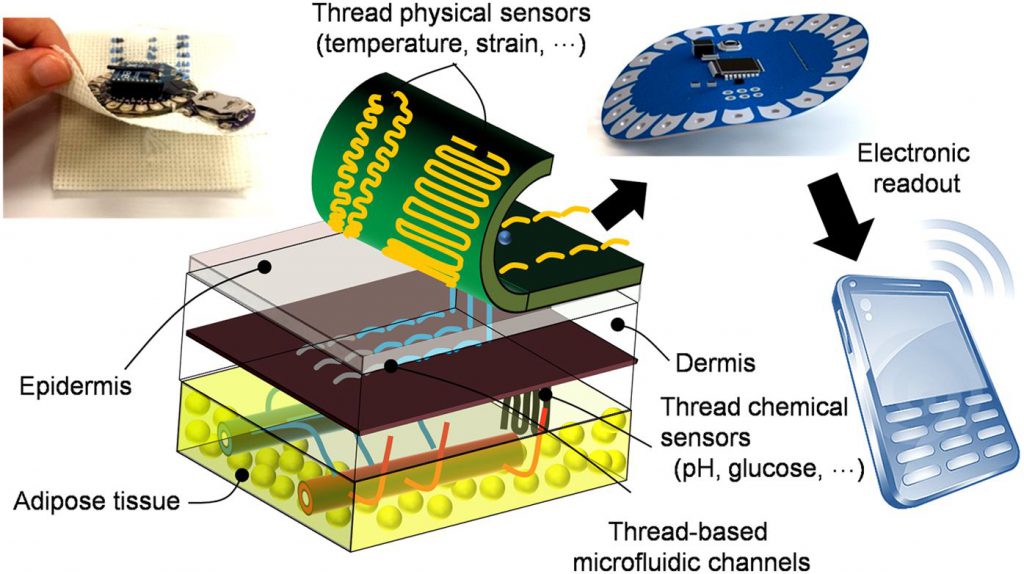
Roadmap of Flexible Electrodes for Next-Generation Wearable Electronics

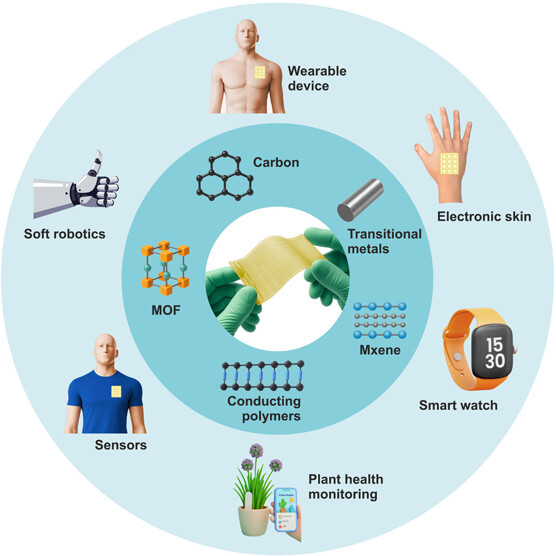
With the rapid growth of smart innovations, flexible electronics recognized for their lightweight, tremendous flexibility, and extraordinary scalability are growing more integrated into our daily life. Flexible electronics, known for their lightweight, high flexibility, and seamless integration with biological and nonbiological systems, are driving advances in wearable and implantable devices. Central to this progress are …

Roadmap of Flexible Electrodes for Next-Generation Wearable Electronics Read More »
Improving Ni(OH)2 electrocatalysis with graphene quantum dots

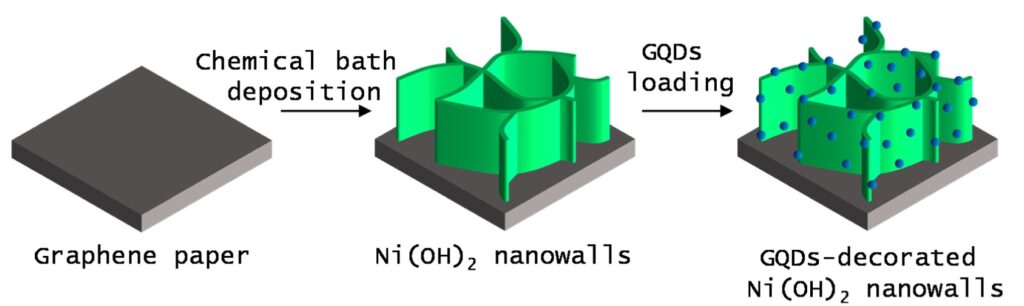
Water splitting is a critical process for sustainable energy transition, involving the electrolysis of water into its constituent elements, hydrogen and oxygen. In this study, we demonstrate the superior electrocatalytic activity of graphene quantum dots (GQDs)-decorated nickel hydroxide (Ni(OH)2) nanostructures for the oxygen evolution reaction (OER) in alkaline media. Ni(OH)2 nanowalls are synthesized on graphene …

Improving Ni(OH)2 electrocatalysis with graphene quantum dots Read More »
Single atom engineered materials for sensors

The pursuit of high-performance sensors necessitates the exploration of new materials to realize this potential. Single atom engineering (SAE) is used to plant individual atoms into the appropriate surrounding of (nano)materials in order to confer distinct materials properties. Hence, the nano architectonics principle utilized for single atom engineering allows us to build highly specific, selective, …

Single atom engineered materials for sensors Read More »
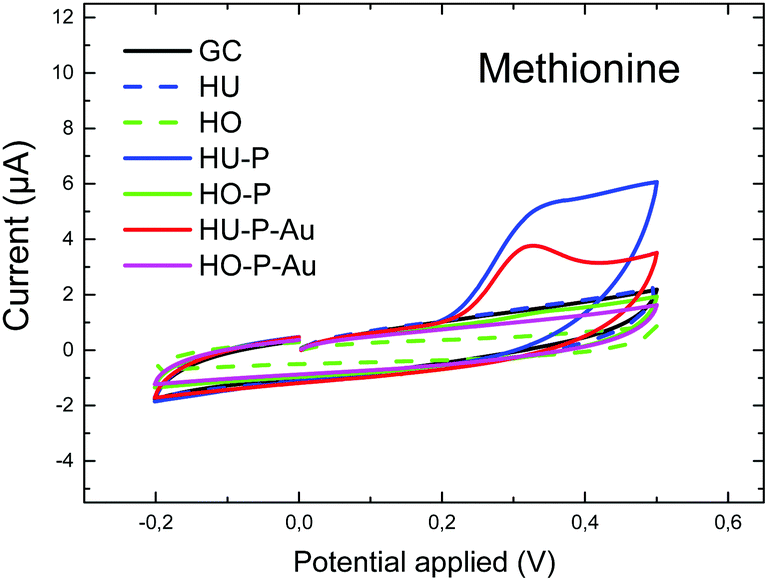
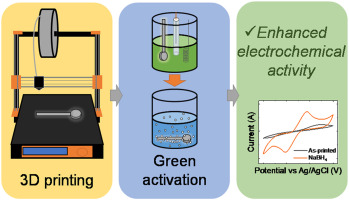
Green activation using reducing agents of carbon-based 3D printed electrodes: Turning good electrodes to great

3D printing of carbon-based nanocomposites, which combine the electrical properties of carbon additives with the benefits of thermoplastics, has emerged as a promising route towards rapid and low-cost manufacturing of customised-shaped electronic devices with minimised waste. However, their poor electrical activity in their pristine state makes activation post-treatments mandatory to reduce the amount of insulating …

Green activation using reducing agents of carbon-based 3D printed electrodes: Turning good electrodes to great Read More »
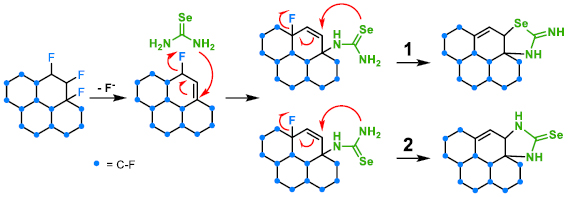
Selenium covalently modified graphene: towards gas sensing

The research in the area of graphene derivatives containing chalcogen elements is currently an exclusive domain of oxygen- and sulfur-containing functional groups. Here we report an effective introduction of selenium-based organic functional groups and propose a mechanism of their attachment to graphene and graphene-related materials. Fluorographene can be effectively functionalized by selenium-containing group, forming C-Se …

Selenium covalently modified graphene: towards gas sensing Read More »

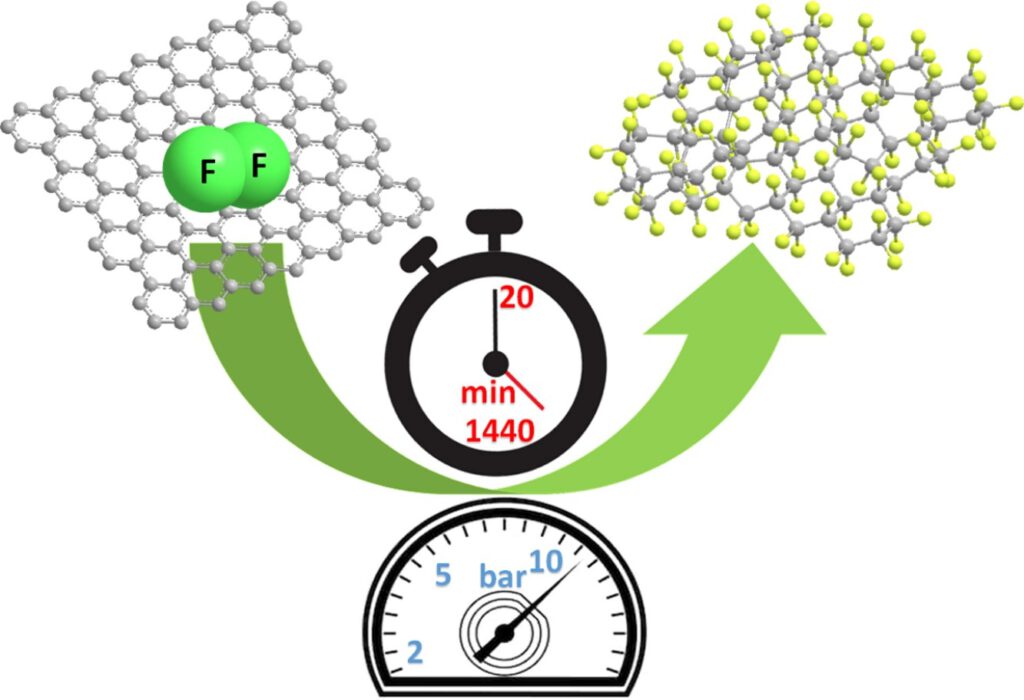
Fluorine saturation on thermally reduced graphene

Fluorographene is a wide band-gap insulator with high photoluminescence and hydrophobicity. In the past, fluorographene was considered to be chemically inert similarly to Teflon. However, it has been recently reported that fluorographene can undergo several chemical modifications such as nucleophilic or radical substitutions. Fluorinated graphene is typically prepared by top-down synthesis based on sonochemical exfoliation …

Fluorine saturation on thermally reduced graphene Read More »
The capacitance and electron transfer of 3D-printed graphene electrodes are dramatically influenced by the type of solvent used for pre-treatment

3D-printing (or additive manufacturing) is presently an emerging technology that promises to reshape traditional manufacturing processes. The electrochemistry field can certainly take advantage of this fabrication tool for sensing and energy-related applications. Polymer/graphene filaments commonly used for the fabrication of 3D-printed electrodes show poor electrochemistry in the native state, requiring post-fabrication activation procedures. In the …

The capacitance and electron transfer of 3D-printed graphene electrodes are dramatically influenced by the type of solvent used for pre-treatment Read More »
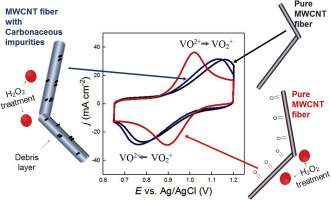
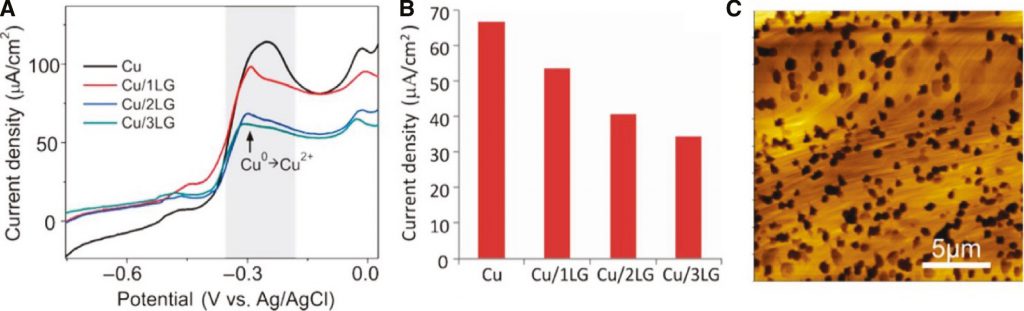
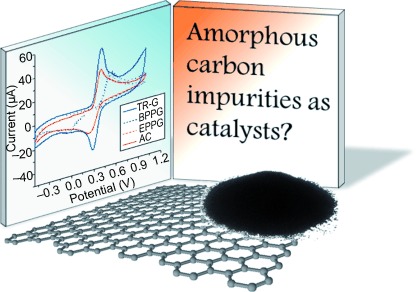
Two-Dimensional Materials on the Rocks: Positive and Negative Role of Dopants and Impurities in Electrochemistry

Two-dimensional (2D) materials, such as graphene and transition-metal chalcogenides, were shown in many works as very potent catalysts for industrially important electrochemical reactions, such as oxygen reduction, hydrogen and oxygen evolution, and carbon dioxide reduction. We critically discuss here the development in the field, showing that not only dopants but also impurities can have dramatic …

Two-Dimensional Materials on the Rocks: Positive and Negative Role of Dopants and Impurities in Electrochemistry Read More »
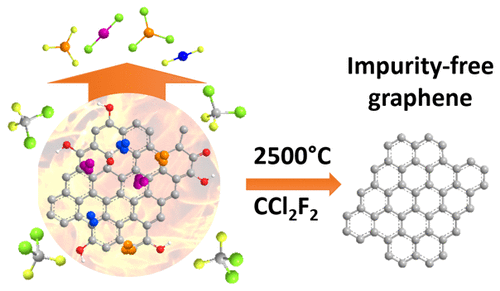
Ultrapure Graphene Is a Poor Electrocatalyst: Definitive Proof of the Key Role of Metallic Impurities in Graphene-Based Electrocatalysis

Graphene and its derivatives have been reported in many articles as “metal-free” carbon electrocatalytic materials. Its synthesis procedures are generally based on the chemical oxidation of graphite and subsequent thermal or chemical reduction. Because graphene oxide has a large surface area and typically contains a variety of oxygen functionalities, metallic ions (impurities) from reaction mixtures …

Ultrapure Graphene Is a Poor Electrocatalyst: Definitive Proof of the Key Role of Metallic Impurities in Graphene-Based Electrocatalysis Read More »

Fluorographene and Graphane as an Excellent Platform for Enzyme Biocatalysis

The application of enzymes is a crucial issue for current biotechnological application in pharmaceutical, as well as food and cosmetic industry. Effective platforms for enzyme immobilization are necessary for their industrial use in various biosynthesis procedures. Such platforms must provide high yield of immobilization and retain high activity at various conditions for their large-scale applications. …

Fluorographene and Graphane as an Excellent Platform for Enzyme Biocatalysis Read More »

Monoelemental 2D materials-based field effect transistors for sensing and biosensing: Phosphorene, antimonene, arsenene, silicene, and germanene go beyond graphene

Graphene has been of immense interest for its interesting electronic properties, such as being a zeroband gap semiconductor. However, to be able to usefully employ graphene for electronics and electronic-transduction system sensors and biosensors, one needs to open this band gap. This proofs to be challenging on reproducible, scalable way. There are other 2D monoelemental …

Monoelemental 2D materials-based field effect transistors for sensing and biosensing: Phosphorene, antimonene, arsenene, silicene, and germanene go beyond graphene Read More »
Hydrogenation of Fluorographite and Fluorographene: An Easy Way to Produce Highly Hydrogenated Graphene

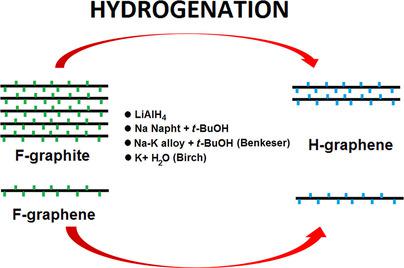
Fluorographene is an excellent precursor for the synthesis of graphene derivatives. Relative to pure graphene, fluorographene possesses higher reactivity and, in comparison with graphene oxide, is also homogenous in composition, which enables the preparation of well-defined materials. Recently, it has been shown that several graphene derivatives can be synthesized from fluorographene, thus yielding various products …

Hydrogenation of Fluorographite and Fluorographene: An Easy Way to Produce Highly Hydrogenated Graphene Read More »

Morphology-Dependent Magnetism in Nanographene: Beyond Nanoribbons

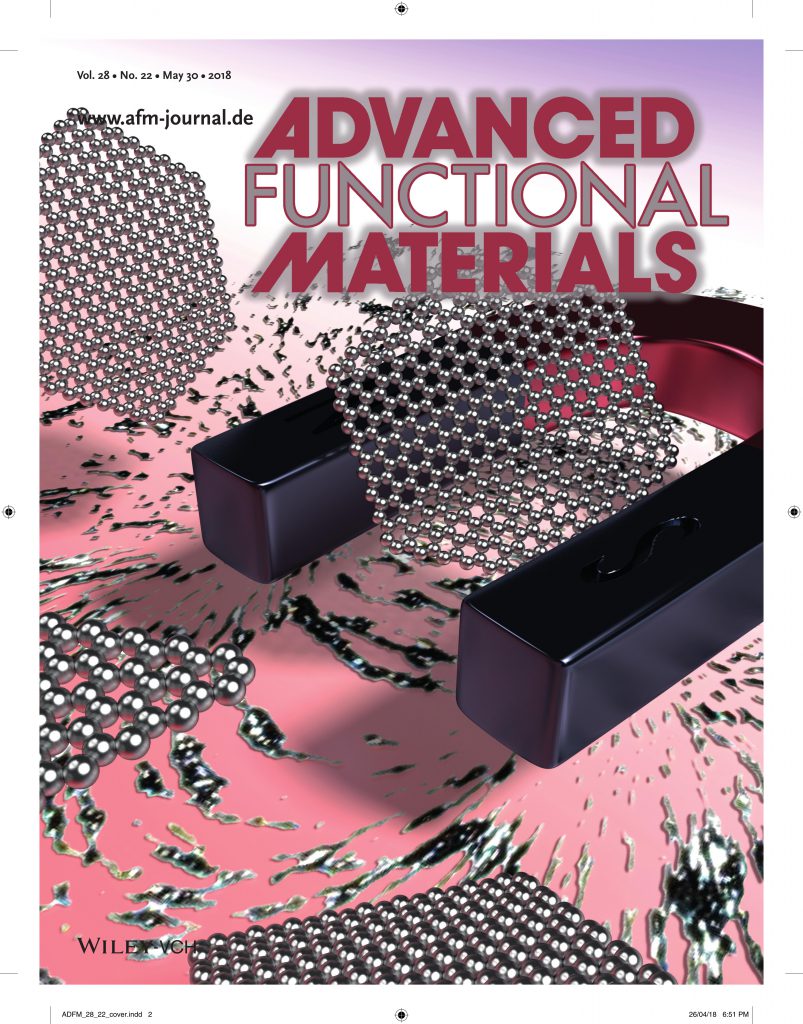
Imprinting self-sustainable magnetic features into graphene has recently generated much interest owing to its potential application in spintronics. Several strategies for imprinting magnetic features into graphene are proposed theoretically. However, only a few of them are realized experimentally. Here, the first scalable synthesis of magnetic graphene nanoplatelets with diverse morphologies, including nanoribbons and triangular, pentagonal, …

Morphology-Dependent Magnetism in Nanographene: Beyond Nanoribbons Read More »
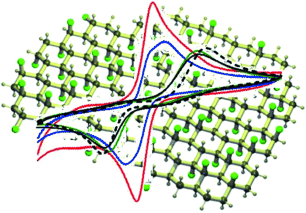
Chemistry of Graphene Derivatives: Synthesis, Applications, and Perspectives

The chemistry of graphene and its derivatives is one of the hottest topics of current material science research. The derivatisation of graphene is based on various approaches, and to date functionalization with halogens, hydrogen, various functional groups containing oxygen, sulfur, nitrogen, phosphorus, boron, and several other elements have been reported. Most of these functionalizations are …

Chemistry of Graphene Derivatives: Synthesis, Applications, and Perspectives Read More »
One-Step Synthesis of B/N Co-doped Graphene as Highly Efficient Electrocatalyst for the Oxygen Reduction Reaction: Synergistic Effect of Impurities

In the last decade, numerous studies of graphene doping by various metal and nonmetal elements have been done in order to obtain tailored properties, such as non-zero band gap, electrocatalytic activity, or controlled optical properties. From nonmetal elements, boron and nitrogen were the most studied dopants. Recently, it has been shown that in some cases …

One-Step Synthesis of B/N Co-doped Graphene as Highly Efficient Electrocatalyst for the Oxygen Reduction Reaction: Synergistic Effect of Impurities Read More »
Introduction of sulfur to graphene oxide by Friedel-Crafts reaction

Chemically modified graphene oxides have been intensively studied in the last decade. The introduction of heteroatoms is usually not well controlled and several different functionalities are formed. In this paper we introduced dithiocarboxylic acid on the graphene oxide by its reaction with carbon disulfide as a solvent and reagent and aluminum chloride as Friedel-Crafts catalyst. …

Introduction of sulfur to graphene oxide by Friedel-Crafts reaction Read More »
Planar Polyolefin Nanostripes: Perhydrogenated Graphene

Graphene hydrogenation gives an opportunity to introduce a band gap into the graphene electronic structure. Complete hydrogenation may lead to the graphane, a fully hydrogenated counterpart of graphene. However, pure graphane has not been successfully prepared to this day. Here, we show that hydrogenation of single-walled carbon nanotubes by means of Birch reduction leads to …

Planar Polyolefin Nanostripes: Perhydrogenated Graphene Read More »
Thin, High-Flux, Self-Standing, Graphene Oxide Membranes for Efficient Hydrogen Separation from Gas Mixtures

The preparation and gas-separation performance of self-standing, high-flux, graphene oxide (GO) membranes is reported. Defect-free, 15-20 mm thick, mechanically stable, unsupported GO membranes exhibited outstanding gas-separation performance towards H-2/CO2 that far exceeded the corresponding 2008 Robeson upper bound. Remarkable separation efficiency of GO membranes for H-2 and bulky C-3 or C-4 hydrocarbons was achieved with …

Thin, High-Flux, Self-Standing, Graphene Oxide Membranes for Efficient Hydrogen Separation from Gas Mixtures Read More »
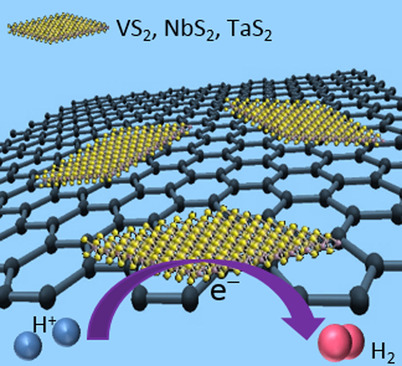
Graphene/Group 5 Transition Metal Dichalcogenide Composites for Electrochemical Applications

In comparison to the extensive research and great success attained by Group 6 transition metal dichalcogenides (TMDs) as hydrogen evolution reaction (HER) electrocatalysts, there is limited research focused on metallic Group 5 TMDs for use as electrocatalysts for hydrogen evolution. Density functional theory calculations have pointed out that Group 5 TMDs are highly favorable for …

Graphene/Group 5 Transition Metal Dichalcogenide Composites for Electrochemical Applications Read More »
Selective Bromination of Graphene Oxide by the Hunsdiecker Reaction

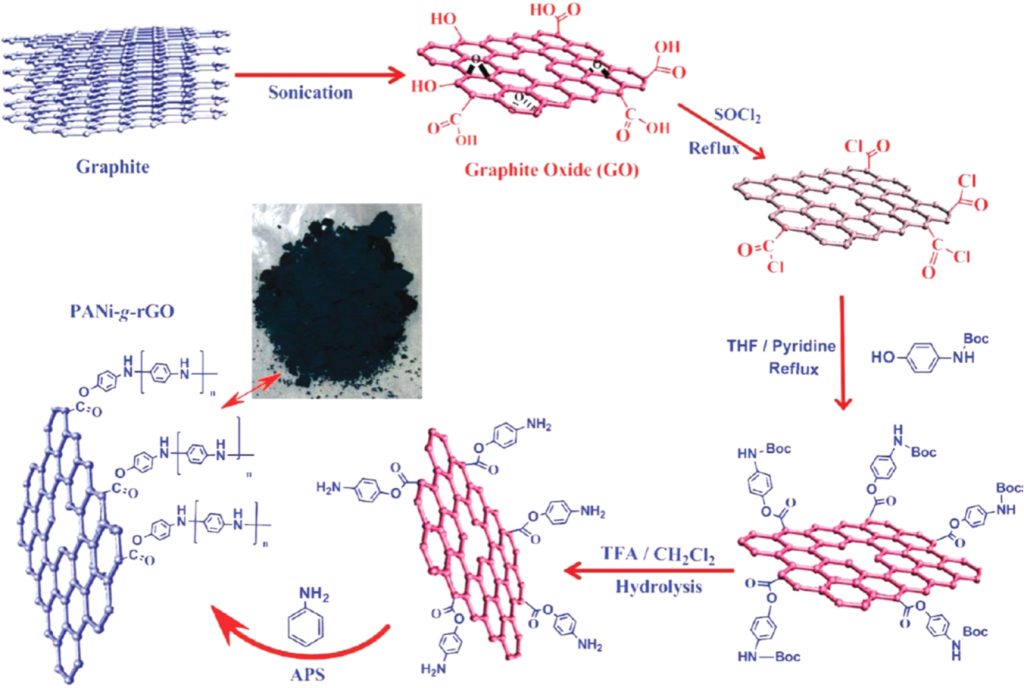
Halogenated graphenes have been attracting great attention in the recent years. The currently used methods are usually non-specific, and halogen groups are randomly distributed over the graphene. Here we demonstrate a selective graphene functionalization based on a well known reaction mechanism-Hunsdiecker reaction-applied on selective bromination of graphene oxide. The chemical analysis using various spectroscopic methods …

Selective Bromination of Graphene Oxide by the Hunsdiecker Reaction Read More »

Concentration of Nitric Acid Strongly Influences Chemical Composition of Graphite Oxide

Graphite oxide is the most widely used precursor for the synthesis of graphene through top-down methods. We demonstrate a significant influence of nitric acid concentration on the structure and composition of the graphite oxide prepared by graphite oxidation. In general, two main chlorate-based oxidation methods are currently used for graphite oxide synthesis: the Staudenmaier method …

Concentration of Nitric Acid Strongly Influences Chemical Composition of Graphite Oxide Read More »
Fluorographene Modified by Grignard Reagents: A Broad Range of Functional Nanomaterials

Fluorographene is the youngest stoichiometric derivative of graphene; hence, its reactivity is only poorly explored. Compared to graphene, the significantly higher reactivity of C-F bonds makes this material a suitable platform for a large number of chemical modifications. Fluorographene is also the only member of the halographene family that can be prepared in the stoichiometric …

Fluorographene Modified by Grignard Reagents: A Broad Range of Functional Nanomaterials Read More »
Synthesis of Carboxylated-Graphenes by the Kolbe-Schmitt Process

Graphene oxide is an oxidized form of graphene containing a large variety of oxygen groups. Although past models have suggested carboxylic acids to be present in significant amounts, recent evidence has shown otherwise. Toward the production of carboxyl-graphene, a synthetic method is presented herein based on the Kolbe- Schmitt process. A modified procedure of heating …

Synthesis of Carboxylated-Graphenes by the Kolbe-Schmitt Process Read More »
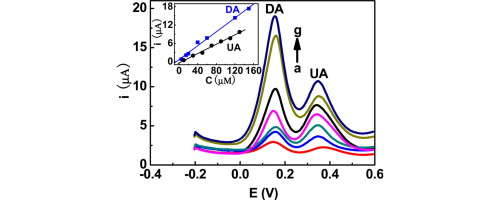
Boron and Nitrogen Doped Graphene via Microwave Exfoliation for Simultaneous Electrochemical Detection of Ascorbic Acid, Dopamine and Uric Acid

Boron and nitrogen doped graphenes show opposite effect on the electronic structure, one with electron withdrawing and another one with electron donating effects. It is of high importance to investigate the influence of B or N doping on biomarkers detection and compare it to non-doped graphene. Here we show that B-doped graphene shows significant enhancement …

Boron and Nitrogen Doped Graphene via Microwave Exfoliation for Simultaneous Electrochemical Detection of Ascorbic Acid, Dopamine and Uric Acid Read More »
Simple Synthesis of Fluorinated Graphene: Thermal Exfoliation of Fluorographite

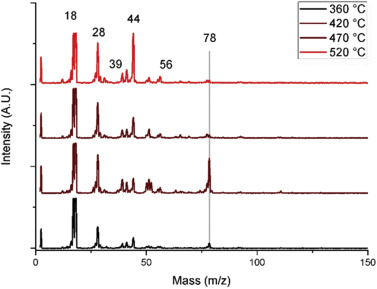
Fluorinated graphene can be prepared directly by thermal exfoliation of fluorographite. The exfoliation was performed in a dynamic nitrogen atmosphere at various temperatures and the exfoliation products were analysed in detail by GC-MS. The structure and properties of all prepared fluorinated graphenes with various contents of fluorine were characterized by a number of analytical techniques. …

Simple Synthesis of Fluorinated Graphene: Thermal Exfoliation of Fluorographite Read More »
Electrochemical catalysis at low dimensional carbons: Graphene, carbon nanotubes and beyond – A review

Nanocarbons, such as graphene, carbon nanotubes and other carbon nanomaterials show very interesting and useful electrochemical and electrocatalytic properties. These can be harnessed in various applications, from sensing and biosensing devices to energy storage and generation devices, such as supercapacitors, batteries or catalysts in the fuel cells. Here we review progress made towards understanding the …

Electrochemical catalysis at low dimensional carbons: Graphene, carbon nanotubes and beyond – A review Read More »

Phosphorus and Halogen Co-Doped Graphene Materials and their Electrochemistry

Doping of graphene materials with heteroatoms is important as it can change their electronic and electrochemical properties. Here, graphene is co-doped with n-type dopants such as phosphorus and halogen (Cl, Br, I). Phosphorus and halogen are introduced through the treatment of graphene oxide with PX3 gas (PCl3, PBr3, and PI3). Graphene oxides are prepared through …

Phosphorus and Halogen Co-Doped Graphene Materials and their Electrochemistry Read More »
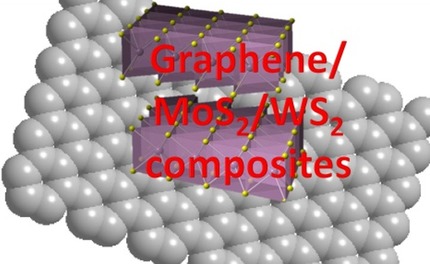
MoS2/WS2-Graphene Composites through Thermal Decomposition of Tetrathiomolybdate/Tetrathiotungstate for Proton/Oxygen Electroreduction

MoS2 and WS2 have been prepared on a conductive graphene support by thermal reduction of tetrathiotungstate/tetrathiomolybdate and graphite oxide. Whereas the catalytic properties towards hydrogen evolution are strongly influenced by the Magneli phases formed as a byproduct during the synthesis, the catalytic activity towards oxygen reduction of these composite materials is not affected by this …

MoS2/WS2-Graphene Composites through Thermal Decomposition of Tetrathiomolybdate/Tetrathiotungstate for Proton/Oxygen Electroreduction Read More »

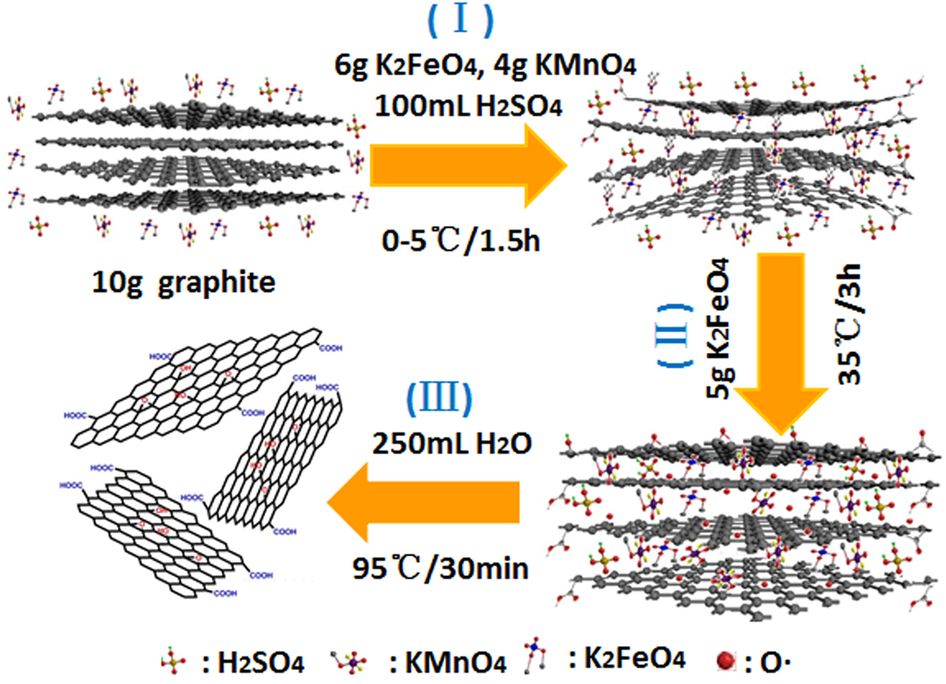
Synthesis of Graphene Oxide by Oxidation of Graphite with Ferrate(VI) Compounds: Myth or Reality?

It is well established that graphene oxide can be prepared by the oxidation of graphite using permanganate or chlorate in an acidic environment. Recently, however, the synthesis of graphene oxide using potassium ferrate(VI) ions has been reported. Herein, we critically replicate and evaluate this new ferrate(VI) oxidation method. In addition, we test the use of …

Synthesis of Graphene Oxide by Oxidation of Graphite with Ferrate(VI) Compounds: Myth or Reality? Read More »

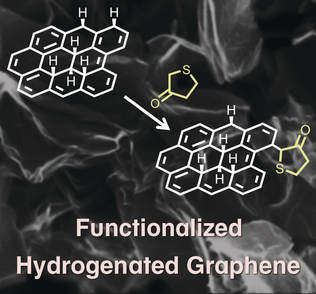
Functionalization of Hydrogenated Graphene: Transition-Metal-Catalyzed Cross-Coupling Reactions of Allylic C-HBonds

The chemical functionalization of hydrogenated graphene can modify its physical properties and lead to better processability. Herein, we describe the chemical functionalization of hydrogenated graphene through a dehydrogenative cross-coupling reaction between an allylic C-H bond and the -C-H bond of tetrahydrothiophen-3-one using Cu(OTf)(2) as the catalyst and DDQ as the oxidant. The chemical functionalization was …

Functionalization of Hydrogenated Graphene: Transition-Metal-Catalyzed Cross-Coupling Reactions of Allylic C-HBonds Read More »

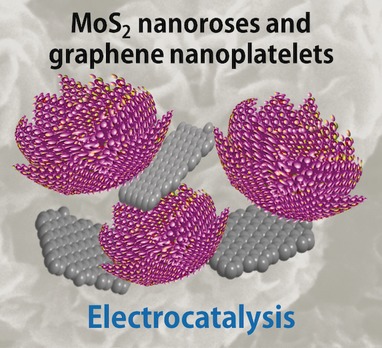
Nanostructured MoS2 Nanorose/Graphene Nanoplatelet Hybrids for Electrocatalysis

Tailoring and enhancing electrocatalytic activity is of the utmost importance from the viewpoints of sustainable energy and sensing. MoS2 and graphene show great promise for the electrocatalysis of many reactions. Given that both graphene and MoS2 are highly anisotropic in nature, with edge planes that are several orders of magnitude more catalytically active than basal …

Nanostructured MoS2 Nanorose/Graphene Nanoplatelet Hybrids for Electrocatalysis Read More »

Graphene-Amorphous Transition-Metal Chalcogenide (MoSx, WSx) Composites as Highly Efficient Hybrid Electrocatalysts for the Hydrogen Evolution Reaction

Layered transition-metal dichalcogenides (TMDs) show promising electrocatalytic properties towards the hydrogen evolution reaction (HER). A series of graphene-amorphous TMD composites were prepared under hydrothermal conditions. Materials with varying contents of MoSx and WSx were synthesized from ammonium tetrathiomolybdate and ammonium tetrathiotungstate precursors in the presence of graphene oxide and diethylene glycol as a reducing agent. …

Graphene-Amorphous Transition-Metal Chalcogenide (MoSx, WSx) Composites as Highly Efficient Hybrid Electrocatalysts for the Hydrogen Evolution Reaction Read More »

Electrochemically Exfoliated Graphene and Graphene Oxide for Energy Storage and Electrochemistry Applications

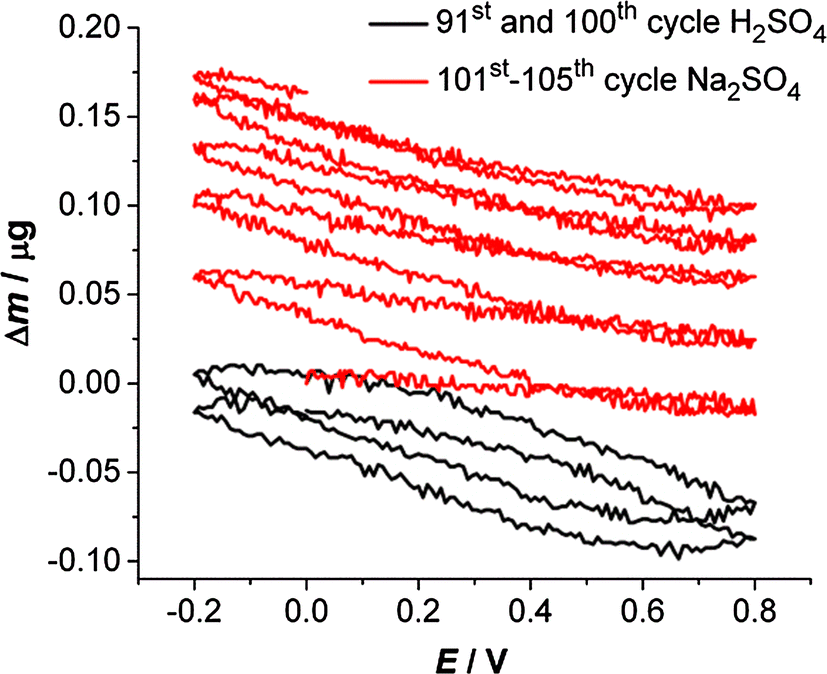
Top-down methods are of key importance for large-scale graphene and graphene oxide preparation. Electrochemical exfoliation of graphite has lately gained much interest because of the simplicity of execution, the short process time, and the good quality of graphene that can be obtained. Here, we test three different electrolytes, that is, H2SO4, Na2SO4, and LiClO4, with …

Electrochemically Exfoliated Graphene and Graphene Oxide for Energy Storage and Electrochemistry Applications Read More »

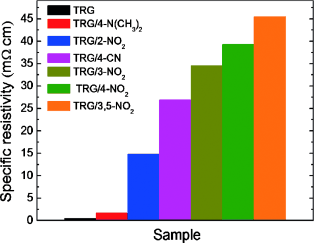
Mesomeric Effects of Graphene Modified with Diazonium Salts: Substituent Type and Position Influence its Properties

In the last decade, graphene and graphene derivatives have become some of the most intensively studied materials. Tuning of the electronic and electrochemical properties of graphene is of paramount importance. In this study, six diazonium-modified graphenes containing different functional groups according to the diazonium salt precursor were investigated. These diazonium moieties have a strong mesomeric …

Mesomeric Effects of Graphene Modified with Diazonium Salts: Substituent Type and Position Influence its Properties Read More »

Hydrogenated Graphenes by Birch Reduction: Influence of Electron and Proton Sources on Hydrogenation Efficiency, Magnetism, and Electrochemistry

Interest in chemical functionalisation of graphenes today is largely driven by associated changes to its physical and material properties. Functionalisation with hydrogen was employed to obtain hydrogenated graphenes (also termed graphane if fully hydrogenated), which exhibited properties including fluorescence, magnetism and a tuneable band gap. Although the classical Birch reduction has been employed for hydrogenation …

Hydrogenated Graphenes by Birch Reduction: Influence of Electron and Proton Sources on Hydrogenation Efficiency, Magnetism, and Electrochemistry Read More »

Electrochemical Fluorographane: Hybrid Electrocatalysis of Biomarkers, Hydrogen Evolution, and Oxygen Reduction

Fluorographane (C1HxF1-x+)(n) is a new member of the graphene family that exhibits hydrophobicity and a large band gap that is tunable based on the level of fluorination. Herein, sensing and energy applications of fluorographane are reported. The results reveal that the carbon-to-fluoride ratio of fluorographane has a great impact on the electrochemical performance of the …

Electrochemical Fluorographane: Hybrid Electrocatalysis of Biomarkers, Hydrogen Evolution, and Oxygen Reduction Read More »

Intrinsic electrochemical performance and precise control of surface porosity of graphene-modified electrodes using the drop-casting technique

Graphenes have for a long time been shown to exhibit enhanced electrochemical sensing and fast heterogeneous electron transfers, but the nature of such improved electrochemistry is disputed due to its inherent porosity. Adsorption and thin layer effects may additionally contribute to the observed behaviour. Furthermore, overall extents of the impact from these factors are typically …

Intrinsic electrochemical performance and precise control of surface porosity of graphene-modified electrodes using the drop-casting technique Read More »

Definitive Insight into the Graphite Oxide Reduction Mechanism by Deuterium Labeling

The reduction of graphite oxide is one of the most important reactions in the production of graphene in gram quantities. The mechanisms of these widely used reactions are poorly understood. The mechanism of the chemical reduction of two different graphite oxides prepared by the chlorate (Hofmann method) and permanganate methods (Hummers method) has been investigated. …

Definitive Insight into the Graphite Oxide Reduction Mechanism by Deuterium Labeling Read More »

Carbocatalysis: The State of “Metal-Free” Catalysis

The rise in global demand for crucial chemical compounds has driven immense research in the fundamental science of catalysis. Graphene and its derivatives (chemically modified graphene, CMGs) have recently emerged as a new class of heterogeneous catalyst that promises economically viable and greener routes to these compounds. Although CMGs possess unique catalytic properties, the actual …

Carbocatalysis: The State of “Metal-Free” Catalysis Read More »

Dichlorocarbene-Functionalized Fluorographene: Synthesis and Reaction Mechanism

Halogen functionalization of graphene is an important branch of graphene research as it provides opportunities to tailor the band gap and catalytic properties of graphene. Monovalent C-X bond obviates pitfalls of functionalization with atoms of groups 13, 15, and 16, which can introduce various poorly defined groups. Here, the preparation of functionalized graphene containing both …

Dichlorocarbene-Functionalized Fluorographene: Synthesis and Reaction Mechanism Read More »

Chemically Modified Graphene: The Influence of Structural Properties on the Assessment of Antioxidant Capacity

Graphene materials obtained by different synthetic routes possess dissimilar amount of defects and surface functionalities, which can influence their electrochemical performance towards the detection of electroactive probes. Oxygen-containing groups can be either detrimental to the heterogeneous charge transfer or promote favorable interactions between the graphene surface and the analyte of interest, depending on the structure …

Chemically Modified Graphene: The Influence of Structural Properties on the Assessment of Antioxidant Capacity Read More »

Iridium- and Osmium-decorated Reduced Graphenes as Promising Catalysts for Hydrogen Evolution

Renewable energy sources are highly sought after as a result of numerous worldwide problems concerning the environment and the shortage of energy. Currently, the focus in the field is on the development of catalysts that are able to provide water splitting catalysis and energy storage for the hydrogen evolution reaction (HER). While platinum is an …

Iridium- and Osmium-decorated Reduced Graphenes as Promising Catalysts for Hydrogen Evolution Read More »

Geographical and Geological Origin of Natural Graphite Heavily Influence the Electrical and Electrochemical Properties of Chemically Modified Graphenes

Natural graphite is an important precursor for the production of chemically modified graphenes in bulk quantities for electrochemical applications. These natural graphites have varying fundamental properties due to the different geological processes and environments at their points of origin, which are expected to affect their chemical reactivity and hence the properties of the derived graphene …

Geographical and Geological Origin of Natural Graphite Heavily Influence the Electrical and Electrochemical Properties of Chemically Modified Graphenes Read More »

Hydroboration of Graphene Oxide: Towards Stoichiometric Graphol and Hydroxygraphane

Covalently functionalized graphene materials with well-defined stoichiometric composition are of a very high importance in the research of 2D carbon material family due to their well-defined properties. Unfortunately, most of the contemporary graphene-functionalized materials do not have this kind of defined composition and, usually, the amount of heteroatoms bonded to graphene framework is in the …

Hydroboration of Graphene Oxide: Towards Stoichiometric Graphol and Hydroxygraphane Read More »

Selective Nitrogen Functionalization of Graphene by Bucherer-Type Reaction

Nitrogen functionalization of graphene offers new hybrid materials with improved performance for important technological applications. Despite studies highlighting the dependence of the performance of nitrogen-functionalized graphene on the types of nitrogen functional groups that are present, precise synthetic control over their ratio is challenging. Herein, the synthesis of nitrogen-functionalized graphene rich in amino groups by …

Selective Nitrogen Functionalization of Graphene by Bucherer-Type Reaction Read More »

The Structural Stability of Graphene Anticorrosion Coating Materials is Compromised at Low Potentials

Corrosion of engineered structures is a major problem causing an estimated economic loss of more than 2trillion US dollars annually worldwide. Graphene has recently emerged as highly promising, low-cost, and transparent anticorrosion coating material. Herein, it is shown that a multilayer graphene film grown on Ni by chemical vapor deposition undergoes abrupt stability failure under …

The Structural Stability of Graphene Anticorrosion Coating Materials is Compromised at Low Potentials Read More »

Insight into the Mechanism of the Thermal Reduction of Graphite Oxide: Deuterium-Labeled Graphite Oxide Is the Key

For the past decade, researchers have been trying to understand the mechanism of the thermal reduction of graphite oxide. Because deuterium is widely used as a marker in various organic reactions, we wondered if deuterium-labeled graphite oxide could be the key to fully understand this mechanism. Graphite oxides were prepared by the Hofmann, Hummers, Staudenmaier, …

Insight into the Mechanism of the Thermal Reduction of Graphite Oxide: Deuterium-Labeled Graphite Oxide Is the Key Read More »

Monothiolation and Reduction of Graphene Oxide via One-Pot Synthesis: Hybrid Catalyst for Oxygen Reduction

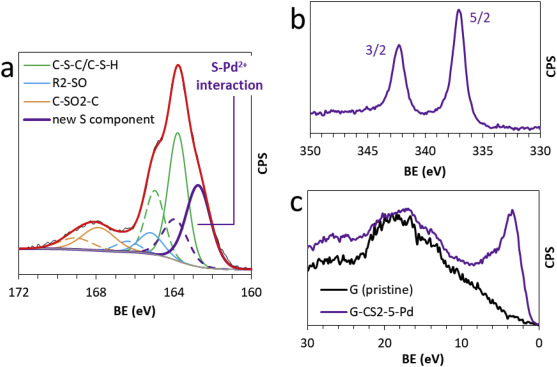
The functionalization of graphene provides diverse possibilities to improve the handling of graphene and enable further chemical transformation on graphene. Graphene functionalized with mainly heteroatom-based functional groups to enhance its chemical and physical properties is intensively pursued but often resulted in grafting of the heteroatoms as various functional groups. Here, we show that graphene oxide …

Monothiolation and Reduction of Graphene Oxide via One-Pot Synthesis: Hybrid Catalyst for Oxygen Reduction Read More »

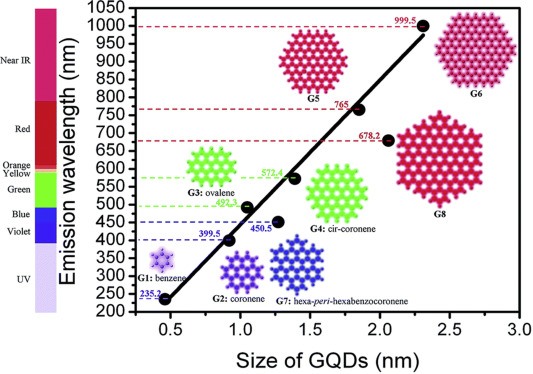
Synthesis of Strongly Fluorescent Graphene Quantum Dots by Cage-Opening Buckminsterfullerene

Graphene quantum dots is a class of graphene nanomaterials with exceptional luminescence properties. Precise dimension control of graphene quantum dots produced by chemical synthesis methods is currently difficult to achieve and usually provides a range of sizes from 3 to 25 nm. In this work, fullerene-C-60 is used as starting Material, due to its well-defined …

Synthesis of Strongly Fluorescent Graphene Quantum Dots by Cage-Opening Buckminsterfullerene Read More »

p-Element-Doped Graphene: Heteroatoms for Electrochemical Enhancement

Graphene is finding important applications in electrochemistry. Here, we discuss how the doping of graphene with heteroatoms, namely boron, nitrogen, phosphorus, sulfur, fluorine, chlorine, bromine, and iodine, change the electrochemical properties of the material. In addition, we summarize the different doping routes and show that the process has an influence upon electrochemical properties.

Chemical Preparation of Graphene Materials Results in Extensive Unintentional Doping with Heteroatoms and Metals

Chemical synthesis of graphene relies on the usage of various chemical reagents. The initial synthesis step, in which graphite is oxidized to graphite oxide, is achieved by a combination of chemical oxidants and acids. A subsequent chemical reduction step eliminates/reduces most oxygen functionalities to yield graphene. We demonstrate here that these chemical treatments significantly contaminate …

Chemical Preparation of Graphene Materials Results in Extensive Unintentional Doping with Heteroatoms and Metals Read More »

Iridium-Catalyst-Based Autonomous Bubble-Propelled Graphene Micromotors with Ultralow Catalyst Loading

A novel concept of an iridium-based bubble-propelled Janus-particle-type graphene micromotor with very high surface area and with very low catalyst loading is described. The low loading of Ir catalyst (0.54at%) allows for fast motion of graphene microparticles with high surface area of 316.2m(2)g(-1). The micromotor was prepared with a simple and scalable method by thermal …

Iridium-Catalyst-Based Autonomous Bubble-Propelled Graphene Micromotors with Ultralow Catalyst Loading Read More »

3D-graphene for electrocatalysis of oxygen reduction reaction: Increasing number of layers increases the catalytic effect

Oxygen reaction reaction (ORR) is of enormous importance for energy storage and generation devices. Graphene offers catalytic properties towards ORR; however, its performance is often hindered by restacking of the graphene sheets. Here we show that mechanically rigid 3D graphene deposited on nickel template can act as efficient catalyst for ORR. We compare electrocatalytic activity …

3D-graphene for electrocatalysis of oxygen reduction reaction: Increasing number of layers increases the catalytic effect Read More »

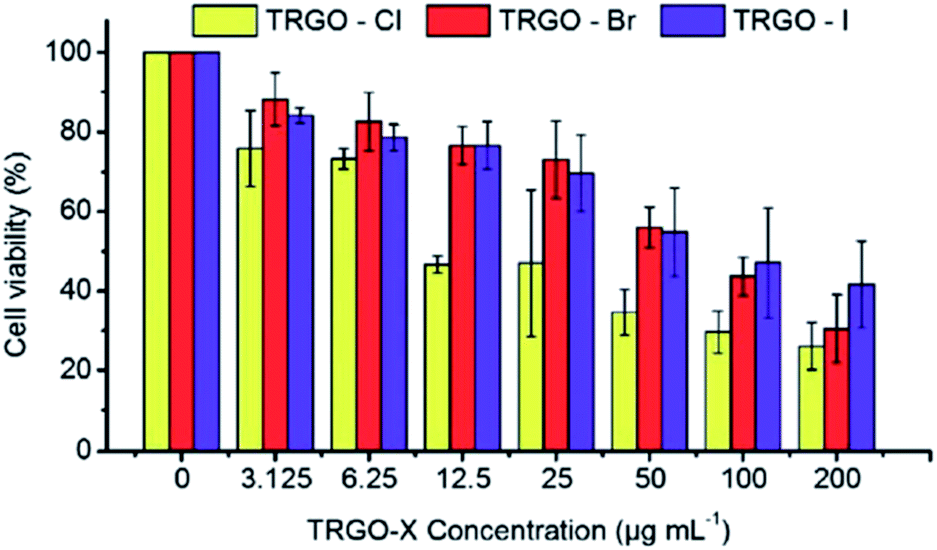
Cytotoxicity of Exfoliated Transition-Metal Dichalcogenides (MoS2, WS2, and WSe2) is Lower Than That of Graphene and its Analogues

Studies involving transition-metal dichalcogenides (TMDs) have been around for many decades and in recent years, many were focused on using TMDs to synthesize inorganic analogues of carbon nanotubes, fullerene, as well as graphene and its derivatives with the ultimate aim of employing these materials into consumer products. In view of this rising trend, we investigated …

Cytotoxicity of Exfoliated Transition-Metal Dichalcogenides (MoS2, WS2, and WSe2) is Lower Than That of Graphene and its Analogues Read More »

Uranium- and Thorium-Doped Graphene for Efficient Oxygen and Hydrogen Peroxide Reduction

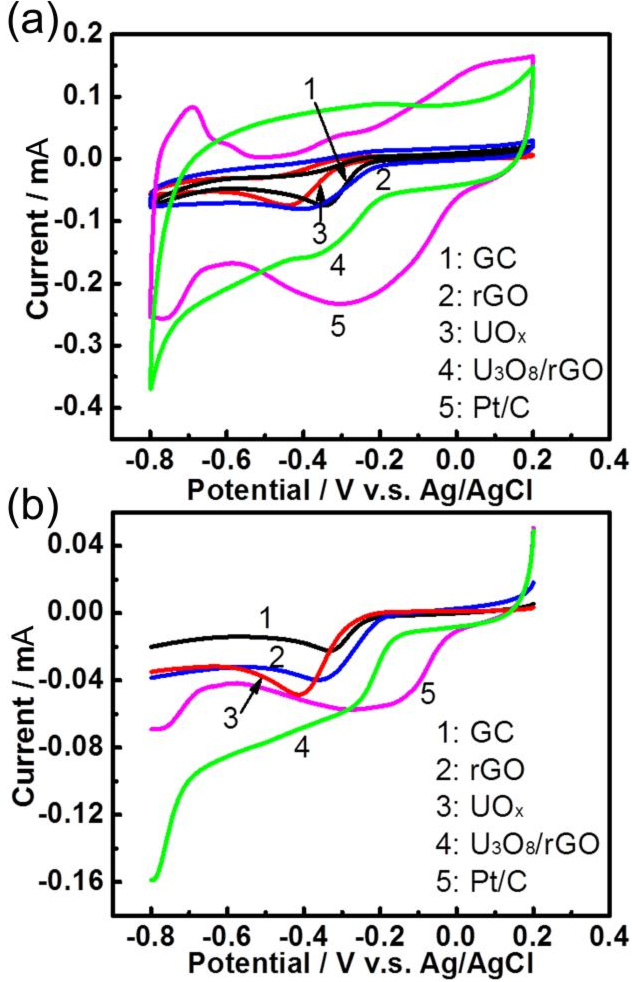
Oxygen reduction and hydrogen peroxide reduction are technologically important reactions in the fields of energy generation and sensing. Metal-doped graphenes, where metal serves as the catalytic center and graphene as the high area conductor, have been used as electrocatalysts for such applications. In this paper, we investigated the use of uranium-graphene and thorium-graphene hybrids prepared …

Uranium- and Thorium-Doped Graphene for Efficient Oxygen and Hydrogen Peroxide Reduction Read More »

Graphene Oxides: Transformations in Natural Waters over a Period of Three Months

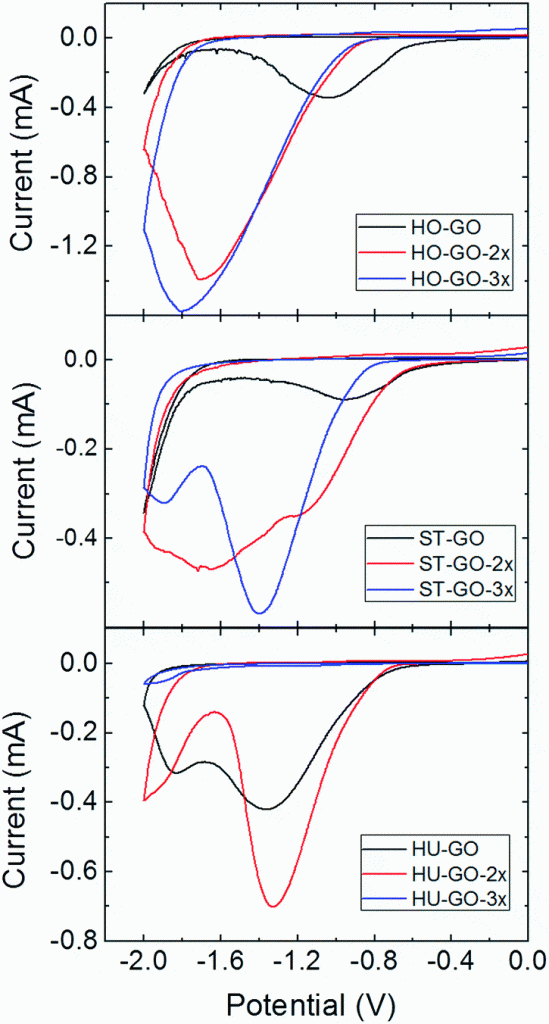
Graphene oxide (GO), a derivative of graphene consisting of various oxygen moieties, has gained popularity owing to its excellent physiochemical properties and applicability in various fields. GO nanomaterials can be synthesized by using Hofmann (HO), Hummers (HU), and Staudenmaier (ST) methods of oxidative treatment of graphite to give GO-HO, GO-HU, and GO-ST, respectively. These GO …

Graphene Oxides: Transformations in Natural Waters over a Period of Three Months Read More »

Fluorographites (CFx)(n) Exhibit Improved Heterogeneous Electron-Transfer Rates with Increasing Level of Fluorination: Towards the Sensing of Biomolecules

Halogenated sp(2) materials are of high interest owing to their important electronic and electrochemical properties. Although methods for graphite and graphene fluorination have been extensively researched, the fundamental electrochemical properties of fluorinated graphite are not well established. In this paper, the electrochemistry of three fluorographite materials of different carbon-to-fluorine ratio were studied: (CF0.33)(n), (CF0.47)(n), and …

Fluorographites (CFx)(n) Exhibit Improved Heterogeneous Electron-Transfer Rates with Increasing Level of Fluorination: Towards the Sensing of Biomolecules Read More »

Concurrent Phosphorus Doping and Reduction of Graphene Oxide

Doped graphene materials are of huge importance because doping with electron-donating or electron-withdrawing groups can significantly change the electronic structure and impact the electronic and electrochemical properties of these materials. It is highly important to be able to produce these materials in large quantities for practical applications. The only method capable of large-scale production is …

Concurrent Phosphorus Doping and Reduction of Graphene Oxide Read More »

Transition Metal-Depleted Graphenes for Electrochemical Applications via Reduction of CO2 by Lithium

Graphene has immense potential for future applications in the electrochemical field, such as in supercapacitors, fuel cells, batteries, or sensors. Graphene materials for such applications are typically fabricated through a top-down approach towards oxidation of graphite to graphite oxide, with consequent exfoliation/reduction to yield reduced graphenes. Such a method allows the manufacture of graphenes in …

Transition Metal-Depleted Graphenes for Electrochemical Applications via Reduction of CO2 by Lithium Read More »

Regeneration of a Conjugated sp(2) Graphene System through Selective Defunctionalization of Epoxides by Using a Proven Synthetic Chemistry Mechanism

Graphene is a promising material capable of driving technological advancement. It is, however, a challenge to obtain pristine graphene in large quantities given the limitation of current synthetic methods. Among the numerous methods available, the chemical approach provides an optimistic outlook and has garnered much interest within the graphene community as a potential alternative. One …

Regeneration of a Conjugated sp(2) Graphene System through Selective Defunctionalization of Epoxides by Using a Proven Synthetic Chemistry Mechanism Read More »

Rational Design of Carboxyl Groups Perpendicularly Attached to a Graphene Sheet: A Platform for Enhanced Biosensing Applications

Graphene oxide (GO)-based materials offer great potential for biofunctionalization with applications ranging from biosensing to drug delivery. Such biofunctionalization utilizes specific functional groups, typically a carboxyl moiety, as anchoring points for biomolecule. However, due to the fact that the exact chemical structure of GO is still largely unknown and poorly defined (it was postulated to …

Rational Design of Carboxyl Groups Perpendicularly Attached to a Graphene Sheet: A Platform for Enhanced Biosensing Applications Read More »

Towards Graphane Applications in Security: The Electrochemical Detection of Trinitrotoluene in Seawater on Hydrogenated Graphene

With greater security and humanitarian concerns, the pressing need to develop fast and sensitive point-of-care explosives detectors has never been more pronounced. Electrochemical detectors facilitate accurate and swift detection of these explosive traces to provide opportunities for preemptive measures. Sensitivity of the electrode material is one of the many important factors in the development of …

Towards Graphane Applications in Security: The Electrochemical Detection of Trinitrotoluene in Seawater on Hydrogenated Graphene Read More »

“Metal-Free” Catalytic Oxygen Reduction Reaction on Heteroatom-Doped Graphene is Caused by Trace Metal Impurities

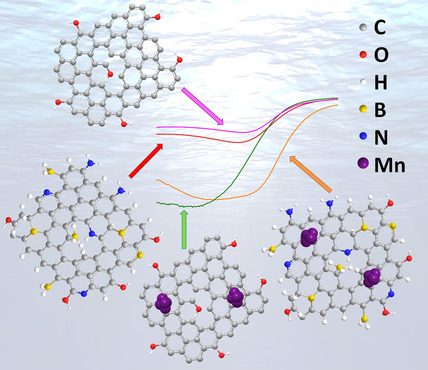
The oxygen reduction reaction (ORR) is of high industrial importance. There is a large body of literature showing that metal-based catalytic nanoparticles (e.g. Co, Mn, Fe or hybrid Mn/Co-based nanoparticles) supported on graphene act as efficient catalysts for the ORR. A significant research effort is also directed to the so-called metal-free oxygen reduction reaction on …

“Metal-Free” Catalytic Oxygen Reduction Reaction on Heteroatom-Doped Graphene is Caused by Trace Metal Impurities Read More »

Graphene platforms for the detection of caffeine in real samples

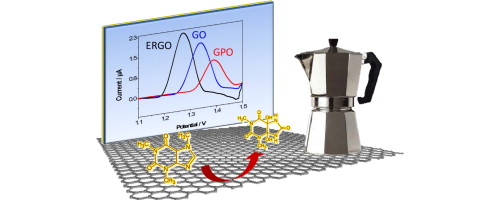
The analysis of food components is of high importance due to food safety and security. Here the electrochemical detection of caffeine was performed on different chemically modified graphene (CMG) surfaces carrying diverse amount of defects and oxygen functionalities. The analytical performances of graphite oxide (GPO), graphene oxide (GO), and electrochemically reduced graphene oxide (ERGO) were …

Graphene platforms for the detection of caffeine in real samples Read More »

Highly Hydrogenated Graphene through Microwave Exfoliation of Graphite Oxide in Hydrogen Plasma: Towards Electrochemical Applications

Hydrogenated graphenes exhibit a variety of properties with potential applications in devices, ranging from a tunable band gap to fluorescence, ferromagnetism, and the storage of hydrogen. We utilize a one-step microwave-irradiation process in hydrogen plasma to create highly hydrogenated graphene from graphite oxides. The procedure serves the dual purposes of deoxygenation and concurrent hydrogenation of …

Highly Hydrogenated Graphene through Microwave Exfoliation of Graphite Oxide in Hydrogen Plasma: Towards Electrochemical Applications Read More »

Electrochemistry of graphene, graphene oxide and other graphenoids: Review

The electrochemical behaviors of single-, few- and multi-layer graphene, graphene oxides, reduced graphene oxides, CVD graphene and three-dimensional graphene are discussed and critically evaluated, providing an up-to-date summary on the progress of the field. (C) 2013 Elsevier B.V. All rights reserved.

Carcinogenic Organic Residual Compounds Readsorbed on Thermally Reduced Graphene Materials are Released at Low Temperature

The preliminary oxidation of graphite to graphite oxide followed by a thermal exfoliation is one of the methods most frequently employed in the preparation of graphene. Such thermally reduced graphene can be widely used for several applications that range from coatings to sensing device fabrication. It is therefore important to investigate in detail the fabrication …

Carcinogenic Organic Residual Compounds Readsorbed on Thermally Reduced Graphene Materials are Released at Low Temperature Read More »

Unusual Inherent Electrochemistry of Graphene Oxides Prepared Using Permanganate Oxidants

Graphene and graphene oxides are materials of significant interest in electrochemical devices such as supercapacitors, batteries, fuel cells, and sensors. Graphene oxides and reduced graphenes are typically prepared by oxidizing graphite in strong mineral acid mixtures with chlorate (Staudenmaier, Hofmann) or permanganate (Hummers, Tour) oxidants. Herein, we reveal that graphene oxides pose inherent electrochemistry, that …

Unusual Inherent Electrochemistry of Graphene Oxides Prepared Using Permanganate Oxidants Read More »

Sulfur-Doped Graphene via Thermal Exfoliation of Graphite Oxide in H2S, SO2, or CS2 Gas

Doping of graphene with heteroatoms is an effective way to tailor its properties. Here we describe a simple and scalable method of doping graphene lattice with sulfur atoms during the thermal exfoliation process of graphite oxides. The graphite oxides were first prepared by Staudenmaler, Hofmann, and Hummers methods followed by treatments in hydrogen sulfide, sulfur …

Sulfur-Doped Graphene via Thermal Exfoliation of Graphite Oxide in H2S, SO2, or CS2 Gas Read More »

The Toxicity of Graphene Oxides: Dependence on the Oxidative Methods Used

Graphene, a class of two-dimensional carbon nanomaterial, has attracted extensive interest in recent years, with a significant amount of research focusing on graphene oxides (GOs). They have been primed as potential candidates for biomedical applications such as cell labeling and drug delivery, thus the toxicity and behavior of graphene oxides in biological systems are fundamental …

The Toxicity of Graphene Oxides: Dependence on the Oxidative Methods Used Read More »

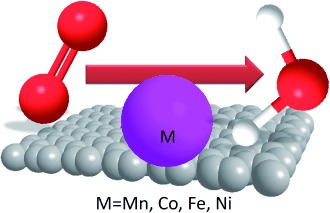
Transition Metal (Mn, Fe, Co, Ni)-Doped Graphene Hybrids for Electrocatalysis

The development of electrocatalysts is crucial for renewable energy applications. Metal-doped graphene hybrid materials have been explored for this purpose, however, with much focus on noble metals, which are limited by their low availability and high costs. Transition metals may serve as promising alternatives. Here, transition metal-doped graphene hybrids were synthesized by a simple and …

Transition Metal (Mn, Fe, Co, Ni)-Doped Graphene Hybrids for Electrocatalysis Read More »

Chemically Modified Graphenes as Detectors in Lab-on-Chip Device

Graphene materials hold immense potentials for electrochemical detectors in lab-on-chip devices. The electronic and electrochemical properties of graphene based materials are significantly affected by the fabrication routes and by the structural features, such as density of defects and amount of oxygen containing groups. Therefore it is paramount to evaluate various graphene-based materials prior to their …

Chemically Modified Graphenes as Detectors in Lab-on-Chip Device Read More »

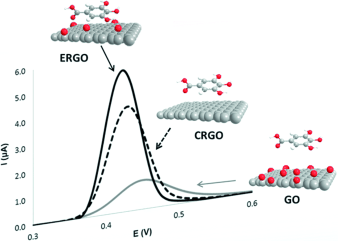
Precise Tuning of Surface Composition and Electron-Transfer Properties of Graphene Oxide Films through Electroreduction

Graphene materials are generally prepared from the exfoliation of graphite oxide (GO) to graphene oxide, followed by subsequent chemical or thermal reduction. These methods, although efficient in removing most of the oxygen functionalities from the GO material, lack control over the extent of the reduction process. We demonstrate here an electrochemical reduction procedure that not …

Precise Tuning of Surface Composition and Electron-Transfer Properties of Graphene Oxide Films through Electroreduction Read More »

Soldering DNA to graphene via 0, 1 and 2-point contacts: Electrochemical impedance spectroscopic investigation

DNA is one of the most programmable molecules available till date and it is immensely important for nanoarchitectonic works. Herein, we investigate the influence of topological constraints of single stranded DNA, which is attached to a graphene sheet, on its ability to hybridize with a complementary strand. These findings are expected to have a profound …

Soldering DNA to graphene via 0, 1 and 2-point contacts: Electrochemical impedance spectroscopic investigation Read More »

Halogenation of Graphene with Chlorine, Bromine, or Iodine by Exfoliation in a Halogen Atmosphere

Nanoarchitectonics on graphene implicates a specific and exact anchoring of molecules or nanoparticles onto the surface of graphene. One such example of an effective anchoring group that is highly reactive is the halogen moiety. Herein we describe a simple and scalable method for the introduction of halogen (chlorine, bromine, and iodine) moieties onto the surface …

Halogenation of Graphene with Chlorine, Bromine, or Iodine by Exfoliation in a Halogen Atmosphere Read More »

Biorecognition on Graphene: Physical, Covalent, and Affinity Immobilization Methods Exhibiting Dramatic Differences

The preparation of biorecognition layers on the surface of a sensing platform is a very crucial step for the development of sensitive and selective biosensors. Different protocols have been used thus far for the immobilization of biomolecules onto various electrode surfaces. In this work, we investigate how the protocol followed for the immobilization of a …

Biorecognition on Graphene: Physical, Covalent, and Affinity Immobilization Methods Exhibiting Dramatic Differences Read More »

Graphenes Prepared by Hummers, Staudenmaier and Hofmann Methods for Analysis of TNT-Based Nitroaromatic Explosives in Seawater

The detection of TNT and related nitroaromatic compounds in seawater is of great interest. Electrochemical techniques can be applied for detection purposes since nitroaromatic compounds contain easily reducible nitro groups. In this study, we investigate the performance of thermally reduced graphenes prepared by three different oxidative methods: Hummers, Staudenmaier and Hofmann methods with consequent thermal …

Graphenes Prepared by Hummers, Staudenmaier and Hofmann Methods for Analysis of TNT-Based Nitroaromatic Explosives in Seawater Read More »

Graphane electrochemistry: Electron transfer at hydrogenated graphenes

Graphane, the hydrogenated derivate of graphene is a highly novel material in the field of two dimensional nanocarbon related research. Preparation of hydrogenated graphene is achieved via a high-pressure/high-temperature (up to 150 bar and 500 degrees C) thermal exfoliation procedure of graphite oxide. We investigated the properties of the materials via voltammetry and electrochemical impedance …

Graphane electrochemistry: Electron transfer at hydrogenated graphenes Read More »

Graphene Sheet Orientation of Parent Material Exhibits Dramatic Influence on Graphene Properties

The production of graphene from various sources has garnered much attention in recent years with the development of methods that range from bottom-up to top-down approaches. The top-down approach often requires thermal treatment to obtain a few-layered and lowly oxygenated graphene sheets. Herein, we demonstrate the production of graphene through oxidation and thermal-reduction/exfoliation of two …

Graphene Sheet Orientation of Parent Material Exhibits Dramatic Influence on Graphene Properties Read More »

Oxidation of DNA bases is influenced by their position in the DNA strand

Electrochemical detection of DNA is an important field of research, with strong implications for next generation diagnostics. In this paper, we show that the electrochemical responses of DNA bases (guanine, adenine, thymine, cytosine) in terms of peak potentials and peak current may be influenced by the sequences of an oligomer at standard glassy carbon (GC), …

Oxidation of DNA bases is influenced by their position in the DNA strand Read More »

Surfactants show both large positive and negative effects on observed electron transfer rates at thermally reduced graphenes

The use of surfactants is ubiquitous in the production of graphene and its analogs as well as their stabilization in solution due to their hydrophobicity causing significant aggregation in aqueous media. Several redox probes ([Fe(CN)(6)](4-/3-), [Ru(NH3)(6)](2+/3+), Fe-aq(2+/3+)) were employed to assess the effect of various surfactants on the electrochemical responses of glassy carbon (GC) as …

Surfactants show both large positive and negative effects on observed electron transfer rates at thermally reduced graphenes Read More »

Comparison of the electroanalytical performance of chemically modified graphenes (CMGs) using uric acid

We compared the differential pulse voltammetric performance of various chemically modified graphenes (CMGs) to those of glassy carbon (GC) and edge plane pyrolytic graphite (EPPG), using a biologically important analyte, uric acid. Analytical parameters of sensitivity, linearity, repeatability and selectivity were considered. Graphite oxide, graphene oxide, chemically reduced graphene oxide, electrochemically reduced graphene oxide and …

Comparison of the electroanalytical performance of chemically modified graphenes (CMGs) using uric acid Read More »

Friedel-Crafts Acylation on Graphene

There is an excitement around graphene as a promising new material for nanotechnological and nanoarchitectonic applications. Despite the low chemical reactivity of graphene, chemical functionalization remains a prominent and viable solution to tailor its chemical, physical, and electronic properties. Herein, we report the covalent functionalization of reduced graphene oxide through FriedelCrafts reactions under mild conditions …

Friedel-Crafts Acylation on Graphene Read More »

On Oxygen-Containing Groups in Chemically Modified Graphenes

Reduced graphenes (belonging to the class of chemically modified graphenes, CMG) are one of the most investigated and utilized materials in current research. Oxygen functionalities on the CMG surfaces have dramatic influences on material properties. Interestingly, these functionalities are rarely comprehensively characterized. Herein, the four most commonly used CMGs, mainly electrochemically reduced graphene oxide (ER-GO), …

On Oxygen-Containing Groups in Chemically Modified Graphenes Read More »

Inherent Electrochemistry and Activation of Chemically Modified Graphenes for Electrochemical Applications

Graphene research is currently at the frontier of electrochemistry. Many different graphene-based materials are employed by electrochemists as electrodes in sensing and in energy-storage devices. Because the methods for their preparation are inherently different, graphene materials are expected to exhibit different electrochemical behaviors depending on the functionalities and density of defects present. Electrochemical treatment of …

Inherent Electrochemistry and Activation of Chemically Modified Graphenes for Electrochemical Applications Read More »

Graphene/carbon nanotube composites not exhibiting synergic effect for supercapacitors: The resulting capacitance being average of capacitance of individual components

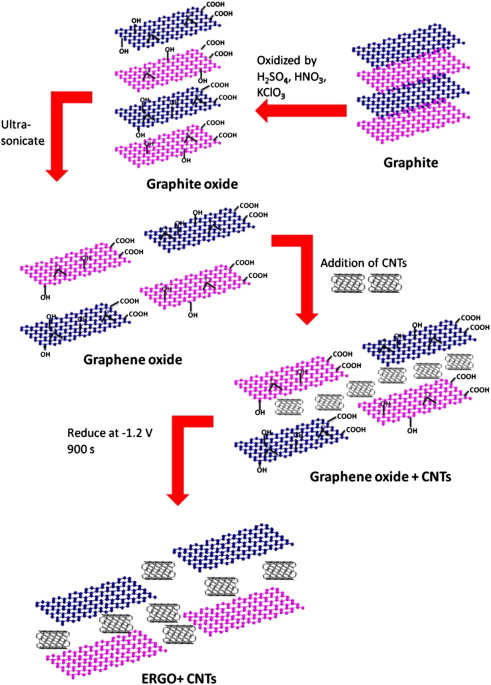
There were many claims of synergic effect of carbon nanotubes and graphene leading to enhanced capacitance of the resulting composite. Here we show that “spacing” of graphene sheets with carbon nanotubes does not yield to any synergic effect of dramatically improved capacitance but in contrary, the resulting capacitance is merely arithmetic average of weight specific …

Graphene/carbon nanotube composites not exhibiting synergic effect for supercapacitors: The resulting capacitance being average of capacitance of individual components Read More »

Graphene, Carbon Nanotubes and Nanoparticles in Cell Metabolism

Nanomaterials and nanotechnology is in forefront of materials research. Minimal attention is given to the potential participation of these materials in cell metabolism. Here we review recent efforts to understanding how carbon nanomaterials participate on cell metabolism. First, the introduction to the materials science of graphene, carbon nanotubes and metallic nanoparticles is give. Second, different …

Graphene, Carbon Nanotubes and Nanoparticles in Cell Metabolism Read More »

Voltammetry of carbon nanotubes and graphenes: excitement, disappointment, and reality

Voltammetry of carbon nanotubes and graphene underwent significant development in the first decade of the 21st century. The initial excitement concerning the performance of the new materials was replaced with increasing crises in the field caused by the use of impure materials. Here, I provide a personal view of these developments and some reality checks …

Voltammetry of carbon nanotubes and graphenes: excitement, disappointment, and reality Read More »

Nucleic Acid Functionalized Graphene for Biosensing

There is immense demand for complex nanoarchitectures based on graphene nanostructures in the fields of biosensing or nanoelectronics. DNA molecules represent the most versatile and programmable recognition element and can provide a unique massive parallel assembly strategy with graphene nanomaterials. Here we demonstrate a facile strategy for covalent linking of single stranded DNA (ssDNA) to …

Nucleic Acid Functionalized Graphene for Biosensing Read More »

Number of graphene layers exhibiting an influence on oxidation of DNA bases: Analytical parameters

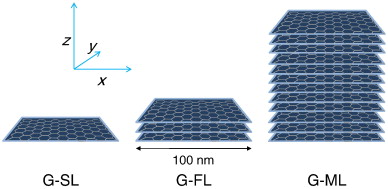
This article investigates the analytical performance of double-, few- and multi-layer graphene upon oxidation of adenine and guanine. We observed that the sensitivity of differential pulse voltammetric response of guanine and adenine is significantly higher at few-layer graphene surface than single-layer graphene. We use glassy carbon electrode as substrate coated with graphenes. Our findings shall …

Number of graphene layers exhibiting an influence on oxidation of DNA bases: Analytical parameters Read More »

Gold Nanospacers Greatly Enhance the Capacitance of Electrochemically Reduced Graphene

Graphene has great potential in electrochemical storage applications for supercapacitors owing to its high conductivity, large surface area, and the economical feasibility in producing it. The main issue that faces graphene nanomaterials in this application is that they tend to restack, thus decreasing the accessible surface area and leading to low capacitance. Gold nanoparticles of …

Gold Nanospacers Greatly Enhance the Capacitance of Electrochemically Reduced Graphene Read More »

Graphene materials preparation methods have dramatic influence upon their capacitance

Graphene related materials are widely expected to play a major role as materials for the construction of supercapacitors. We demonstrate here that graphene oxides prepared by various well-established methods exhibit dramatically different capacitances. We exfoliated graphite oxide sonographically to graphene oxide (GO) and we reduced GO by chemical or electrochemical means to chemically reduced graphene …

Graphene materials preparation methods have dramatic influence upon their capacitance Read More »

Graphene for impedimetric biosensing

Graphene displays promising features for biosensing applications. Electrochemical impedance spectroscopy (EIS) is a very sensitive, label-free technique that is ideally suited to be coupled with a graphene platform. We discuss recent advances of graphene-based platforms for impedimetric genosensors and immunosensors. We also provide an overview on EIS and the preparation of graphene by different methods, …

Graphene for impedimetric biosensing Read More »

Electrochemistry at Chemically Modified Graphenes

Electrochemical applications of graphene are of great interest to many researchers as they can potentially lead to crucial technological advancements in fabrication of electrochemical devices for energy production and storage, and highly sensitive sensors. There are many routes towards fabrication of bulk quantities of chemically modified graphenes (CMG) for applications such as electrode materials. Each …

Electrochemistry at Chemically Modified Graphenes Read More »

Graphene Platform for Hairpin-DNA-Based Impedimetric Genosensing

There is enormous need for sensitive and selective detection of single nucleotide polymorphism of a DNA strand as this issue is related to many major diseases and disorders, such as Parkinson’s and Alzheimer’s disease. To achieve sensitivity and selectivity of the detection, a highly sensitive transducer of the signal with high surface area is required. …

Graphene Platform for Hairpin-DNA-Based Impedimetric Genosensing Read More »

Stacked graphene nanofibers doped polypyrrole nanocomposites for electrochemical sensing

This publication shows a single-step electropolymerization which has been carried out by the incorporation of an anionic stacked graphene nanofiber (SGNF) dopant into a polypyrrole (PPy) film, at a disposable screen-printed electrode. The incorporation of the SGNFs into the polymer does not affect their electrochemical properties, shown through cyclic voltammetry by the earlier oxidation of …

Stacked graphene nanofibers doped polypyrrole nanocomposites for electrochemical sensing Read More »

Multilayer graphene nanoribbons exhibit larger capacitance than their few-layer and single-layer graphene counterparts

This article demonstrates that it is not always beneficial to exfoliate graphitic structures to single-layer graphene to achieve maximum electrochemical performance. Using electrochemical impedance spectroscopy, we show that multilayer graphene nanoribbons with cross sections of 100 x 100 nm provide larger capacitance (15.6 F/g) than do few-layer graphene nanoribbons (14.9 F/g) and far larger capacitance …

Multilayer graphene nanoribbons exhibit larger capacitance than their few-layer and single-layer graphene counterparts Read More »

Graphene for electrochemical sensing and biosensing

Graphene has proved to be an excellent nanomaterial for applications in electrochemistry. We review progress in constructing high-performance electrochemical sensors and biosensors. We also discuss: different routes for graphene fabrication; graphene-modified electrodes and graphene-composite electrodes for sensing, including those based on ionic liquids; incorporation of biorecognition elements into graphene-based electrodes; and, graphene-supported electrocatalytic nanoparticle-based electrochemical …

Graphene for electrochemical sensing and biosensing Read More »

Platelet Graphite Nanofibers for Electrochemical Sensing and Biosensing: The Influence of Graphene Sheet Orientation

Here, we demonstrate that platelet graphite nanofibers (PGNFs) exhibit fast heterogeneous electron-transfer rates for a wide variety of compounds such as FeCl3, ferrocyanide, dopamine, uric acid, ascorbic acid, and the reduced form of beta-nicotinamide adenine dinucleotide. The electrochemical properties of PGNFs are superior to those of multiwalled carbon nanotubes (MWCNTs) or graphite microparticles (GMPs). Transmission …

Platelet Graphite Nanofibers for Electrochemical Sensing and Biosensing: The Influence of Graphene Sheet Orientation Read More »

Electrochemistry of Graphene: New Horizons for Sensing and Energy Storage

Graphene is a new 2D nanomaterial with outstanding material, physical, chemical, and electrochemical properties. In this review, we first discuss the methods of preparing graphene sheers and their chemistry. Following that, the fundamental reasons governing the electrochemistry of graphene are meaningfully described Graphene is all excellent. electrode material with the advantages of conductivity and electrochemistry …

Electrochemistry of Graphene: New Horizons for Sensing and Energy Storage Read More »