Keyword Author: doping

Copper-Infused MXene from MAX Phase for Enhanced Electrochemical Ammonia Production

The electrochemical conversion of nitrate to value-added ammonia is a green alternative to the energy-intensive Haber–Bosch process. However, due to inefficient catalysts, guiding the reaction route towards selective ammonia synthesis is still challenging. Here, we report a highly efficient Cu-infused V2C catalyst, synthesized via the molten salt synthesis method using selective CuCl2 etching. The optimized …

Copper-Infused MXene from MAX Phase for Enhanced Electrochemical Ammonia Production Read More »
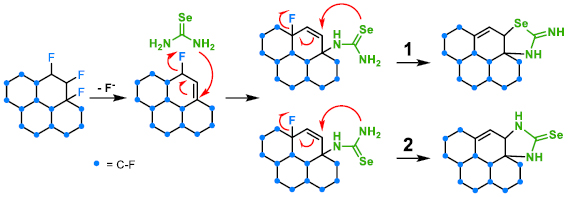
Selenium covalently modified graphene: towards gas sensing

The research in the area of graphene derivatives containing chalcogen elements is currently an exclusive domain of oxygen- and sulfur-containing functional groups. Here we report an effective introduction of selenium-based organic functional groups and propose a mechanism of their attachment to graphene and graphene-related materials. Fluorographene can be effectively functionalized by selenium-containing group, forming C-Se …

Selenium covalently modified graphene: towards gas sensing Read More »

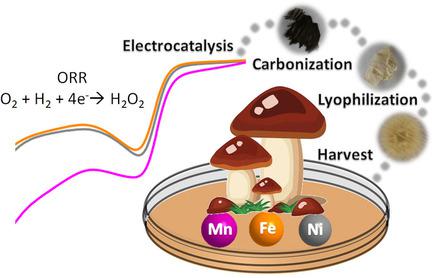
A Metal-Doped Fungi-Based Biomaterial for Advanced Electrocatalysis

Nature and its highly sophisticated biomaterials are an endless source of inspiration for engineers and scientists across a wide range of disciplines. During the last decade, concepts of bioinspired synthesis of hierarchically structured nano- and micromaterials have been attracting increasing attention. In this article, we have utilized the natural ability of fungi to absorb metal …

A Metal-Doped Fungi-Based Biomaterial for Advanced Electrocatalysis Read More »

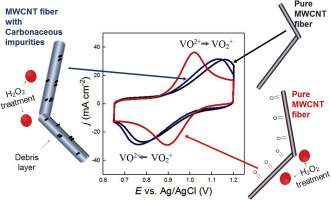
Two-Dimensional Materials on the Rocks: Positive and Negative Role of Dopants and Impurities in Electrochemistry

Two-dimensional (2D) materials, such as graphene and transition-metal chalcogenides, were shown in many works as very potent catalysts for industrially important electrochemical reactions, such as oxygen reduction, hydrogen and oxygen evolution, and carbon dioxide reduction. We critically discuss here the development in the field, showing that not only dopants but also impurities can have dramatic …

Two-Dimensional Materials on the Rocks: Positive and Negative Role of Dopants and Impurities in Electrochemistry Read More »

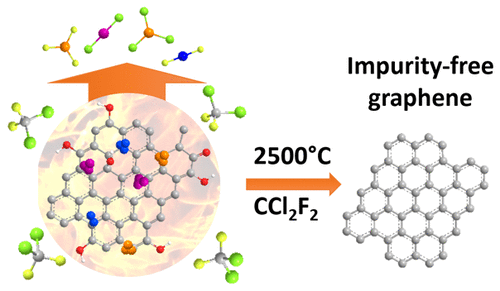
Ultrapure Graphene Is a Poor Electrocatalyst: Definitive Proof of the Key Role of Metallic Impurities in Graphene-Based Electrocatalysis

Graphene and its derivatives have been reported in many articles as “metal-free” carbon electrocatalytic materials. Its synthesis procedures are generally based on the chemical oxidation of graphite and subsequent thermal or chemical reduction. Because graphene oxide has a large surface area and typically contains a variety of oxygen functionalities, metallic ions (impurities) from reaction mixtures …

Ultrapure Graphene Is a Poor Electrocatalyst: Definitive Proof of the Key Role of Metallic Impurities in Graphene-Based Electrocatalysis Read More »

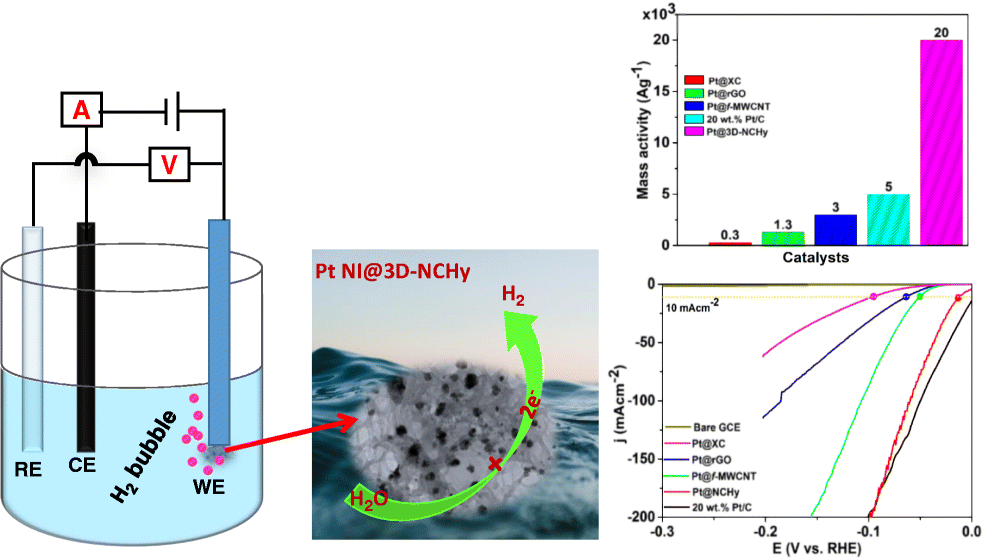
Tunable Pt-MoSx Hybrid Catalysts for Hydrogen Evolution

Platinum (Pt)-based materials are inevitably among the best-performing electrocatalysts for hydrogen evolution reaction (HER). MoS2 was suggested to be a potent HER catalyst to replace Pt in this reaction by theoretical modeling; however, in practice, this dream remains elusive. Here we show a facile one-pot bottom-up synthesis of Pt-MoSx composites using electrochemical reduction in an …

Tunable Pt-MoSx Hybrid Catalysts for Hydrogen Evolution Read More »

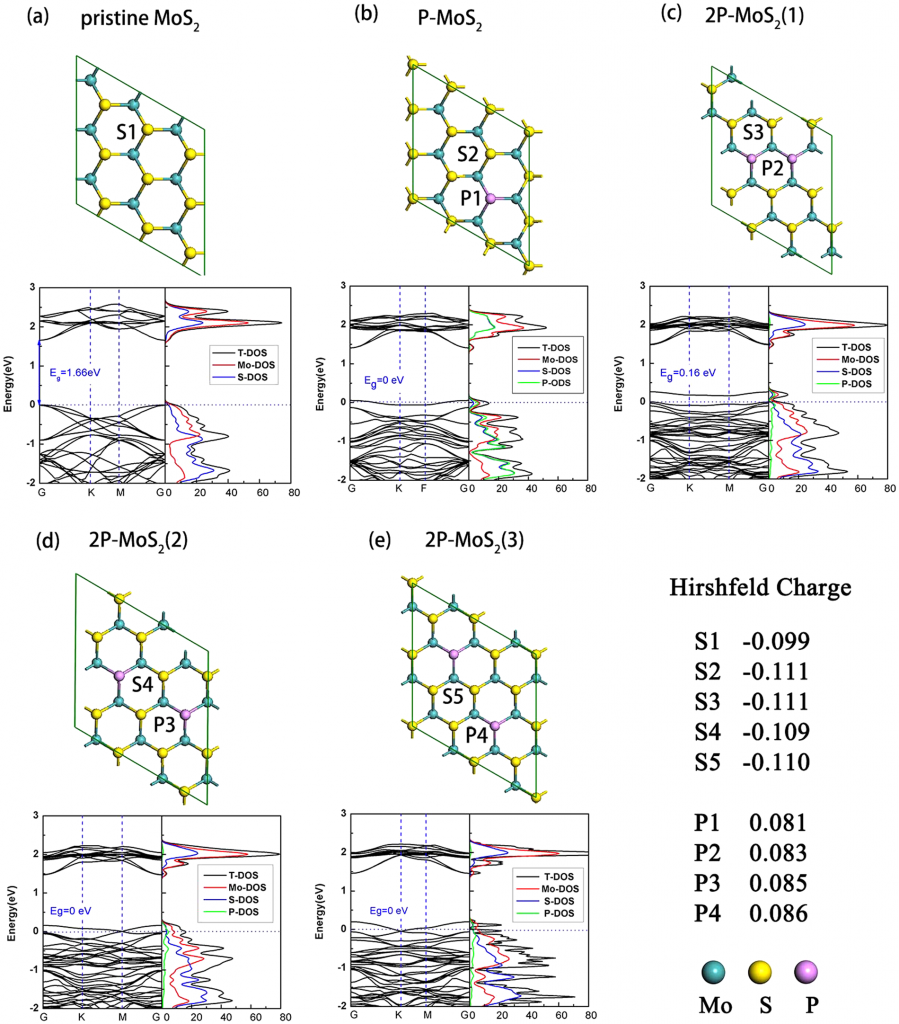
Ultrapure Molybdenum Disulfide Shows Enhanced Catalysis for Hydrogen Evolution over Impurities-Doped Counterpart

The development of electrocatalysts to meet the requirements of renewable energy applications has seen much attention placed on transition-metal dichalcogenide (TMD) materials owing to their promising properties. In particular, the strategy of atomic doping has garnered some success in tuning the electronic properties and harnessing the vast potential that TMDs can offer in the catalysis …

Ultrapure Molybdenum Disulfide Shows Enhanced Catalysis for Hydrogen Evolution over Impurities-Doped Counterpart Read More »

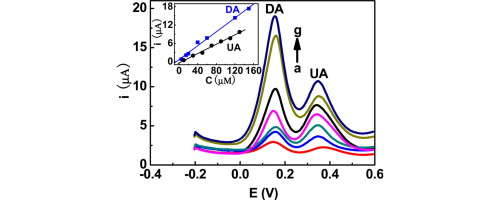
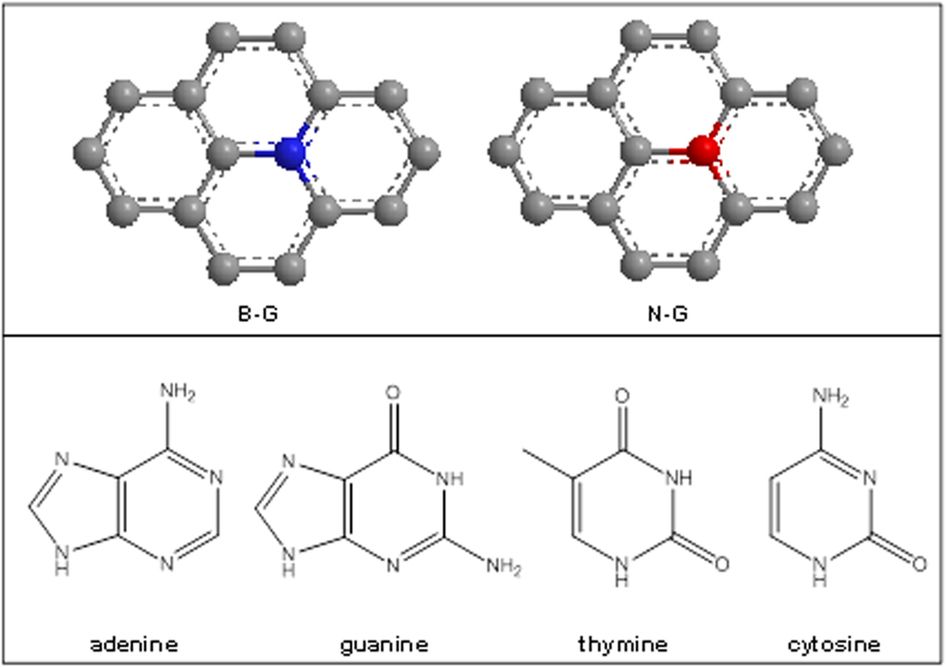
Boron and Nitrogen Doped Graphene via Microwave Exfoliation for Simultaneous Electrochemical Detection of Ascorbic Acid, Dopamine and Uric Acid

Boron and nitrogen doped graphenes show opposite effect on the electronic structure, one with electron withdrawing and another one with electron donating effects. It is of high importance to investigate the influence of B or N doping on biomarkers detection and compare it to non-doped graphene. Here we show that B-doped graphene shows significant enhancement …

Boron and Nitrogen Doped Graphene via Microwave Exfoliation for Simultaneous Electrochemical Detection of Ascorbic Acid, Dopamine and Uric Acid Read More »

Negative Electrocatalytic Effects of p-Doping Niobium and Tantalum on MoS2 and WS2 for the Hydrogen Evolution Reaction and Oxygen Reduction Reaction

Transition-metal dichalcogenides (TMDs) are at the forefront of research for their promising catalytic abilities and unique materials properties. With great interest in the study of mono- or few-layered TMDs, we seek to fundamentally explore the effects of doping on bulk TMDs, particularly MoS2 and WS2 for the hydrogen evolution reaction (HER) and oxygen reduction reaction …

Negative Electrocatalytic Effects of p-Doping Niobium and Tantalum on MoS2 and WS2 for the Hydrogen Evolution Reaction and Oxygen Reduction Reaction Read More »
Iridium- and Osmium-decorated Reduced Graphenes as Promising Catalysts for Hydrogen Evolution

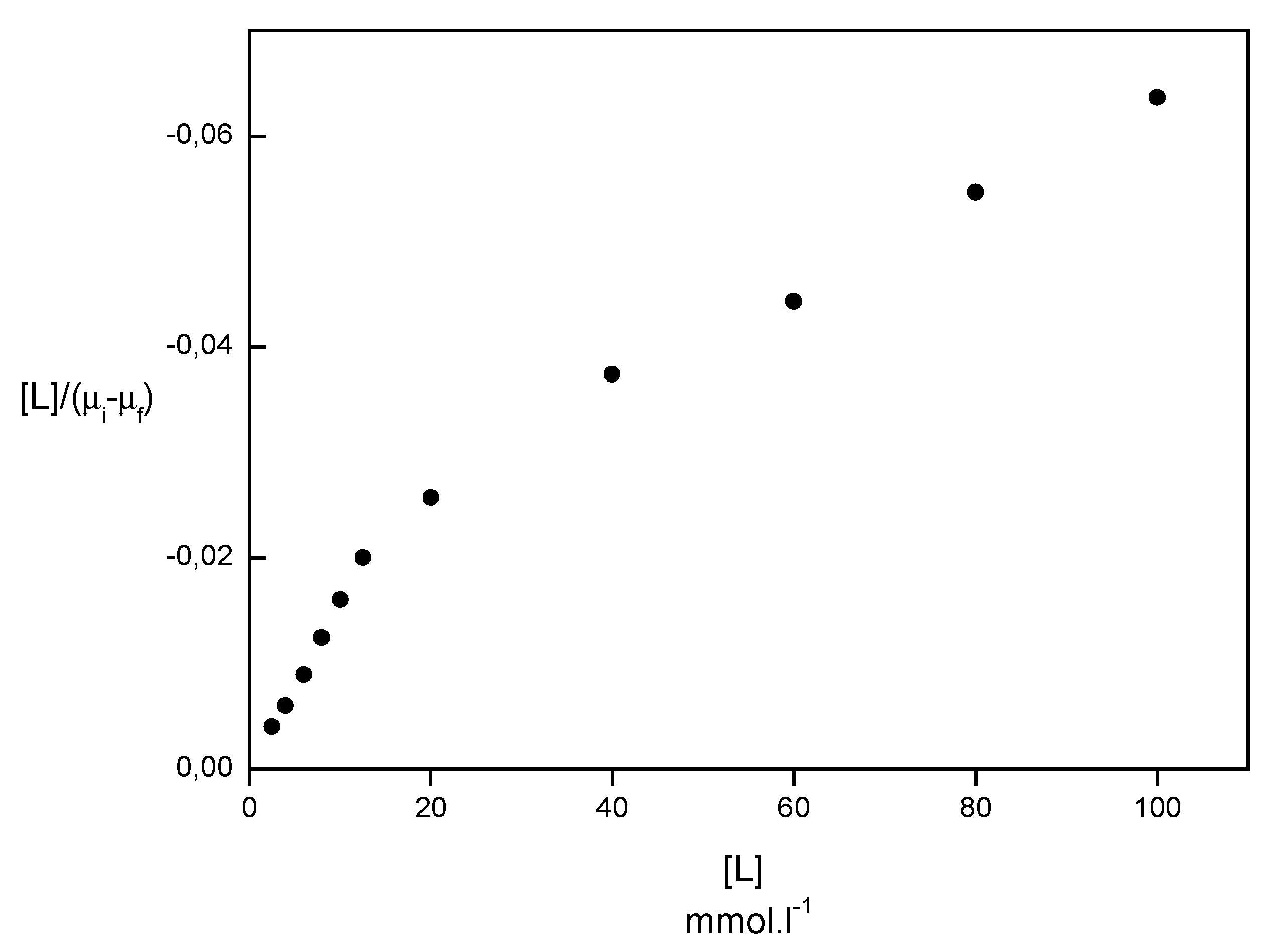
Renewable energy sources are highly sought after as a result of numerous worldwide problems concerning the environment and the shortage of energy. Currently, the focus in the field is on the development of catalysts that are able to provide water splitting catalysis and energy storage for the hydrogen evolution reaction (HER). While platinum is an …

Iridium- and Osmium-decorated Reduced Graphenes as Promising Catalysts for Hydrogen Evolution Read More »

p-Element-Doped Graphene: Heteroatoms for Electrochemical Enhancement

Graphene is finding important applications in electrochemistry. Here, we discuss how the doping of graphene with heteroatoms, namely boron, nitrogen, phosphorus, sulfur, fluorine, chlorine, bromine, and iodine, change the electrochemical properties of the material. In addition, we summarize the different doping routes and show that the process has an influence upon electrochemical properties.

Chemical Preparation of Graphene Materials Results in Extensive Unintentional Doping with Heteroatoms and Metals

Chemical synthesis of graphene relies on the usage of various chemical reagents. The initial synthesis step, in which graphite is oxidized to graphite oxide, is achieved by a combination of chemical oxidants and acids. A subsequent chemical reduction step eliminates/reduces most oxygen functionalities to yield graphene. We demonstrate here that these chemical treatments significantly contaminate …

Chemical Preparation of Graphene Materials Results in Extensive Unintentional Doping with Heteroatoms and Metals Read More »

Concurrent Phosphorus Doping and Reduction of Graphene Oxide

Doped graphene materials are of huge importance because doping with electron-donating or electron-withdrawing groups can significantly change the electronic structure and impact the electronic and electrochemical properties of these materials. It is highly important to be able to produce these materials in large quantities for practical applications. The only method capable of large-scale production is …

Concurrent Phosphorus Doping and Reduction of Graphene Oxide Read More »

Capacitance of p-and n-Doped Graphenes is Dominated by Structural Defects Regardless of the Dopant Type

Graphene materials possess attractive properties that can be used for the fabrication of supercapacitors with enhanced energy-storage performance. It has been shown that both boron and nitrogen doping of graphene can improve the intrinsic capacitance of the material relative to the undoped precursor. We address the question of whether p-doping (using boron as dopant) or …

Capacitance of p-and n-Doped Graphenes is Dominated by Structural Defects Regardless of the Dopant Type Read More »

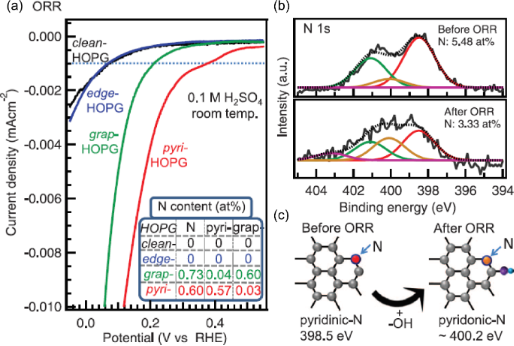
“Metal-Free” Catalytic Oxygen Reduction Reaction on Heteroatom-Doped Graphene is Caused by Trace Metal Impurities

The oxygen reduction reaction (ORR) is of high industrial importance. There is a large body of literature showing that metal-based catalytic nanoparticles (e.g. Co, Mn, Fe or hybrid Mn/Co-based nanoparticles) supported on graphene act as efficient catalysts for the ORR. A significant research effort is also directed to the so-called metal-free oxygen reduction reaction on …

“Metal-Free” Catalytic Oxygen Reduction Reaction on Heteroatom-Doped Graphene is Caused by Trace Metal Impurities Read More »

Sulfur-Doped Graphene via Thermal Exfoliation of Graphite Oxide in H2S, SO2, or CS2 Gas

Doping of graphene with heteroatoms is an effective way to tailor its properties. Here we describe a simple and scalable method of doping graphene lattice with sulfur atoms during the thermal exfoliation process of graphite oxides. The graphite oxides were first prepared by Staudenmaler, Hofmann, and Hummers methods followed by treatments in hydrogen sulfide, sulfur …

Sulfur-Doped Graphene via Thermal Exfoliation of Graphite Oxide in H2S, SO2, or CS2 Gas Read More »

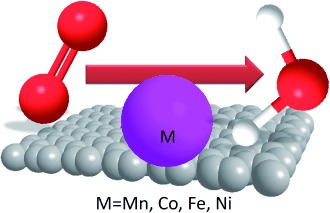
Transition Metal (Mn, Fe, Co, Ni)-Doped Graphene Hybrids for Electrocatalysis

The development of electrocatalysts is crucial for renewable energy applications. Metal-doped graphene hybrid materials have been explored for this purpose, however, with much focus on noble metals, which are limited by their low availability and high costs. Transition metals may serve as promising alternatives. Here, transition metal-doped graphene hybrids were synthesized by a simple and …

Transition Metal (Mn, Fe, Co, Ni)-Doped Graphene Hybrids for Electrocatalysis Read More »