Keyword Author: electrocatalysis

Improving Ni(OH)2 electrocatalysis with graphene quantum dots

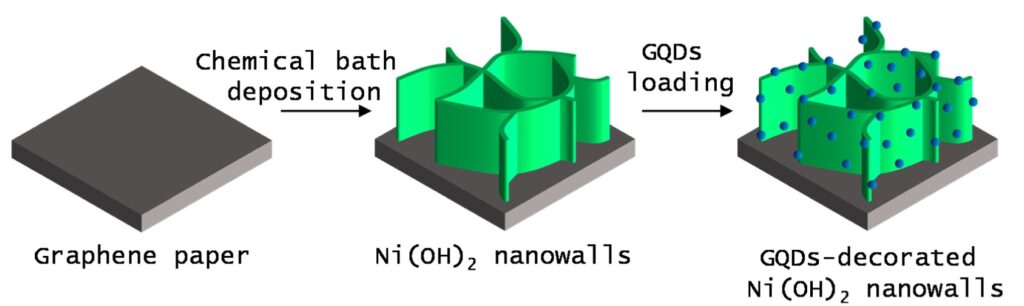
Water splitting is a critical process for sustainable energy transition, involving the electrolysis of water into its constituent elements, hydrogen and oxygen. In this study, we demonstrate the superior electrocatalytic activity of graphene quantum dots (GQDs)-decorated nickel hydroxide (Ni(OH)2) nanostructures for the oxygen evolution reaction (OER) in alkaline media. Ni(OH)2 nanowalls are synthesized on graphene …

Improving Ni(OH)2 electrocatalysis with graphene quantum dots Read More »

Copper-Infused MXene from MAX Phase for Enhanced Electrochemical Ammonia Production

The electrochemical conversion of nitrate to value-added ammonia is a green alternative to the energy-intensive Haber–Bosch process. However, due to inefficient catalysts, guiding the reaction route towards selective ammonia synthesis is still challenging. Here, we report a highly efficient Cu-infused V2C catalyst, synthesized via the molten salt synthesis method using selective CuCl2 etching. The optimized …

Copper-Infused MXene from MAX Phase for Enhanced Electrochemical Ammonia Production Read More »

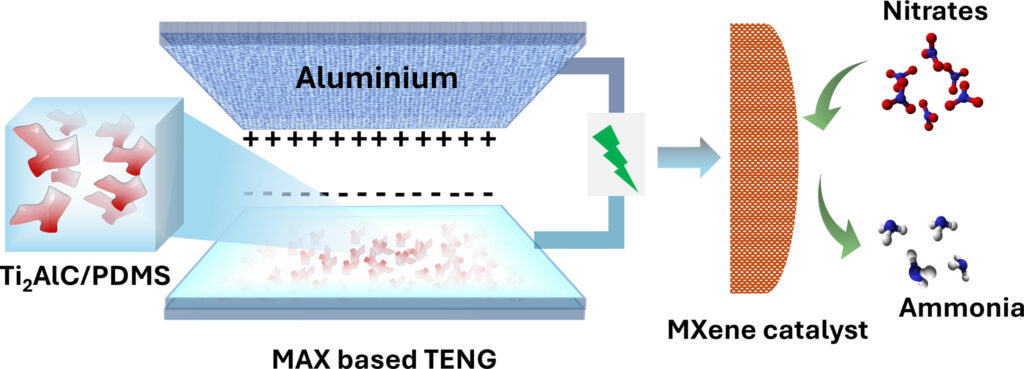
MAX phase metal carbide-enabled triboelectric nanogenerator for integrated ammonia generation

Electrochemical ammonia synthesis at ambient conditions offers a promising and eco-friendly alternative to conventional methods, which are highly energy-intensive and major contributors to global greenhouse gas emissions. To make this approach sustainable, it must be integrated with a renewable, clean, and affordable energy source. Here, we developed an eco-friendly approach to produce electrocatalytic ammonia powered …

MAX phase metal carbide-enabled triboelectric nanogenerator for integrated ammonia generation Read More »

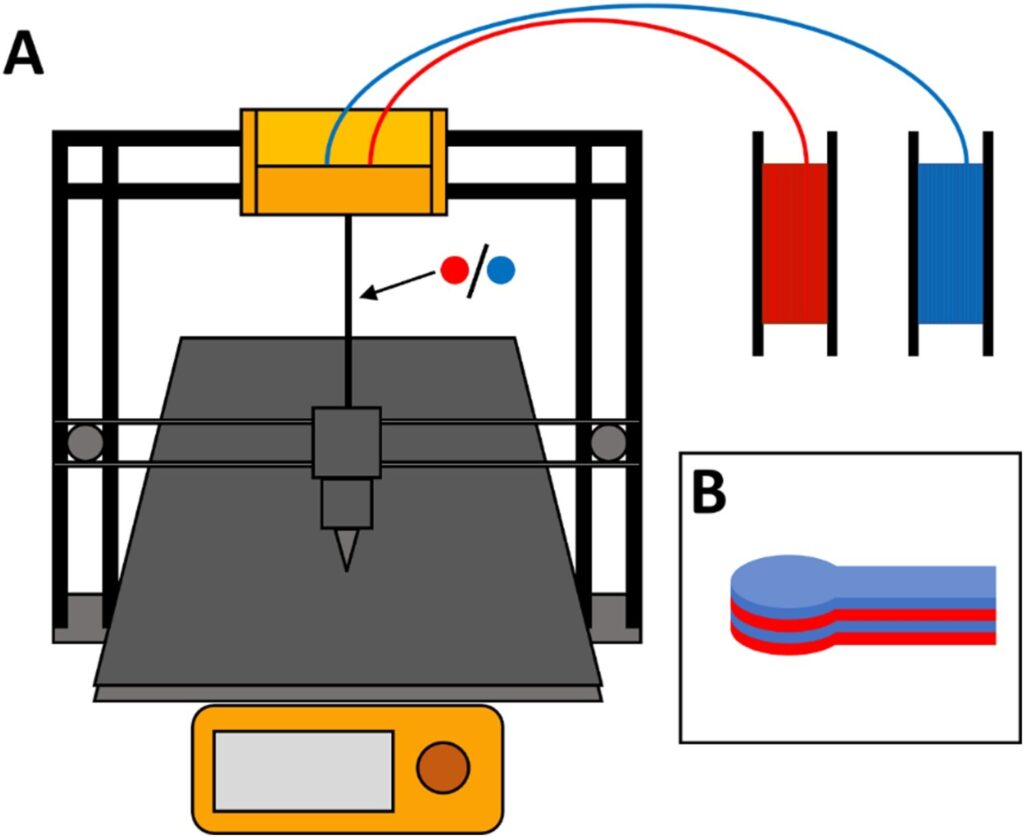
Heterolayered carbon allotrope architectonics via multi-material 3D printing for advanced electrochemical devices

3D printing has become a powerful technique in electrochemistry for fabricating electrodes, thanks to readily available conductive nanocomposite filaments, such as those based on carbon fillers (i.e., carbon nanotubes (CNTs) or carbon black (CB)) within an insulating polymeric matrix like polylactic acid (PLA). Inspired by inorganic heterostructures that enhance the functional characteristics of nanomaterials, we …

Heterolayered carbon allotrope architectonics via multi-material 3D printing for advanced electrochemical devices Read More »

Two-Dimensional Materials on the Rocks: Positive and Negative Role of Dopants and Impurities in Electrochemistry

Two-dimensional (2D) materials, such as graphene and transition-metal chalcogenides, were shown in many works as very potent catalysts for industrially important electrochemical reactions, such as oxygen reduction, hydrogen and oxygen evolution, and carbon dioxide reduction. We critically discuss here the development in the field, showing that not only dopants but also impurities can have dramatic …

Two-Dimensional Materials on the Rocks: Positive and Negative Role of Dopants and Impurities in Electrochemistry Read More »

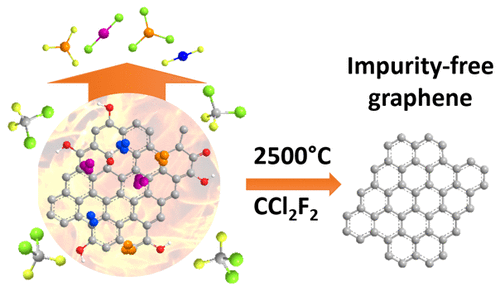
Ultrapure Graphene Is a Poor Electrocatalyst: Definitive Proof of the Key Role of Metallic Impurities in Graphene-Based Electrocatalysis

Graphene and its derivatives have been reported in many articles as “metal-free” carbon electrocatalytic materials. Its synthesis procedures are generally based on the chemical oxidation of graphite and subsequent thermal or chemical reduction. Because graphene oxide has a large surface area and typically contains a variety of oxygen functionalities, metallic ions (impurities) from reaction mixtures …

Ultrapure Graphene Is a Poor Electrocatalyst: Definitive Proof of the Key Role of Metallic Impurities in Graphene-Based Electrocatalysis Read More »

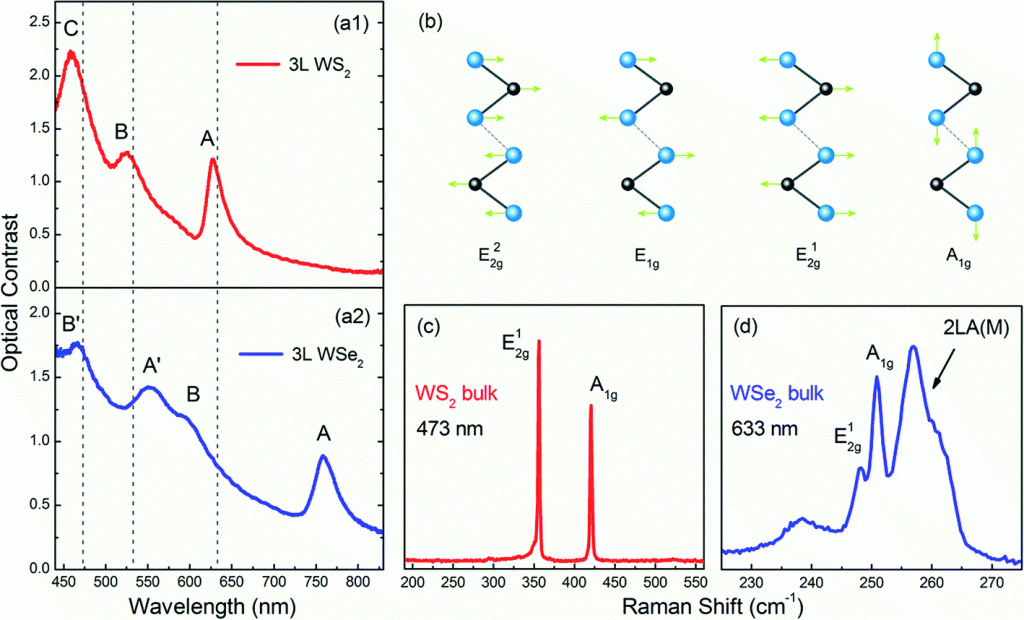
Morphological Effects and Stabilization of the Metallic 1T Phase in Layered V-, Nb-, and Ta-Doped WSe2 for Electrocatalysis

Layered transition-metal dichalcogenides ( TMDs) are valued for their electrocatalytic properties toward the hydrogen-evolution reaction ( HER) and oxygen-reduction reaction ( ORR). One effective strategy to activate the electrocatalytic properties of TMDs is through doping. The optimistic outlook of doped-MoS2 as an electrocatalyst witnessed in previous reports spurred us to examine the effect of doping …

Morphological Effects and Stabilization of the Metallic 1T Phase in Layered V-, Nb-, and Ta-Doped WSe2 for Electrocatalysis Read More »

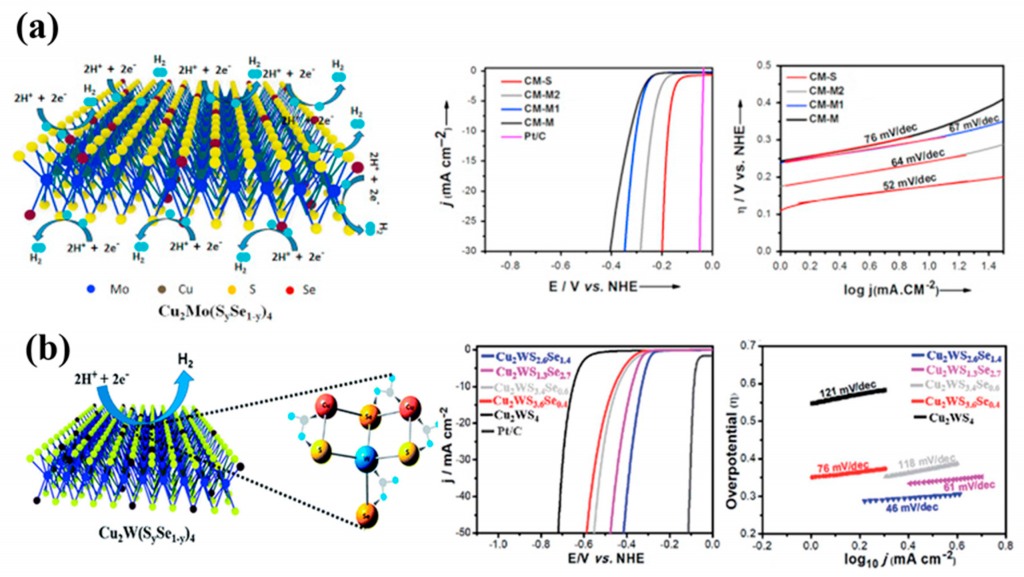
Composition-Graded MoWSx Hybrids with Tailored Catalytic Activity by Bipolar Electrochemistry

Among transition metal dichalcogenide (TMD)-based composites, TMD/graphene-related material and bichalcogen TMD composites have been widely studied for application toward energy production via the hydrogen evolution reaction (HER). However, scarcely any literature explored the possibility of bimetallic TMD hybrids as HER electrocatalysts. The use of harmful chemicals and harsh preparation conditions in conventional syntheses also detracts …

Composition-Graded MoWSx Hybrids with Tailored Catalytic Activity by Bipolar Electrochemistry Read More »

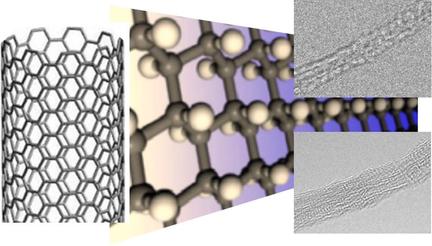
Planar Polyolefin Nanostripes: Perhydrogenated Graphene

Graphene hydrogenation gives an opportunity to introduce a band gap into the graphene electronic structure. Complete hydrogenation may lead to the graphane, a fully hydrogenated counterpart of graphene. However, pure graphane has not been successfully prepared to this day. Here, we show that hydrogenation of single-walled carbon nanotubes by means of Birch reduction leads to …

Planar Polyolefin Nanostripes: Perhydrogenated Graphene Read More »

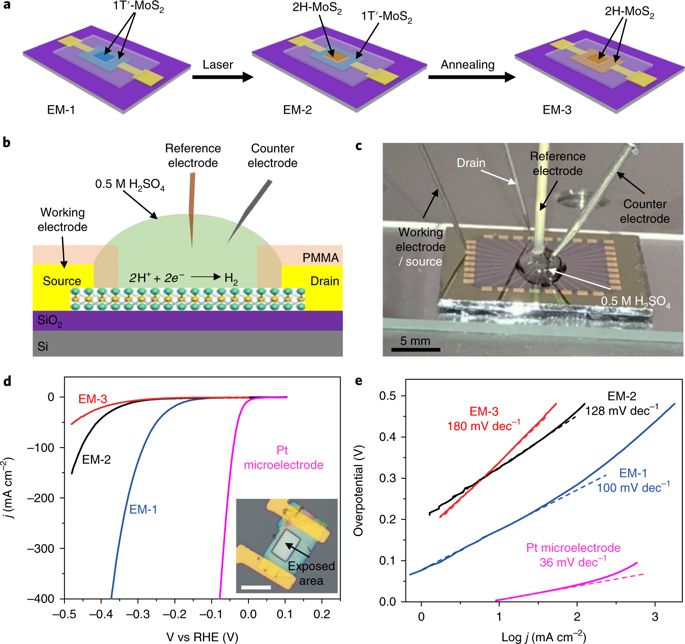
The Origin of MoS2 Significantly Influences Its Performance for the Hydrogen Evolution Reaction due to Differences in Phase Purity

Molybdenum disulfide (MoS2) is at the forefront of materials research. It shows great promise for electrochemical applications, especially for hydrogen evolution reaction (HER) catalysis. There is a significant discrepancy in the literature on the reported catalytic activity for HER catalysis on MoS2. Here we test the electrochemical performance of MoS2 obtained from seven sources and …

The Origin of MoS2 Significantly Influences Its Performance for the Hydrogen Evolution Reaction due to Differences in Phase Purity Read More »

Aromatic-Exfoliated Transition Metal Dichalcogenides: Implications for Inherent Electrochemistry and Hydrogen Evolution

In the face of rising energy demand and depleting energy resources, energy sustainability has proven to be a formidable environmental and economic challenge, and the search for environmentally friendly energy sources is exigent. To this end, much research has been focused on improving the efficiency of the hydrogen evolution reaction (HER), which generates hydrogen gas, …

Aromatic-Exfoliated Transition Metal Dichalcogenides: Implications for Inherent Electrochemistry and Hydrogen Evolution Read More »

Bottom-up Electrosynthesis of Highly Active Tungsten Sulfide (WS3-x) Films for Hydrogen Evolution

Transition metal dichalcogenides have been I extensively studied as promising earth-abundant electrocatalysts for hydrogen evolution reaction (HER). However, despite the intention to achieve sustainable energy generation, conventional syntheses typically use environmentally damaging reagents and energy-demanding preparation conditions. Hence, we present electrochemical synthesis as a green and versatile alternative to traditional methods. In this fundamental study, …

Bottom-up Electrosynthesis of Highly Active Tungsten Sulfide (WS3-x) Films for Hydrogen Evolution Read More »

Electrochemistry of Layered Graphitic Carbon Nitride Synthesised from Various Precursors: Searching for Catalytic Effects

Graphitic carbon nitride (g-C3N4), synthesised by pyrolysis of different precursors (dicyandiamide, melamine and urea) under varying reaction conditions (air and nitrogen gas) is subjected to electrochemical studies for the elucidation of the inherent catalytic efficiency of the pristine material. Contrary to popular belief, pristine g-C3N4 shows negligible, if any, enhancement in its electrochemical behaviour in …

Electrochemistry of Layered Graphitic Carbon Nitride Synthesised from Various Precursors: Searching for Catalytic Effects Read More »
Carbocatalysis: The State of “Metal-Free” Catalysis

The rise in global demand for crucial chemical compounds has driven immense research in the fundamental science of catalysis. Graphene and its derivatives (chemically modified graphene, CMGs) have recently emerged as a new class of heterogeneous catalyst that promises economically viable and greener routes to these compounds. Although CMGs possess unique catalytic properties, the actual …

Carbocatalysis: The State of “Metal-Free” Catalysis Read More »
Ternary Transition Metal Oxide Nanoparticles with Spinel Structure for the Oxygen Reduction Reaction

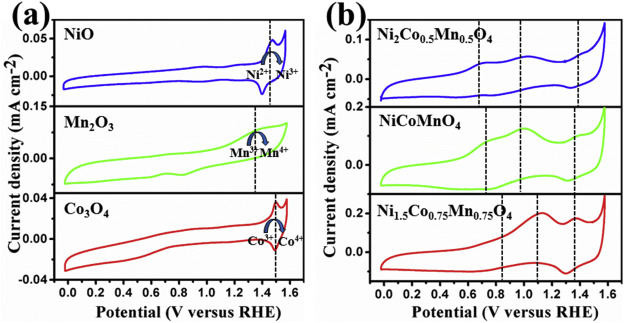
It is crucial to develop electrocatalysts for the oxygen reduction reaction (ORR) for renewable energy applications. Mixed-valence transition-metal oxides with a spinel structure have been explored for this purpose. In this work, we study the influence of the composition of the catalysts (XY2O4, X=Ni, Zn and Y=Co, Mn) on the ORR. The four different types …

Ternary Transition Metal Oxide Nanoparticles with Spinel Structure for the Oxygen Reduction Reaction Read More »

“Metal-Free” Catalytic Oxygen Reduction Reaction on Heteroatom-Doped Graphene is Caused by Trace Metal Impurities

The oxygen reduction reaction (ORR) is of high industrial importance. There is a large body of literature showing that metal-based catalytic nanoparticles (e.g. Co, Mn, Fe or hybrid Mn/Co-based nanoparticles) supported on graphene act as efficient catalysts for the ORR. A significant research effort is also directed to the so-called metal-free oxygen reduction reaction on …

“Metal-Free” Catalytic Oxygen Reduction Reaction on Heteroatom-Doped Graphene is Caused by Trace Metal Impurities Read More »

Voltammetry of carbon nanotubes and graphenes: excitement, disappointment, and reality

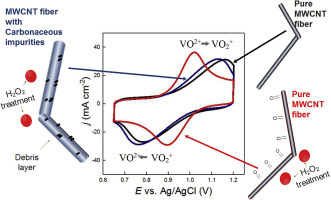
Voltammetry of carbon nanotubes and graphene underwent significant development in the first decade of the 21st century. The initial excitement concerning the performance of the new materials was replaced with increasing crises in the field caused by the use of impure materials. Here, I provide a personal view of these developments and some reality checks …

Voltammetry of carbon nanotubes and graphenes: excitement, disappointment, and reality Read More »

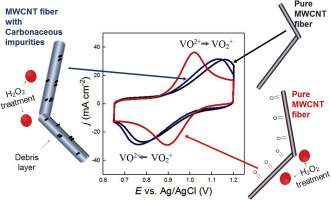
Nanographite Impurities in Carbon Nanotubes: Their Influence on the Oxidation of Insulin, Nitric Oxide, and Extracellular Thiols

There has been growing interest in the use of modified-carbon-nanotube electrodes in applications such as the electrochemical detection of biologically significant compounds, owing to their apparent electrocatalytic properties and ability to enhance oxidative signals. In spite of their salient properties, little work has been done to further examine the reasons for these reported characteristics. In …

Nanographite Impurities in Carbon Nanotubes: Their Influence on the Oxidation of Insulin, Nitric Oxide, and Extracellular Thiols Read More »

Regulatory Peptides Are Susceptible to Oxidation by Metallic Impurities within Carbon Nanotubes

In this article, we show that the redox properties of the regulatory peptide L-glutathione are affected by the presence of nickel oxide impurities within single-walled carbon nanotubes (SWCNTs). Glutathione is a powerful antioxidant that protects cells from oxidative stress by removing free radicals and peroxides. We show that the L-cysteine moiety in L-glutathione is responsible …

Regulatory Peptides Are Susceptible to Oxidation by Metallic Impurities within Carbon Nanotubes Read More »