Keyword Author: polymers

Polarity-Selective Assembly Enables Tough and Stretchable Ionogels for Wearable Electronic

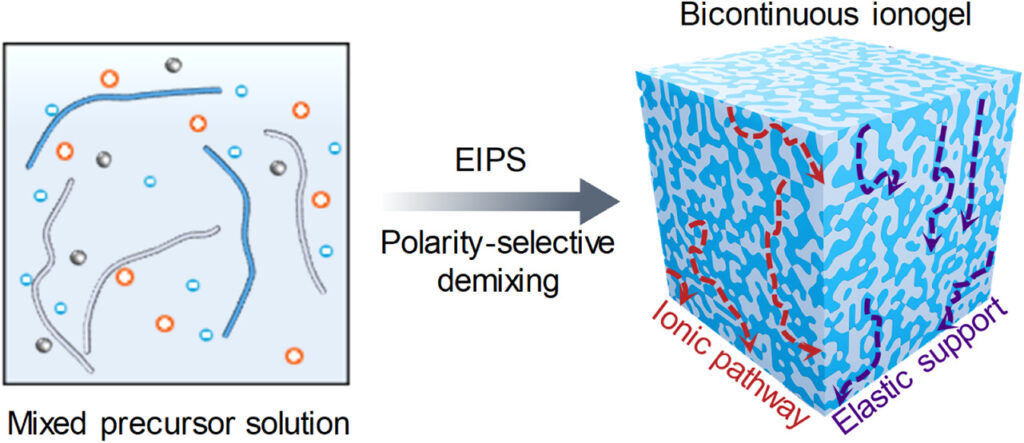
The widespread adoption of stretchable ionogels for emerging soft iontronics has been impeded by an inherent trade-off between mechanical robustness and ionic conductivity. Moreover, most existing approaches rely on intricate molecular designs or multistep processing, posing significant challenges to scalability and processability. Herein, we develop a facile and generalizable solvent-evaporation-induced phase-separation strategy that yields ionogels …

Polarity-Selective Assembly Enables Tough and Stretchable Ionogels for Wearable Electronic Read More »

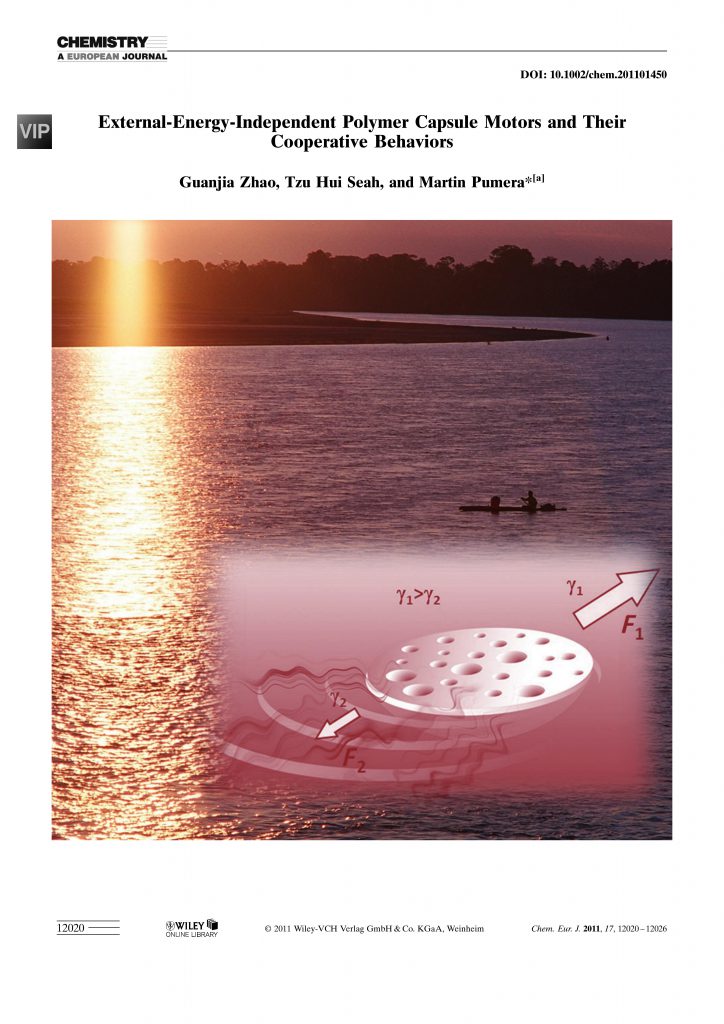
External-Energy-Independent Polymer Capsule Motors and Their Cooperative Behaviors

The design and development of mobile nano-, micro-, and millimeter-scale autonomous systems have been perused over several decades. Here, we introduce a millimeter-sized polymer capsule motor with specific features and functionalities. It runs without any external energy sources or the consumption of external fuels such as H2O2 or glucose. The occurrence of motion is due …

External-Energy-Independent Polymer Capsule Motors and Their Cooperative Behaviors Read More »

Spontaneous coating of carbon nanotubes with an ultrathin polypyrrole layer

A novel protocol for precisely coating individual multiwall carbon nanotubes (MWCNTs) with an ultrathin layer of polypyrrole was developed. The nanocoated MWCNTs were successfully prepared by in situ chemical deposition of polypyrrole in an aqueous suspension of MWCNTs. The coating layer was very uniform and the thickness of the layer was determined by controlling the …

Spontaneous coating of carbon nanotubes with an ultrathin polypyrrole layer Read More »

Determination of cyclodextrin content using periodate oxidation by capillary electrophoresis

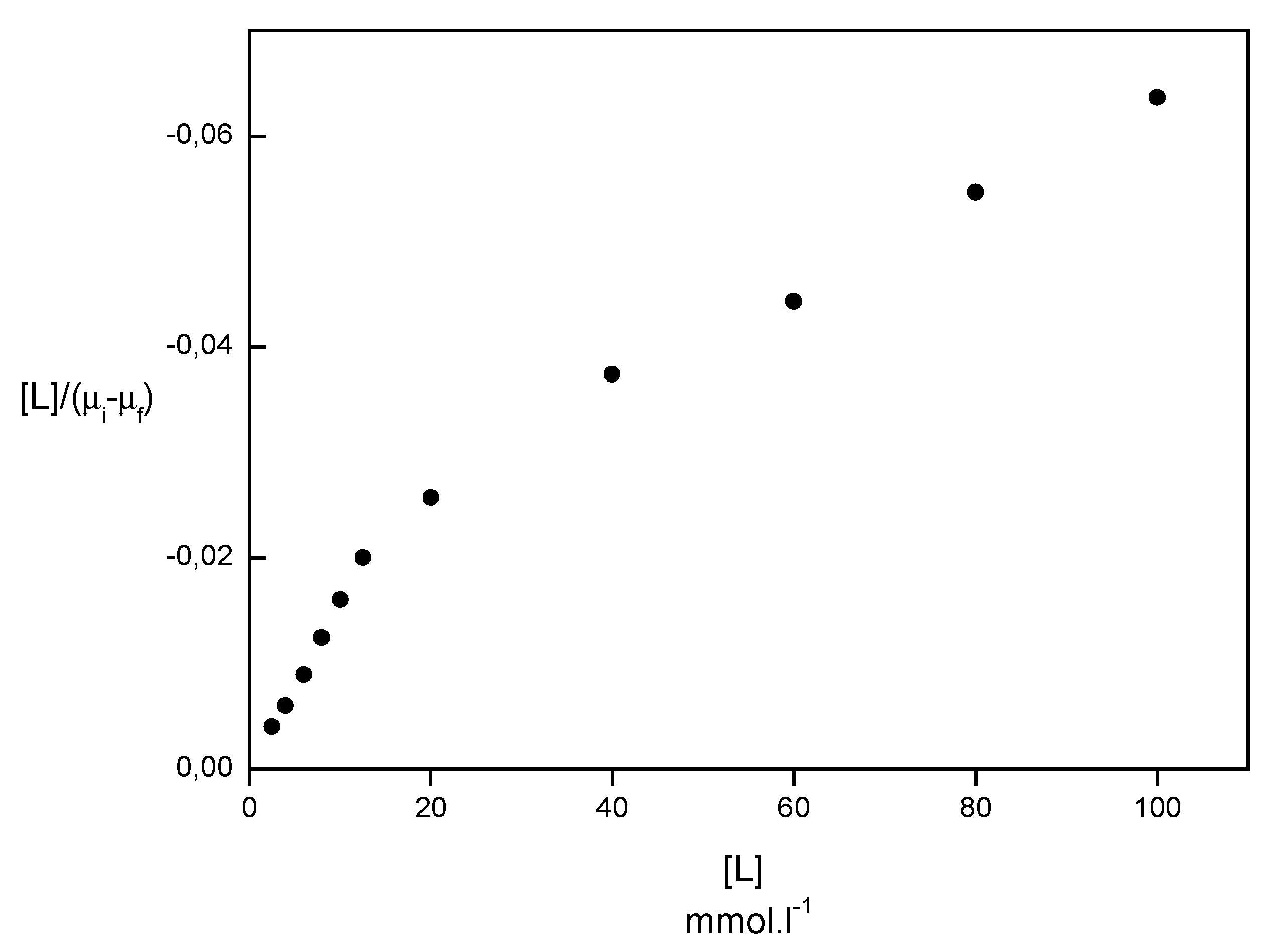
A simple and general method suitable for the determination of cyclodextrin content in various matrices is described. The proposed method involves selective cleavage of C-C bonds with vicinal hydroxyl groups by means of periodate (Malaprade’s reaction). The amount of produced iodate is monitored by capillary electrophoresis, Optimized electrophoretic conditions (20 mM disodium tetraborate with 1 …

Determination of cyclodextrin content using periodate oxidation by capillary electrophoresis Read More »