Keyword Author: oxidation

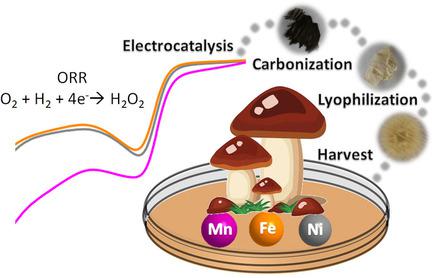
A Metal-Doped Fungi-Based Biomaterial for Advanced Electrocatalysis

Nature and its highly sophisticated biomaterials are an endless source of inspiration for engineers and scientists across a wide range of disciplines. During the last decade, concepts of bioinspired synthesis of hierarchically structured nano- and micromaterials have been attracting increasing attention. In this article, we have utilized the natural ability of fungi to absorb metal …

A Metal-Doped Fungi-Based Biomaterial for Advanced Electrocatalysis Read More »
Graphene Oxide: Carbocatalyst or Reagent?

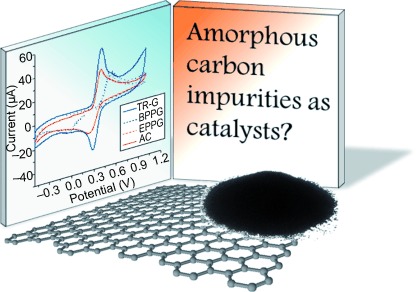
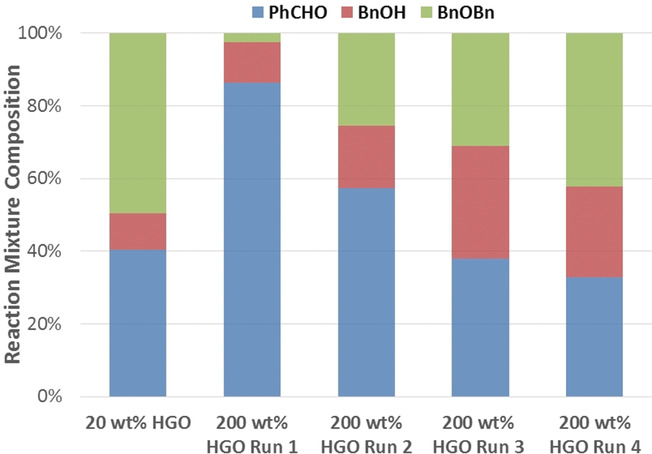
Metal-free heterogeneous carbon-based materials have the potential to facilitate a wide range of organic transformations in an economical and environmentally-friendly manner. However, the mechanism of their action is often obfuscated by their ill-defined nature, so careful analysis of the reaction products is essential before they can be labelled “catalysts” in accordance with the IUPAC definition. …

Graphene Oxide: Carbocatalyst or Reagent? Read More »

Synthesis of Graphene Oxide by Oxidation of Graphite with Ferrate(VI) Compounds: Myth or Reality?

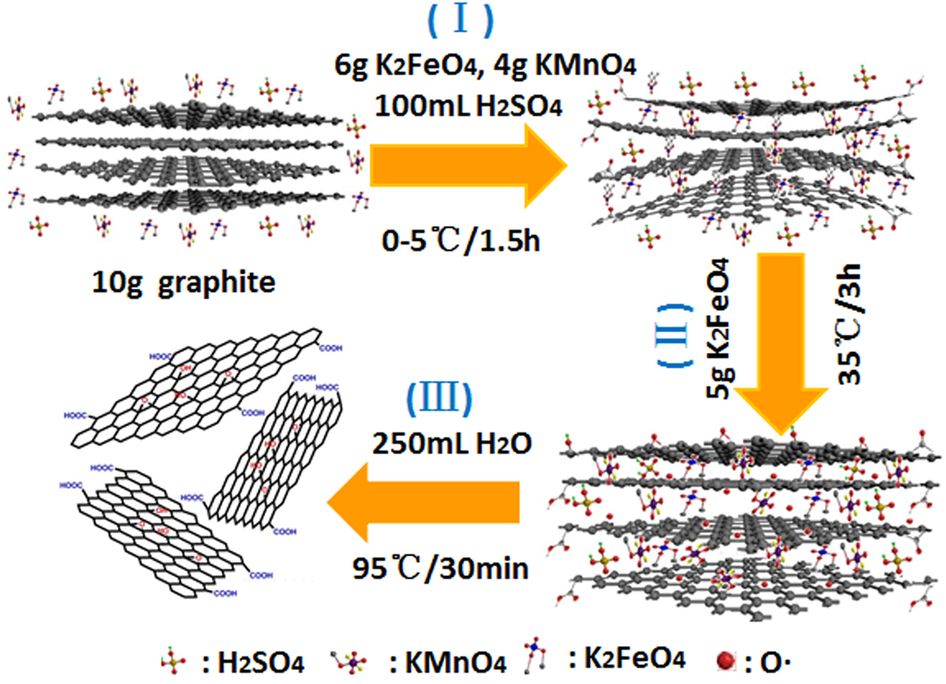
It is well established that graphene oxide can be prepared by the oxidation of graphite using permanganate or chlorate in an acidic environment. Recently, however, the synthesis of graphene oxide using potassium ferrate(VI) ions has been reported. Herein, we critically replicate and evaluate this new ferrate(VI) oxidation method. In addition, we test the use of …

Synthesis of Graphene Oxide by Oxidation of Graphite with Ferrate(VI) Compounds: Myth or Reality? Read More »

Effect of Electrolyte pH on the Inherent Electrochemistry of Layered Transition-Metal Dichalcogenides (MoS2, MoSe2, WS2, WSe2)

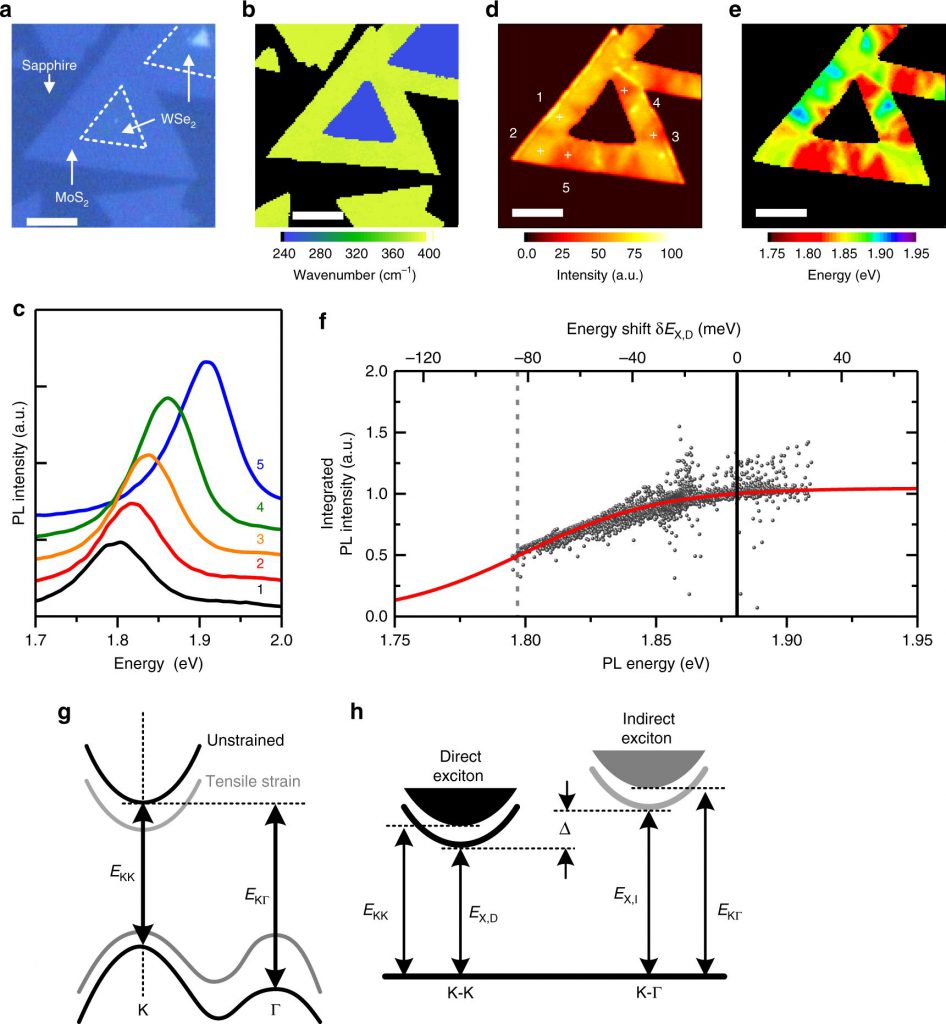
We set forth to investigate the changes in the inherent oxidative peaks of different transition-metal dichalcogenides (TMDs), namely MoS2, MoSe2, WS2, and WSe2, at different electrolyte pH values. Changing the pH of the electrolyte was found to influence and affect the inherent oxidation of TMDs, more noticeably the peak position. This could be attributed to …

Effect of Electrolyte pH on the Inherent Electrochemistry of Layered Transition-Metal Dichalcogenides (MoS2, MoSe2, WS2, WSe2) Read More »

Geographical and Geological Origin of Natural Graphite Heavily Influence the Electrical and Electrochemical Properties of Chemically Modified Graphenes

Natural graphite is an important precursor for the production of chemically modified graphenes in bulk quantities for electrochemical applications. These natural graphites have varying fundamental properties due to the different geological processes and environments at their points of origin, which are expected to affect their chemical reactivity and hence the properties of the derived graphene …

Geographical and Geological Origin of Natural Graphite Heavily Influence the Electrical and Electrochemical Properties of Chemically Modified Graphenes Read More »

Synthesis of Strongly Fluorescent Graphene Quantum Dots by Cage-Opening Buckminsterfullerene

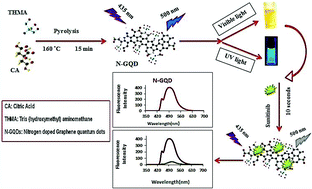
Graphene quantum dots is a class of graphene nanomaterials with exceptional luminescence properties. Precise dimension control of graphene quantum dots produced by chemical synthesis methods is currently difficult to achieve and usually provides a range of sizes from 3 to 25 nm. In this work, fullerene-C-60 is used as starting Material, due to its well-defined …

Synthesis of Strongly Fluorescent Graphene Quantum Dots by Cage-Opening Buckminsterfullerene Read More »

Chemical Preparation of Graphene Materials Results in Extensive Unintentional Doping with Heteroatoms and Metals

Chemical synthesis of graphene relies on the usage of various chemical reagents. The initial synthesis step, in which graphite is oxidized to graphite oxide, is achieved by a combination of chemical oxidants and acids. A subsequent chemical reduction step eliminates/reduces most oxygen functionalities to yield graphene. We demonstrate here that these chemical treatments significantly contaminate …

Chemical Preparation of Graphene Materials Results in Extensive Unintentional Doping with Heteroatoms and Metals Read More »

Graphene Oxides: Transformations in Natural Waters over a Period of Three Months

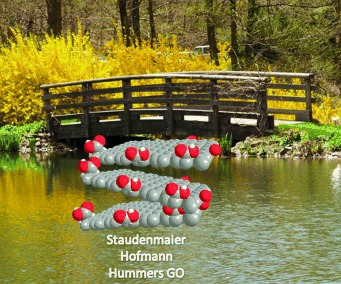
Graphene oxide (GO), a derivative of graphene consisting of various oxygen moieties, has gained popularity owing to its excellent physiochemical properties and applicability in various fields. GO nanomaterials can be synthesized by using Hofmann (HO), Hummers (HU), and Staudenmaier (ST) methods of oxidative treatment of graphite to give GO-HO, GO-HU, and GO-ST, respectively. These GO …

Graphene Oxides: Transformations in Natural Waters over a Period of Three Months Read More »

Carcinogenic Organic Residual Compounds Readsorbed on Thermally Reduced Graphene Materials are Released at Low Temperature

The preliminary oxidation of graphite to graphite oxide followed by a thermal exfoliation is one of the methods most frequently employed in the preparation of graphene. Such thermally reduced graphene can be widely used for several applications that range from coatings to sensing device fabrication. It is therefore important to investigate in detail the fabrication …

Carcinogenic Organic Residual Compounds Readsorbed on Thermally Reduced Graphene Materials are Released at Low Temperature Read More »

Graphite Oxides: Effects of Permanganate and Chlorate Oxidants on the Oxygen Composition

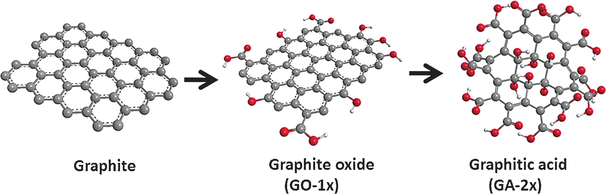
Research on graphene materials has refocused on graphite oxides (GOs) in recent years. The fabrication of GO is commonly accomplished by using concentrated sulfuric acid in conjunction with: a) fuming nitric acid and KClO3 oxidant (Staudenmaier); b) concentrated nitric acid and KClO3 oxidant (Hofmann); c) sodium nitrate for in situ production of nitric acid in …

Graphite Oxides: Effects of Permanganate and Chlorate Oxidants on the Oxygen Composition Read More »

Oxidation of DNA bases is influenced by their position in the DNA strand

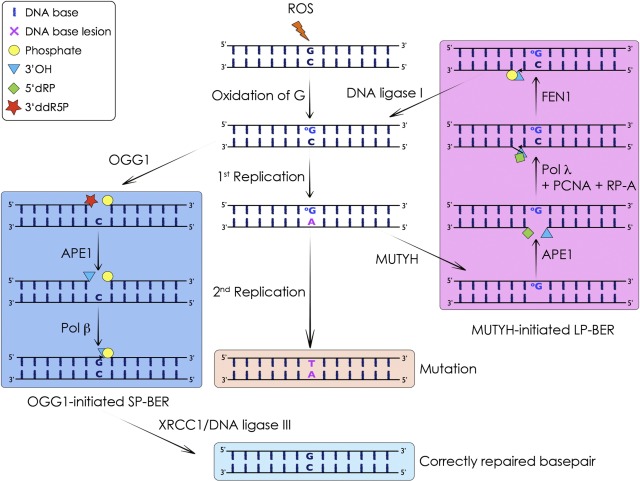
Electrochemical detection of DNA is an important field of research, with strong implications for next generation diagnostics. In this paper, we show that the electrochemical responses of DNA bases (guanine, adenine, thymine, cytosine) in terms of peak potentials and peak current may be influenced by the sequences of an oligomer at standard glassy carbon (GC), …

Oxidation of DNA bases is influenced by their position in the DNA strand Read More »

Oxidation of DNA Bases Influenced by the Presence of Other Bases

Electrochemical detection of DNA is a highly important topic. Here we show that the electrochemical responses of one DNA base (guanine, adenine, cytosine or thymine), in terms of oxidation potential, current intensity, peak width and resolution can be highly influenced by the presence of other DNA bases at electrochemically reduced graphene oxide (ER-GO) as well …

Oxidation of DNA Bases Influenced by the Presence of Other Bases Read More »