Keyword Author: nanorobots

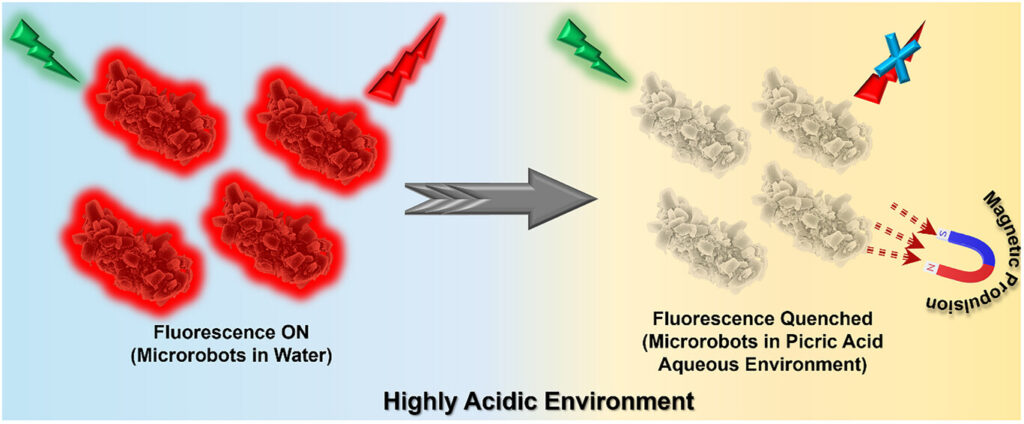
Molecularly Engineered Fluorescent Magnetic Microrobots for Sensing High-Energy Nitroaromatic Explosives in Highly Acidic Aqueous Environments

Among various analytical sensing approaches currently in use, fluorescence sensing is known for its high sensitivity, rapid response, and applicability in monitoring a wide range of target molecules. Pairing an appropriate navigation system with a fluorescent molecule that can carry it to inaccessible or hard-to-reach environments can pave the way for remote and selective sensing …
Molecularly Engineered Fluorescent Magnetic Microrobots for Sensing High-Energy Nitroaromatic Explosives in Highly Acidic Aqueous Environments Read More »

Virus Enhanced Microrobots for Biofilm Eradication

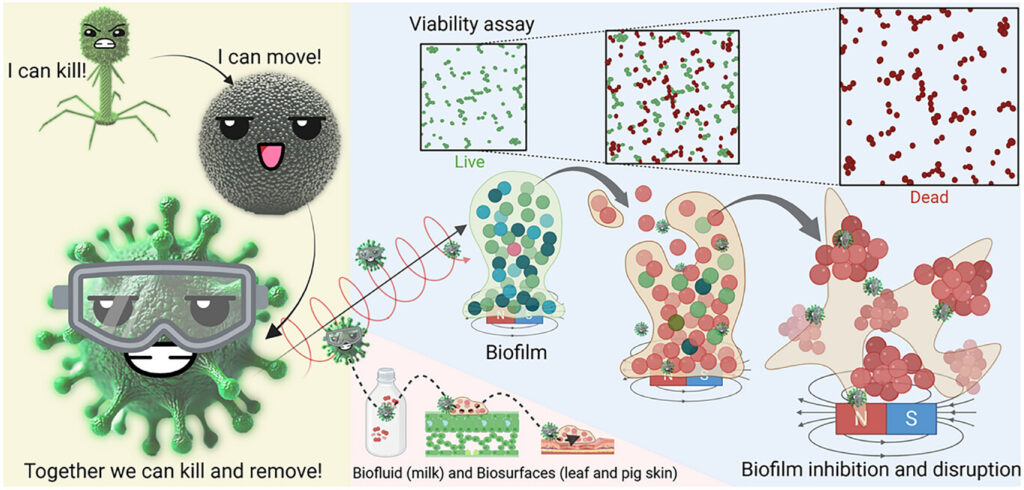
Biofilms pose significant challenges in biomedical, industrial, and environmental applications due to their inherent resistance to antimicrobial agents. This study introduced an innovative and effective strategy for biofilm eradication by employing virus-conjugated microrobots (virus@microbots). These biofunctionalized microrobots are synthesized via the hydrothermal method, followed by the functionalization of the viruses. The synergy of microrobots’ active …

Virus Enhanced Microrobots for Biofilm Eradication Read More »

Single-Atom Colloidal Nanorobotics Enhanced Stem Cell Therapy for Corneal Injury Repair

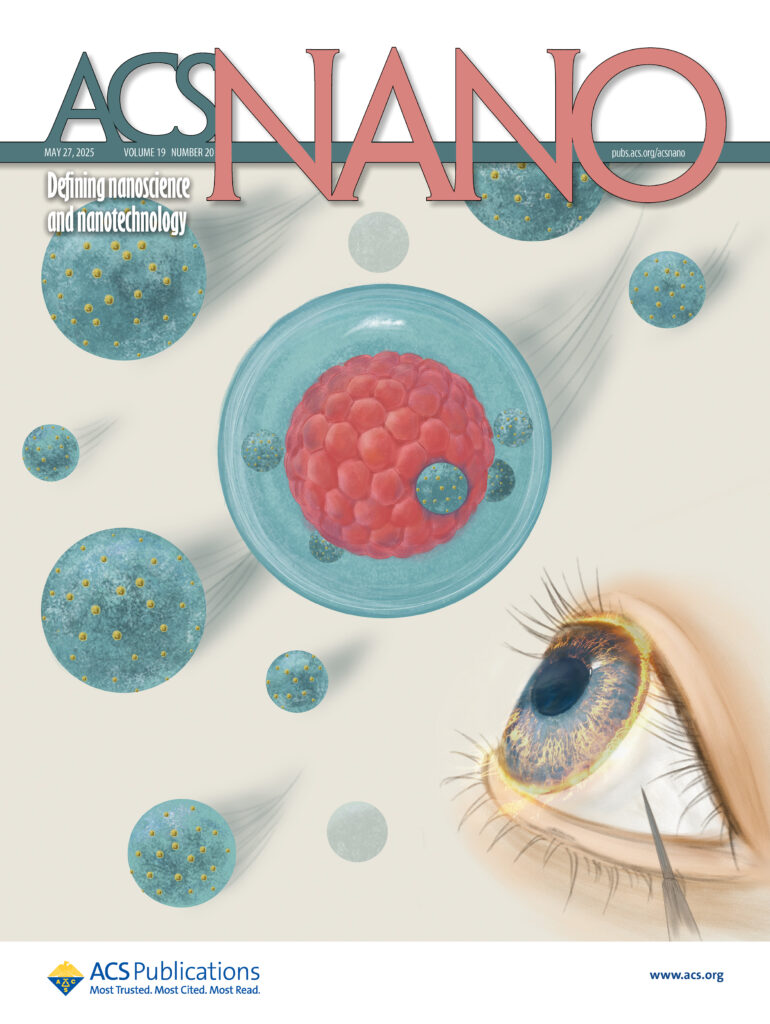
Corneal repair using mesenchymal stem cell therapy faces challenges due to long-term cell survival issues. Here, we design cerium oxide with gold single-atom-based nanorobots (CeSAN-bots) for treating corneal damage in a synergistic combination with stem cells. Powered by glucose, CeSAN-bots exhibit enhanced diffusion and active motion due to the cascade reaction catalyzed by gold and …

Single-Atom Colloidal Nanorobotics Enhanced Stem Cell Therapy for Corneal Injury Repair Read More »

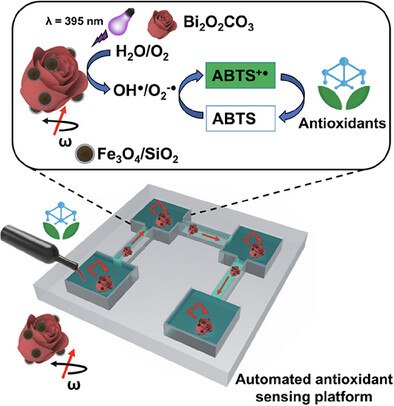
High-throughput Photoactive Magnetic Microrobots for Food Quality Control

Ensuring food quality and safety according to stringent global standards requires analytical procedures that are accurate, cost-effective, and efficient. This present innovative high-throughput microrobots designed for the detection of antioxidants in food samples. These microrobots consist of photocatalytic bismuth subcarbonate anchored on silica-coated magnetite nanoparticles. Upon exposure to UV light, they generate reactive oxygen species …

High-throughput Photoactive Magnetic Microrobots for Food Quality Control Read More »

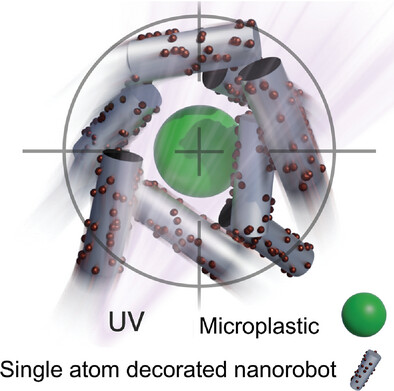
Precision Engineering of Nanorobots: Toward Single Atom Decoration and Defect Control for Enhanced Microplastic Capture

Nanorobots are being received with a great attention for their move-sense-and-act capabilities that often originate from catalytic decomposition of fuels. In the past decade, single-atom engineering has demonstrated exceptional efficiency in catalysis, energy-related technologies, and medicine. Here, a novel approach involving point defect engineering and the incorporation of platinum (Pt) single atoms and atomic level …

Precision Engineering of Nanorobots: Toward Single Atom Decoration and Defect Control for Enhanced Microplastic Capture Read More »

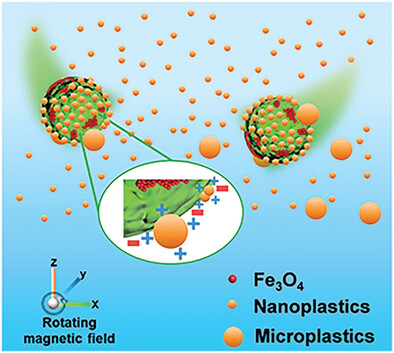
Biohybrid Magnetically Driven Microrobots for Sustainable Removal of Micro/Nanoplastics from the Aquatic Environment

The proliferation of micro/nanoplastics derived from the fragmentation of plastic waste released in the environment represents an increasingly alarming issue with adverse implications for aquatic ecosystems worldwide. Conventional approaches for mitigating such contamination are inadequate in removing plastic fragments with exceptionally tiny sizes. Therefore, it is highly urgent to develop efficient strategies to address the …

Biohybrid Magnetically Driven Microrobots for Sustainable Removal of Micro/Nanoplastics from the Aquatic Environment Read More »

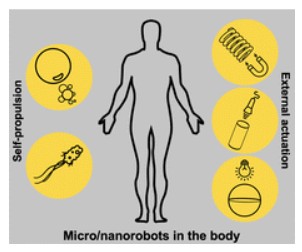
In vivo applications of micro/nanorobots

Untethered robots in the size range of micro/nano-scale offer unprecedented access to hard-to-reach areas of the body. In these challenging environments, autonomous task completion capabilities of micro/nanorobots have been the subject of research in recent years. However, most of the studies have presented preliminary in vitro results that can significantly differ under in vivo settings. …

In vivo applications of micro/nanorobots Read More »

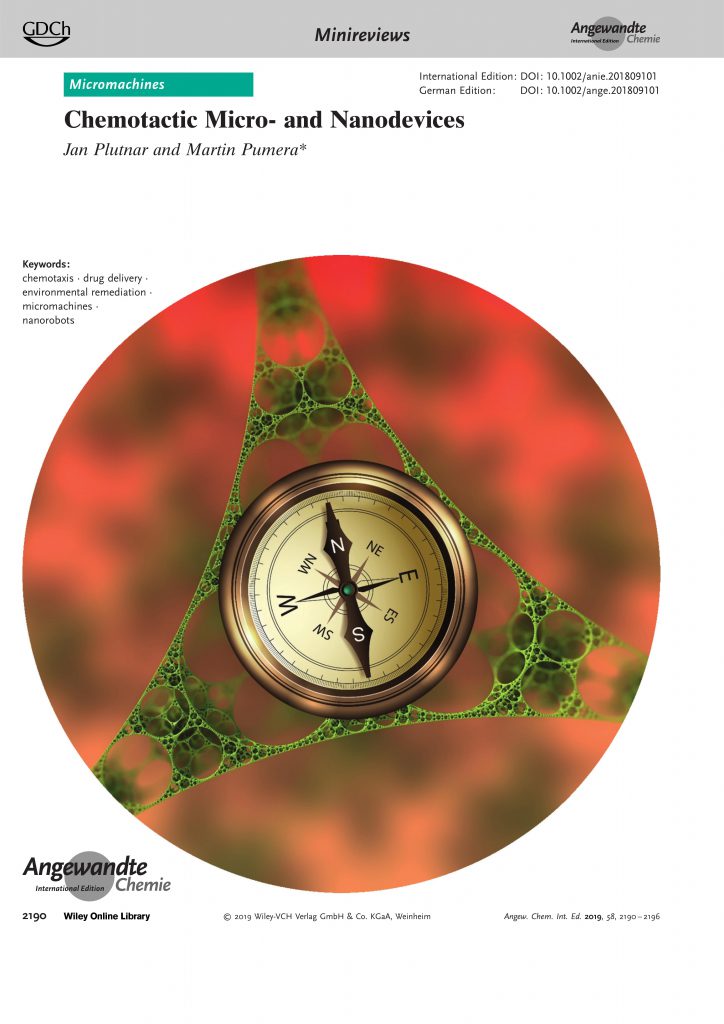
Chemotactic Micro- and Nanodevices

Preparation of autonomous chemotactic micro- and nanomachines represents one of the most difficult challenges of modern materials science. To construct a device mimicking the behavior of many microorganisms, which evolved their chemotactic abilities during the millennia of evolution, places extreme demands on the imagination and abilities of researchers. However, with the chemotactic devices in hand, …

Chemotactic Micro- and Nanodevices Read More »

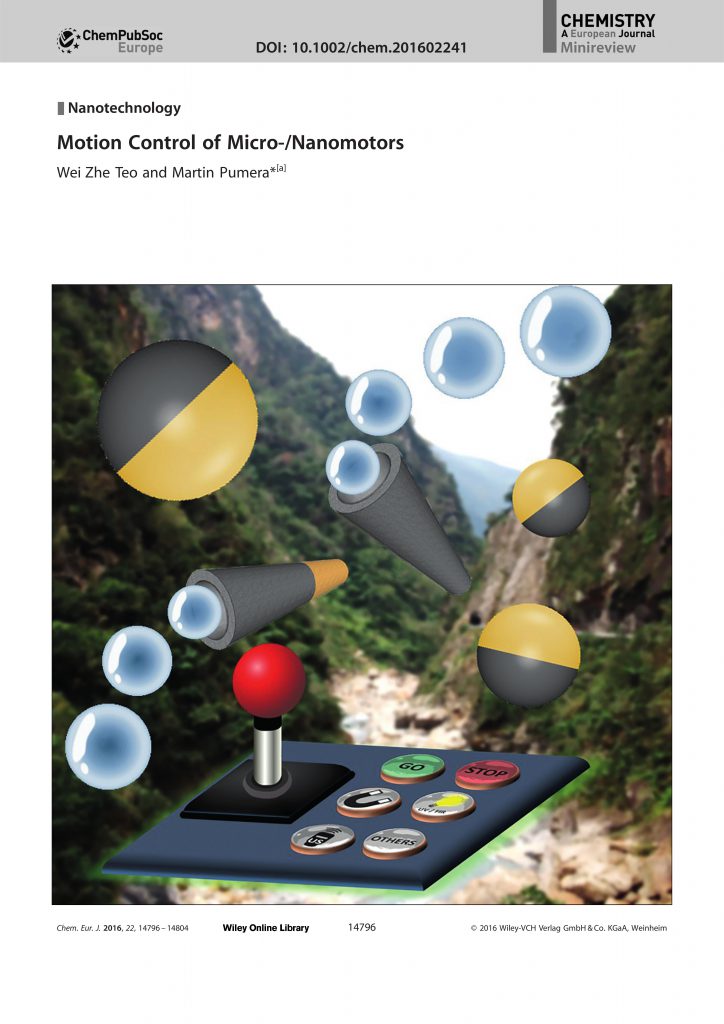
Motion Control of Micro-/Nanomotors

As we progress towards employing self-propelled micro-/nanomotors in envisioned applications such as cargo delivery, environmental remediation, and therapeutic treatments, precise control of the micro-/nanomotors direction and their speed is essential. In this Review, major emerging approaches utilized for the motion control of micro-/nano-motors have been discussed, together with the lastest publications describing these approaches. Future …

Motion Control of Micro-/Nanomotors Read More »

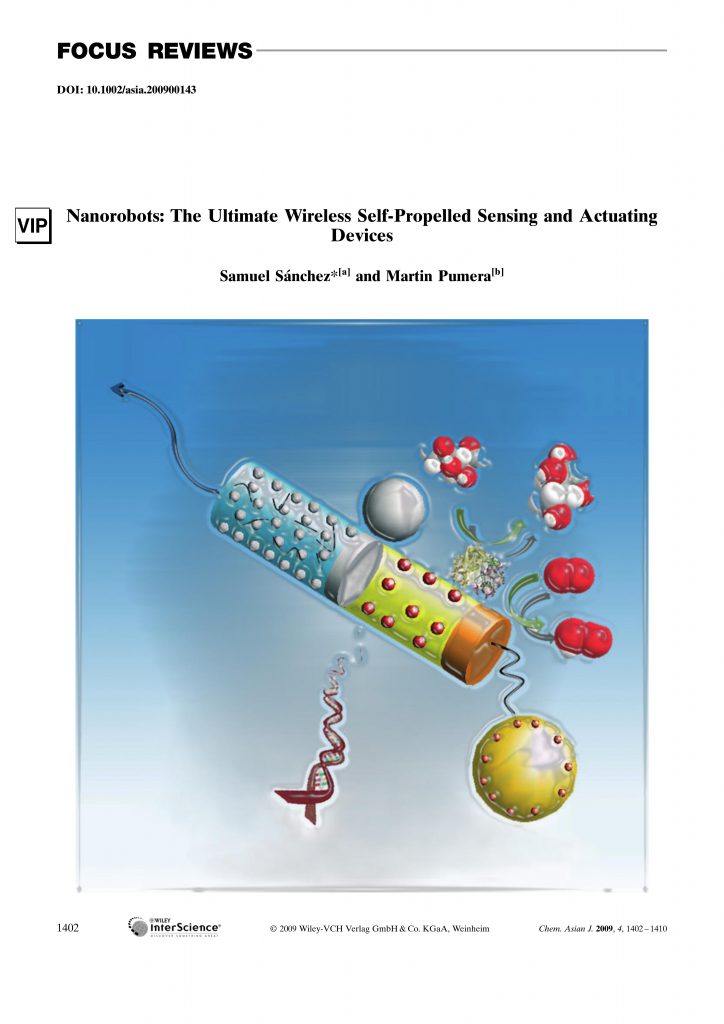
Nanorobots: The Ultimate Wireless Self-Propelled Sensing and Actuating Devices

Natural motor proteins, “bionanorobots,” have inspired researchers to develop artificial nanomachines (nanorobots) able to move autonomously by the conversion of chemical to mechanical energy. Such artificial nanorobots are self-propelled by the electrochemical decomposition of the fuel (up to now, hydrogen peroxide). Several approaches have been developed to provide nanorobots with some functionality, such as for …

Nanorobots: The Ultimate Wireless Self-Propelled Sensing and Actuating Devices Read More »