Keyword Author: micromotors

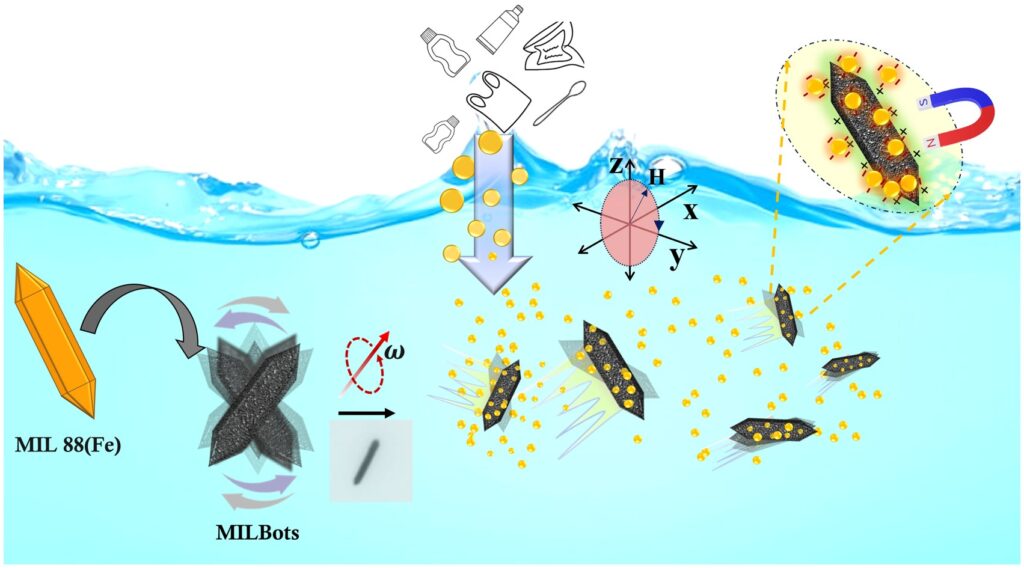
MOF-derived magnetic microrobots for the active capture of nanoplastics

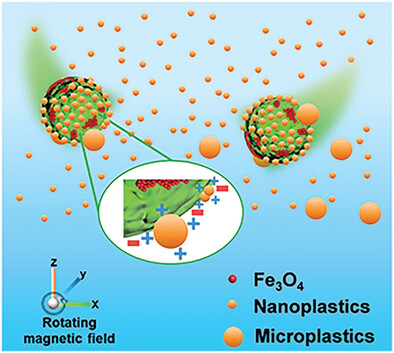
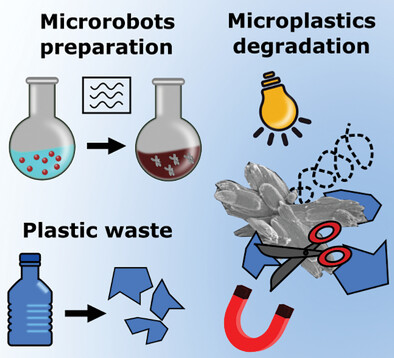
The widespread use of synthetic polymeric products in modern life has led to an uncontrolled presence of micro-/nano-plastics in the ecosystem. Tiny plastic debris are now commonly found in water bodies, posing potential threats to the well-being of living organisms. Among various water remediation methods, adsorption stands out as a safe and effective strategy for …

MOF-derived magnetic microrobots for the active capture of nanoplastics Read More »
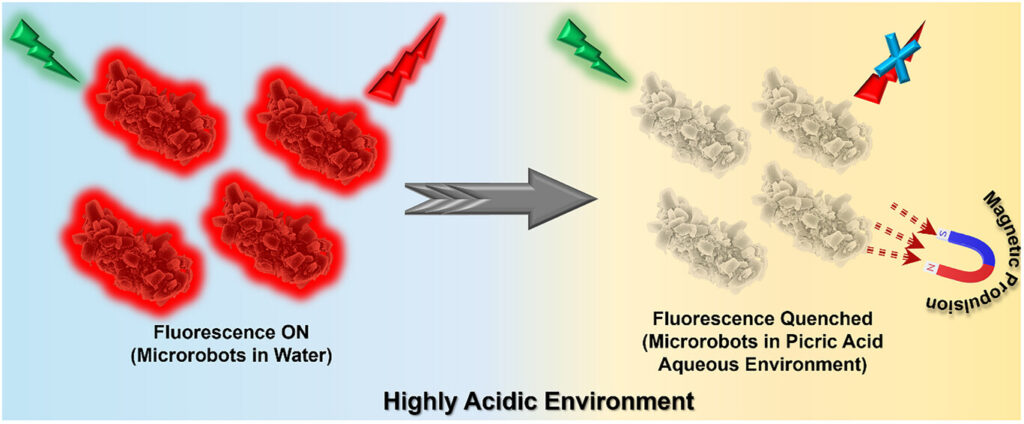
Molecularly Engineered Fluorescent Magnetic Microrobots for Sensing High-Energy Nitroaromatic Explosives in Highly Acidic Aqueous Environments

Among various analytical sensing approaches currently in use, fluorescence sensing is known for its high sensitivity, rapid response, and applicability in monitoring a wide range of target molecules. Pairing an appropriate navigation system with a fluorescent molecule that can carry it to inaccessible or hard-to-reach environments can pave the way for remote and selective sensing …

Molecularly Engineered Fluorescent Magnetic Microrobots for Sensing High-Energy Nitroaromatic Explosives in Highly Acidic Aqueous Environments Read More »

Active Microrobots for Dual Removal of Biofilms via Chemical and Physical Mechanisms

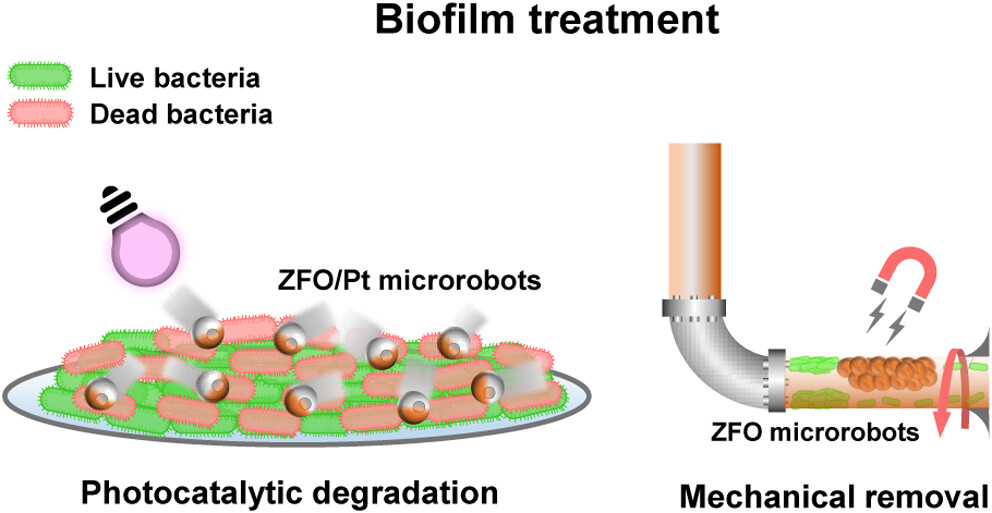
Bacterial biofilms are complex multicellular communities that adhere firmly to solid surfaces. They are widely recognized as major threats to human health, contributing to issues such as persistent infections on medical implants and severe contamination in drinking water systems. As a potential treatment for biofilms, this work proposes two strategies: (i) light-driven ZnFe2O4 (ZFO)/Pt microrobots …

Active Microrobots for Dual Removal of Biofilms via Chemical and Physical Mechanisms Read More »

Magnetic Microrobot Swarms with Polymeric Hands Catching Bacteria and Microplastics in Water

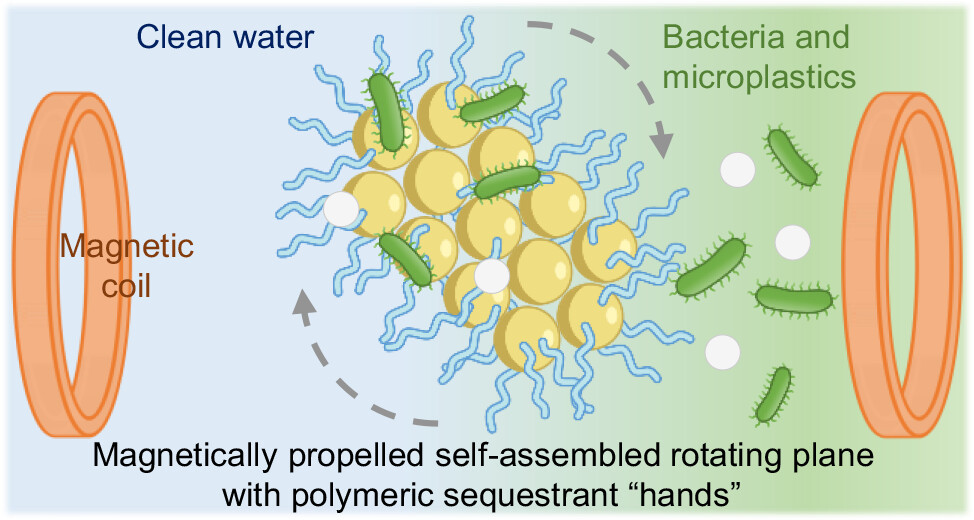
The forefront of micro- and nanorobot research involves the development of smart swimming micromachines emulating the complexity of natural systems, such as the swarming and collective behaviors typically observed in animals and microorganisms, for efficient task execution. This study introduces magnetically controlled microrobots that possess polymeric sequestrant “hands” decorating a magnetic core. Under the influence …

Magnetic Microrobot Swarms with Polymeric Hands Catching Bacteria and Microplastics in Water Read More »

Biohybrid Magnetically Driven Microrobots for Sustainable Removal of Micro/Nanoplastics from the Aquatic Environment

The proliferation of micro/nanoplastics derived from the fragmentation of plastic waste released in the environment represents an increasingly alarming issue with adverse implications for aquatic ecosystems worldwide. Conventional approaches for mitigating such contamination are inadequate in removing plastic fragments with exceptionally tiny sizes. Therefore, it is highly urgent to develop efficient strategies to address the …

Biohybrid Magnetically Driven Microrobots for Sustainable Removal of Micro/Nanoplastics from the Aquatic Environment Read More »

Light-Powered Self-Adaptive Mesostructured Microrobots for Simultaneous Microplastics Trapping and Fragmentation via in situ Surface Morphing

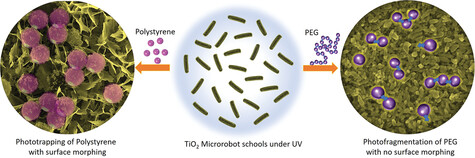
Microplastics, which comprise one of the omnipresent threats to human health, are diverse in shape and composition. Their negative impacts on human and ecosystem health provide ample incentive to design and execute strategies to trap and degrade diversely structured microplastics, especially from water. This work demonstrates the fabrication of single-component TiO2 superstructured microrobots to photo-trap …

Light-Powered Self-Adaptive Mesostructured Microrobots for Simultaneous Microplastics Trapping and Fragmentation via in situ Surface Morphing Read More »

Photocatalytic Microplastics “On-The-fly” Degradation via Motile Quantum Materials-Based Microrobots

Nano/micro-plastics pollution is an emerging global concern. A variety of biodegradable polymers have been synthesized to enhance the degradation of plastic materials and thereby avoid their accumulation in the environment. However, even biodegradable polymers can accumulate in environments under specific conditions and present a potential hazard. Here, antimony sulfide-based microrobots decorated with magnetite nanoparticles are …

Photocatalytic Microplastics “On-The-fly” Degradation via Motile Quantum Materials-Based Microrobots Read More »

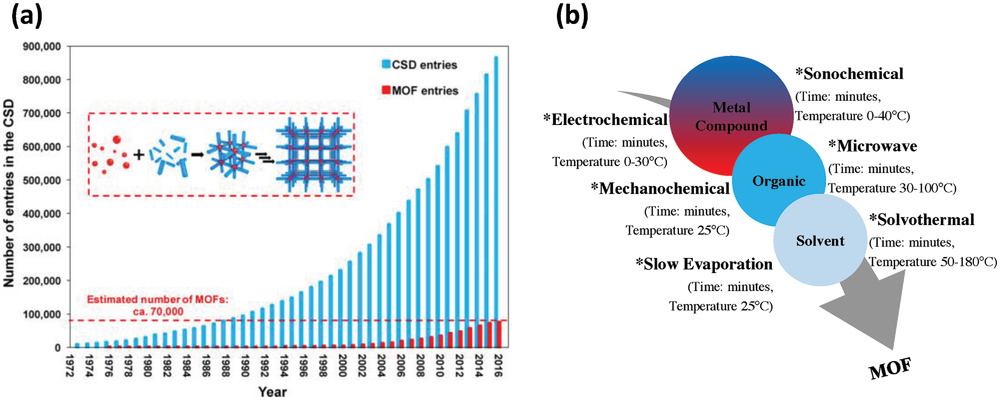
Metal-Organic Frameworks Based Nano/Micro/Millimeter-Sized Self-Propelled Autonomous Machines

Synthetic nano/micro/millimeter-sized machines that harvest energy from the surrounding environment and then convert it to motion have had a significant impact on many research areas such as biology (sensing, imaging, and therapy) and environmental applications. Autonomous motion is a key element of these devices. A high surface area is preferable as it leads to increased …

Metal-Organic Frameworks Based Nano/Micro/Millimeter-Sized Self-Propelled Autonomous Machines Read More »

Ultrafast Electrochemical Trigger Drug Delivery Mechanism for Nanographene Micromachines

Nano/micromachines with autonomous motion are the frontier of nanotechnology and nanomaterial research. These self-propelled nano/micromachines convert chemical energy obtained from their surroundings to propulsion. They have shown great potential in diagnostic and therapeutic applications. This work introduces a high-speed tubular electrically conductive micromachine based on reduced nanographene oxide (n-rGO) as a platform for drug delivery …

Ultrafast Electrochemical Trigger Drug Delivery Mechanism for Nanographene Micromachines Read More »

Micro/Nanomotors for Water Purification

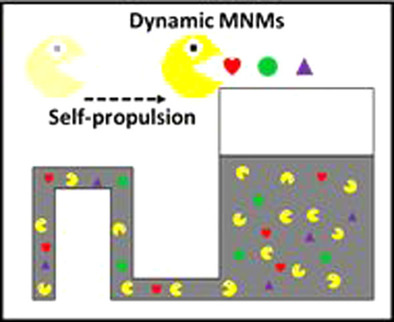
Self-propelled micro/nanomotors are synthetic machines that can convert different sources of energy into motion; at the same time, they are able to serve innovative environmental applications, for example, water purification. The self-propelled micro and nanomachines can rapidly zoom through the solution, carrying catalytic surface or chemical to remove or degrade pollutants in a much faster …

Micro/Nanomotors for Water Purification Read More »

ZnO/ZnO2/Pt Janus Micromotors Propulsion Mode Changes with Size and Interface Structure: Enhanced Nitroaromatic Explosives Degradation under Visible Light

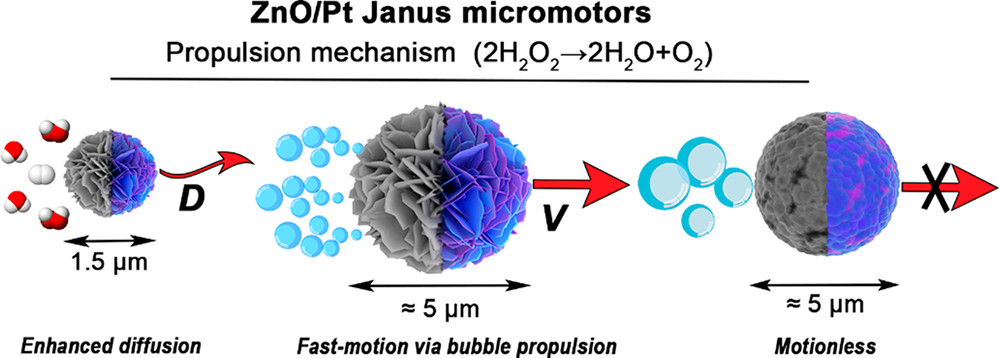
Self-motile mesoporous ZnO/Pt-based Janus micromotors accelerated by bubble propulsion that provide efficient removal of explosives and dye pollutants via photodegradation under visible light are presented. Decomposition of H2O2 (the fuel) is triggered by a platinum catalytic layer asymmetrically deposited on the nanosheets of the hierarchical and mesoporous ZnO microparticles. The size dependent motion behavior of …

ZnO/ZnO2/Pt Janus Micromotors Propulsion Mode Changes with Size and Interface Structure: Enhanced Nitroaromatic Explosives Degradation under Visible Light Read More »

Metal-Free Visible-Light Photoactivated C3N4 Bubble-Propelled Tubular Micromotors with Inherent Fluorescence and On/Off Capabilities

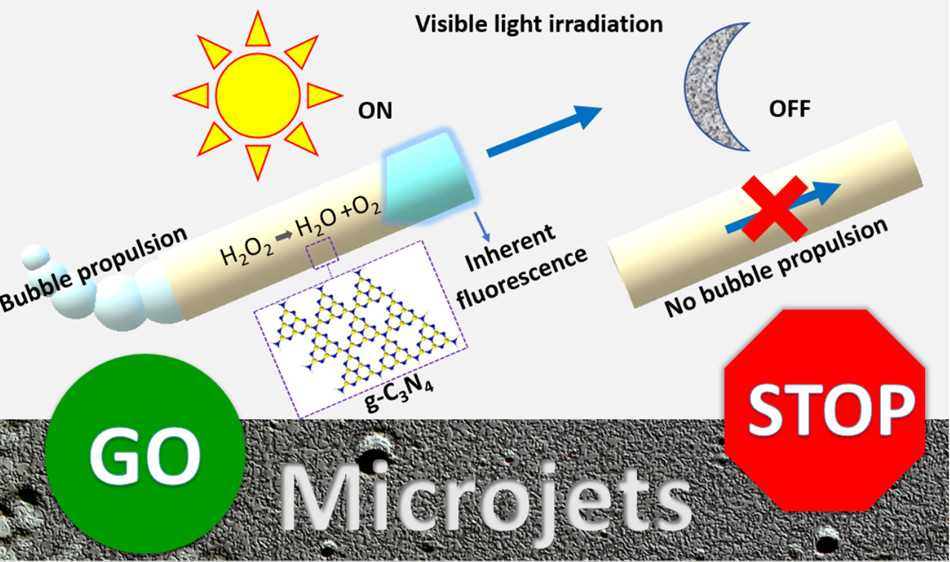
Photoactivated micromachines are at the forefront of the micro- and nanomotors field, as light is the main power source of many biological systems. Currently, this rapidly developing field is based on metal-containing segments, typically TiO2 and precious metals. Herein, we present metal-free tubular micromotors solely based on graphitic carbon nitride, as highly scalable and low-cost …

Metal-Free Visible-Light Photoactivated C3N4 Bubble-Propelled Tubular Micromotors with Inherent Fluorescence and On/Off Capabilities Read More »

Bjerknes Forces in Motion: Long-Range Translational Motion and Chiral Directionality Switching in Bubble-Propelled Micromotors via an Ultrasonic Pathway

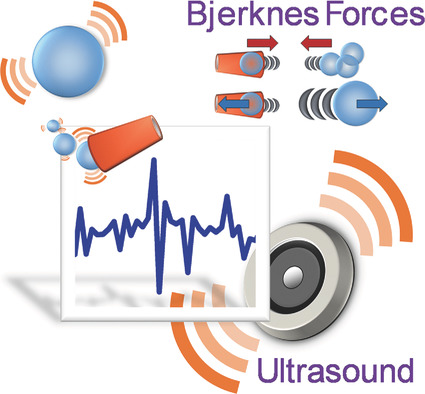
Manipulation of a micromotor’s locomotion has been the ultimate aim of scientists and engineers alike. While numerous roadmaps have been cast, the interswitching of the locomotion and directionality of these miniaturized machines remains elusive. In this report, ultrasound is utilized to produce stop/go motion on bubble-propelled micromotors via Bjerknes forces. An intricate study using high-speed …

Bjerknes Forces in Motion: Long-Range Translational Motion and Chiral Directionality Switching in Bubble-Propelled Micromotors via an Ultrasonic Pathway Read More »

Bioinspired Spiky Micromotors Based on Sporopollenin Exine Capsules

The development of a micromotor with unique spiky morphology based on sporopollenin exine capsules (SECs) is reported here. A widely abundant natural material extracted from sunflower pollen grains, the SECs are physically robust, highly monodisperse microcapsules that are ornamented with spiky appendages, opening the door to exploring bubble generation on this unique biomaterial surface. Partial …

Bioinspired Spiky Micromotors Based on Sporopollenin Exine Capsules Read More »

Motion Control of Micro-/Nanomotors

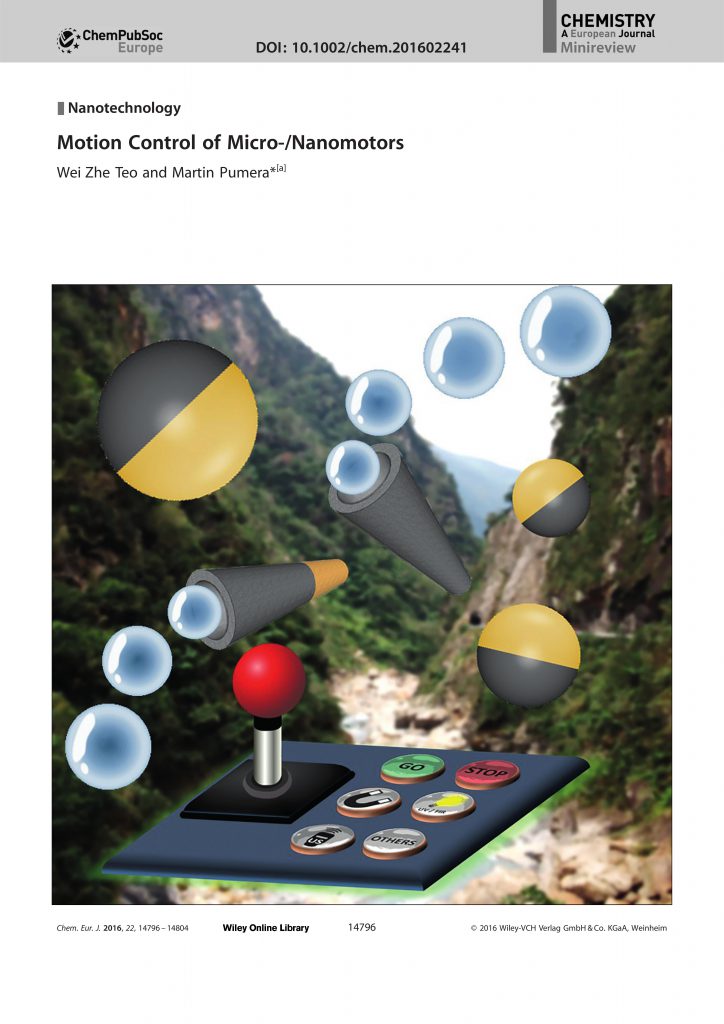
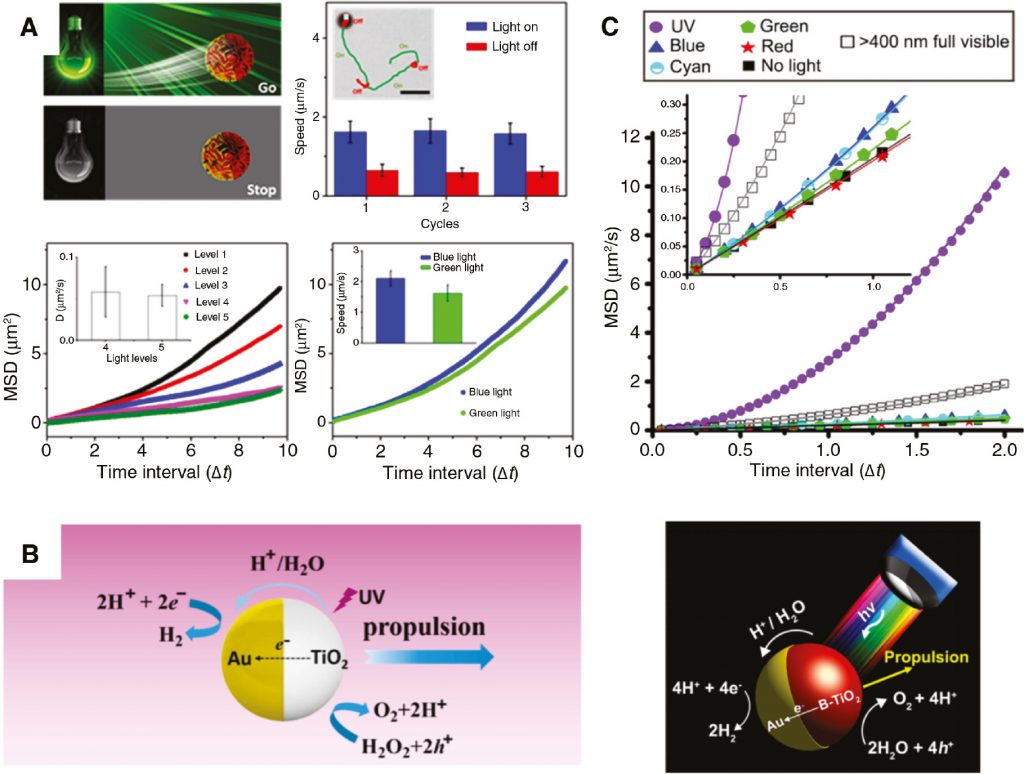
As we progress towards employing self-propelled micro-/nanomotors in envisioned applications such as cargo delivery, environmental remediation, and therapeutic treatments, precise control of the micro-/nanomotors direction and their speed is essential. In this Review, major emerging approaches utilized for the motion control of micro-/nano-motors have been discussed, together with the lastest publications describing these approaches. Future …

Motion Control of Micro-/Nanomotors Read More »

Photochromic Spatiotemporal Control of Bubble-Propelled Micromotors by a Spiropyran Molecular Switch

Controlling the environment in which bubble-propelled micromotors operate represents an attractive strategy to influence their motion, especially when the trigger is as simple as light. We demonstrate that spiropyrans, which isomerize to amphiphilic merocyanines under UV irradiation, can act as molecular switches that drastically affect the locomotion of the micrometer-sized engines. The phototrigger could be …

Photochromic Spatiotemporal Control of Bubble-Propelled Micromotors by a Spiropyran Molecular Switch Read More »

Influence of pH on the Motion of Catalytic Janus Particles and Tubular Bubble-Propelled Micromotors

Self-propelled miniaturized machines harness the chemical potential of their environment for movement. Locomotion of chemically powered micromotors have been hugely dependent on the surroundings. The use of pH to alter the mobility of micromotors is demonstrated in this work through the manipulation of hydrogen peroxide chemistry in different acidity/alkalinity. The sequential addition of sodium hydroxide …

Influence of pH on the Motion of Catalytic Janus Particles and Tubular Bubble-Propelled Micromotors Read More »

Biomimetic Artificial Inorganic Enzyme-Free Self-Propelled Microfish Robot for Selective Detection of Pb2+ in Water

The availability of drinking water is of utmost importance for the world population. Anthropogenic pollutants of water, such as heavy-metal ions, are major problems in water contamination. The toxicity assays used range from cell assays to animal tests. Herein, we replace biological toxicity assays, which use higher organisms, with artificial inorganic self-propelled microtubular robots. The …

Biomimetic Artificial Inorganic Enzyme-Free Self-Propelled Microfish Robot for Selective Detection of Pb2+ in Water Read More »

Blood Proteins Strongly Reduce the Mobility of Artificial Self-Propelled Micromotors

Autonomous self-propelled catalytic microjets are envisaged as an important technology in biomedical applications, including drug delivery, micro/nanosurgery, and active dynamic bioassays. The direct in vivo application of these microjets, specifically in blood, is however impeded by insufficient knowledge on the in vivo viability of the technique. This study highlights the effect of blood proteins on …

Blood Proteins Strongly Reduce the Mobility of Artificial Self-Propelled Micromotors Read More »