Keyword Author: graphene oxide

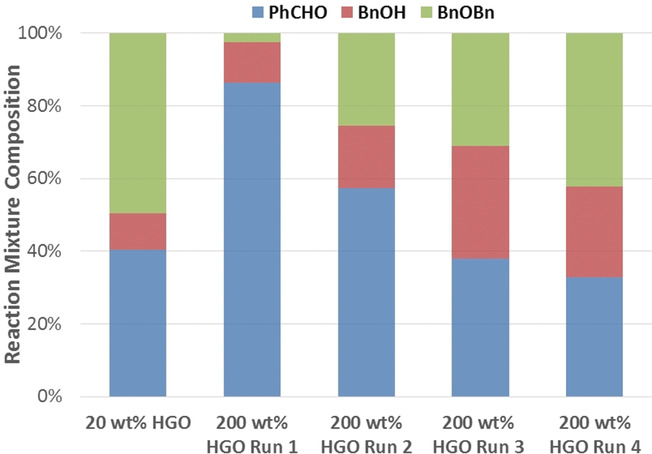
Graphene Oxide: Carbocatalyst or Reagent?

Metal-free heterogeneous carbon-based materials have the potential to facilitate a wide range of organic transformations in an economical and environmentally-friendly manner. However, the mechanism of their action is often obfuscated by their ill-defined nature, so careful analysis of the reaction products is essential before they can be labelled “catalysts” in accordance with the IUPAC definition. …
Graphene Oxide: Carbocatalyst or Reagent? Read More »

Selective Bromination of Graphene Oxide by the Hunsdiecker Reaction

Halogenated graphenes have been attracting great attention in the recent years. The currently used methods are usually non-specific, and halogen groups are randomly distributed over the graphene. Here we demonstrate a selective graphene functionalization based on a well known reaction mechanism-Hunsdiecker reaction-applied on selective bromination of graphene oxide. The chemical analysis using various spectroscopic methods …

Selective Bromination of Graphene Oxide by the Hunsdiecker Reaction Read More »

Concentration of Nitric Acid Strongly Influences Chemical Composition of Graphite Oxide

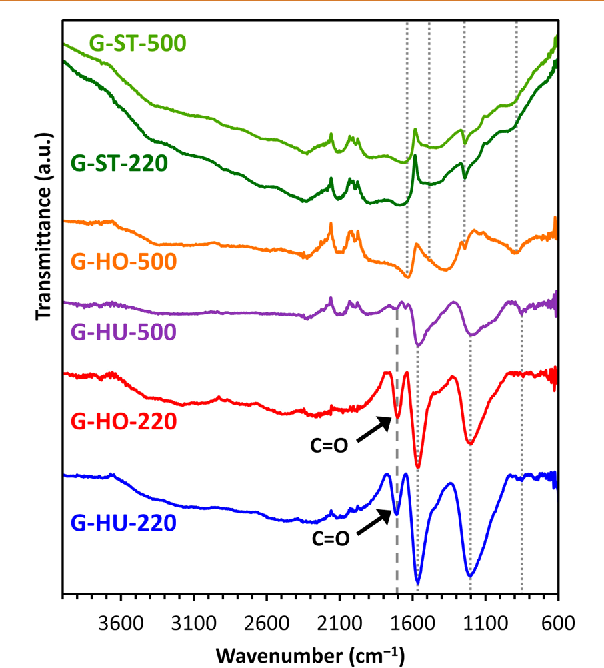
Graphite oxide is the most widely used precursor for the synthesis of graphene through top-down methods. We demonstrate a significant influence of nitric acid concentration on the structure and composition of the graphite oxide prepared by graphite oxidation. In general, two main chlorate-based oxidation methods are currently used for graphite oxide synthesis: the Staudenmaier method …

Concentration of Nitric Acid Strongly Influences Chemical Composition of Graphite Oxide Read More »

Synthesis of Carboxylated-Graphenes by the Kolbe-Schmitt Process

Graphene oxide is an oxidized form of graphene containing a large variety of oxygen groups. Although past models have suggested carboxylic acids to be present in significant amounts, recent evidence has shown otherwise. Toward the production of carboxyl-graphene, a synthetic method is presented herein based on the Kolbe- Schmitt process. A modified procedure of heating …

Synthesis of Carboxylated-Graphenes by the Kolbe-Schmitt Process Read More »

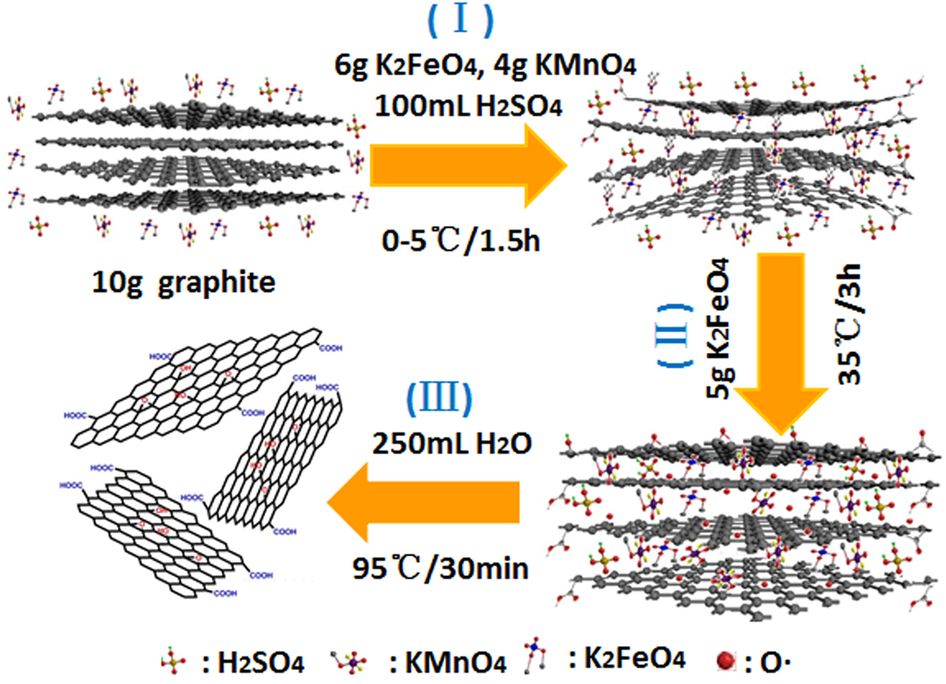
Synthesis of Graphene Oxide by Oxidation of Graphite with Ferrate(VI) Compounds: Myth or Reality?

It is well established that graphene oxide can be prepared by the oxidation of graphite using permanganate or chlorate in an acidic environment. Recently, however, the synthesis of graphene oxide using potassium ferrate(VI) ions has been reported. Herein, we critically replicate and evaluate this new ferrate(VI) oxidation method. In addition, we test the use of …

Synthesis of Graphene Oxide by Oxidation of Graphite with Ferrate(VI) Compounds: Myth or Reality? Read More »

Graphene Oxides Prepared by Hummers’, Hofmann’s, and Staudenmaier’s Methods: Dramatic Influences on Heavy-Metal-Ion Adsorption

Graphene oxide (GO), an up-and-coming material rich in oxygenated groups, shows much promise in pollution management. GO is synthesised using several synthetic routes, and the adsorption behaviour of GO is investigated to establish its ability to remove the heavy-metal pollutants of lead and cadmium ions. The GO is synthesised by Hummers’ (HU), Hofmann’s (HO) and …

Graphene Oxides Prepared by Hummers’, Hofmann’s, and Staudenmaier’s Methods: Dramatic Influences on Heavy-Metal-Ion Adsorption Read More »

Oxidation Debris in Graphene Oxide Is Responsible for Its Inherent Electroactivity

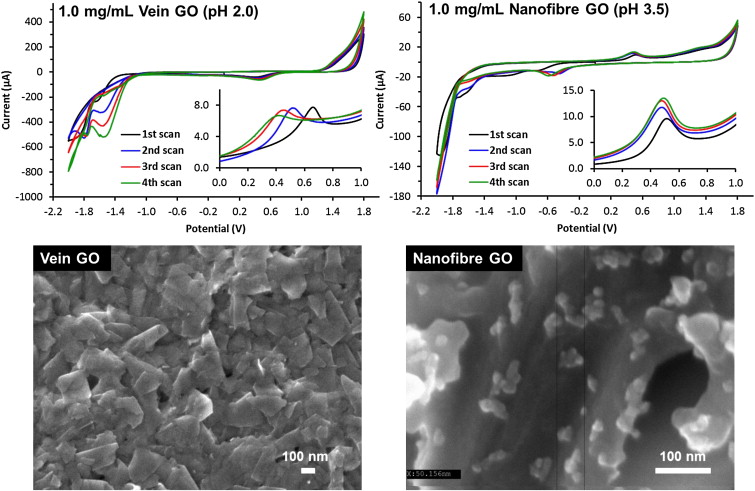
Graphene oxide Is known to exhibit many interesting properties, ranging from inherent fluorescence to inherent electrochemistry, just to name a few. Recent research has found that graphene oxide is a composite material consisting of the so-called “oxidation debris” and unoxidized graphene fragments. Surprisingly, the oxidation debris, which contains small and highly oxidized aromatic fragments adsorbed …

Oxidation Debris in Graphene Oxide Is Responsible for Its Inherent Electroactivity Read More »

Regeneration of a Conjugated sp(2) Graphene System through Selective Defunctionalization of Epoxides by Using a Proven Synthetic Chemistry Mechanism

Graphene is a promising material capable of driving technological advancement. It is, however, a challenge to obtain pristine graphene in large quantities given the limitation of current synthetic methods. Among the numerous methods available, the chemical approach provides an optimistic outlook and has garnered much interest within the graphene community as a potential alternative. One …

Regeneration of a Conjugated sp(2) Graphene System through Selective Defunctionalization of Epoxides by Using a Proven Synthetic Chemistry Mechanism Read More »

Electrochemistry of graphene, graphene oxide and other graphenoids: Review

The electrochemical behaviors of single-, few- and multi-layer graphene, graphene oxides, reduced graphene oxides, CVD graphene and three-dimensional graphene are discussed and critically evaluated, providing an up-to-date summary on the progress of the field. (C) 2013 Elsevier B.V. All rights reserved.

Unusual Inherent Electrochemistry of Graphene Oxides Prepared Using Permanganate Oxidants

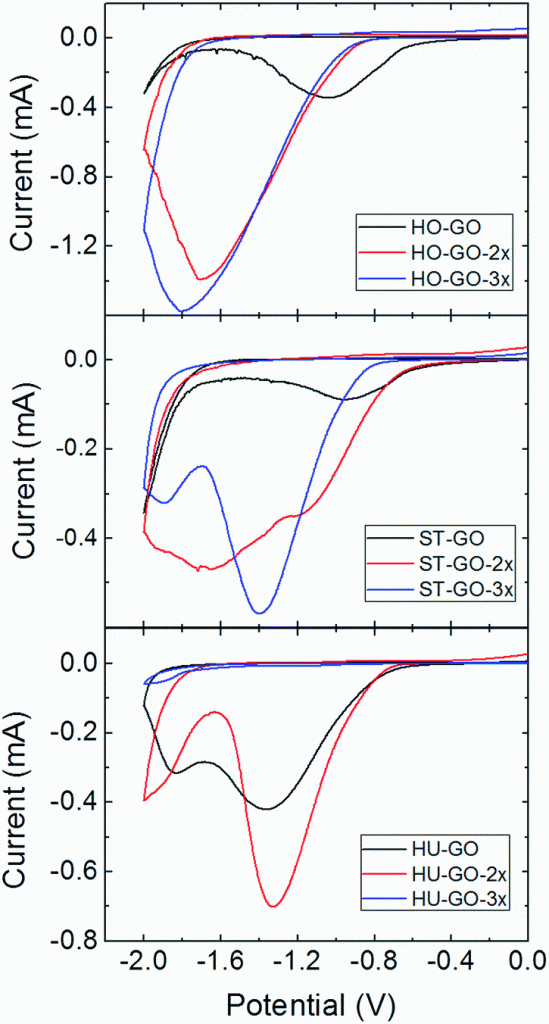
Graphene and graphene oxides are materials of significant interest in electrochemical devices such as supercapacitors, batteries, fuel cells, and sensors. Graphene oxides and reduced graphenes are typically prepared by oxidizing graphite in strong mineral acid mixtures with chlorate (Staudenmaier, Hofmann) or permanganate (Hummers, Tour) oxidants. Herein, we reveal that graphene oxides pose inherent electrochemistry, that …

Unusual Inherent Electrochemistry of Graphene Oxides Prepared Using Permanganate Oxidants Read More »

The Toxicity of Graphene Oxides: Dependence on the Oxidative Methods Used

Graphene, a class of two-dimensional carbon nanomaterial, has attracted extensive interest in recent years, with a significant amount of research focusing on graphene oxides (GOs). They have been primed as potential candidates for biomedical applications such as cell labeling and drug delivery, thus the toxicity and behavior of graphene oxides in biological systems are fundamental …

The Toxicity of Graphene Oxides: Dependence on the Oxidative Methods Used Read More »

High-resolution impedance spectroscopy for graphene characterization

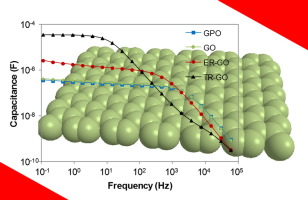
In this work we report a method based on high-resolution electrical impedance spectroscopy able to distinguish between oxidized and reduced graphene platforms. The high sensitivity of the technique coupled with the structural refinement software allowed also the estimation of the thickness of the different chemically modified graphene layers. (C) 2012 Elsevier B.V. All rights reserved.

Inherent Electrochemistry and Activation of Chemically Modified Graphenes for Electrochemical Applications

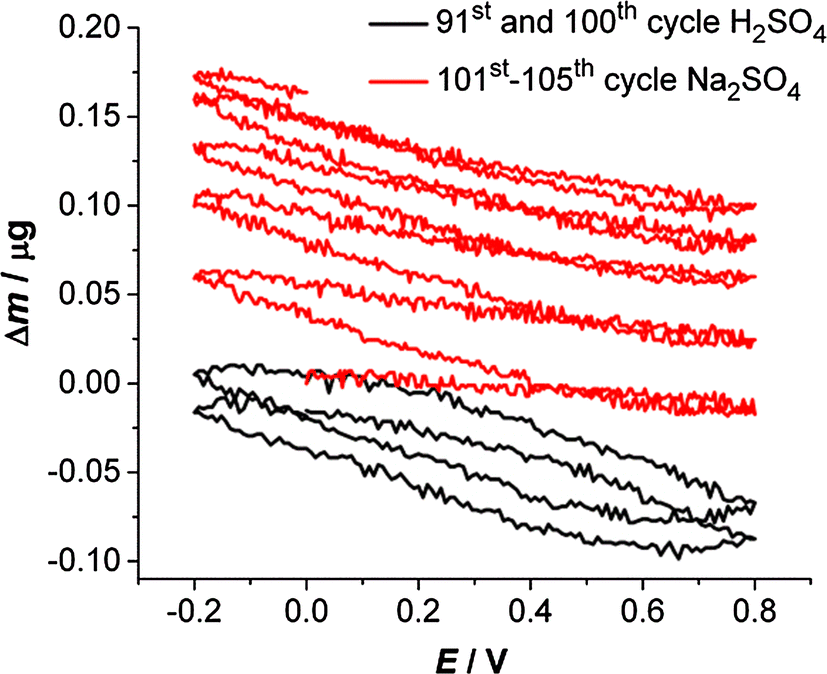
Graphene research is currently at the frontier of electrochemistry. Many different graphene-based materials are employed by electrochemists as electrodes in sensing and in energy-storage devices. Because the methods for their preparation are inherently different, graphene materials are expected to exhibit different electrochemical behaviors depending on the functionalities and density of defects present. Electrochemical treatment of …

Inherent Electrochemistry and Activation of Chemically Modified Graphenes for Electrochemical Applications Read More »

Graphene materials preparation methods have dramatic influence upon their capacitance

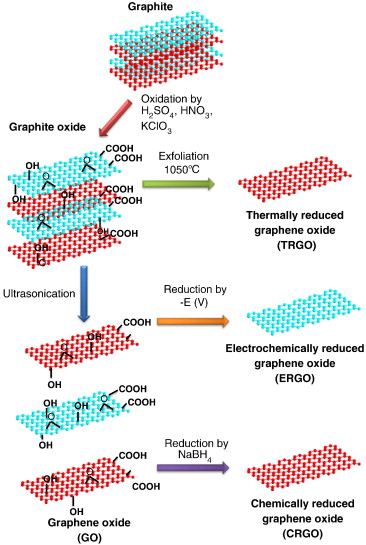
Graphene related materials are widely expected to play a major role as materials for the construction of supercapacitors. We demonstrate here that graphene oxides prepared by various well-established methods exhibit dramatically different capacitances. We exfoliated graphite oxide sonographically to graphene oxide (GO) and we reduced GO by chemical or electrochemical means to chemically reduced graphene …

Graphene materials preparation methods have dramatic influence upon their capacitance Read More »

Electrochemistry at Chemically Modified Graphenes

Electrochemical applications of graphene are of great interest to many researchers as they can potentially lead to crucial technological advancements in fabrication of electrochemical devices for energy production and storage, and highly sensitive sensors. There are many routes towards fabrication of bulk quantities of chemically modified graphenes (CMG) for applications such as electrode materials. Each …

Electrochemistry at Chemically Modified Graphenes Read More »

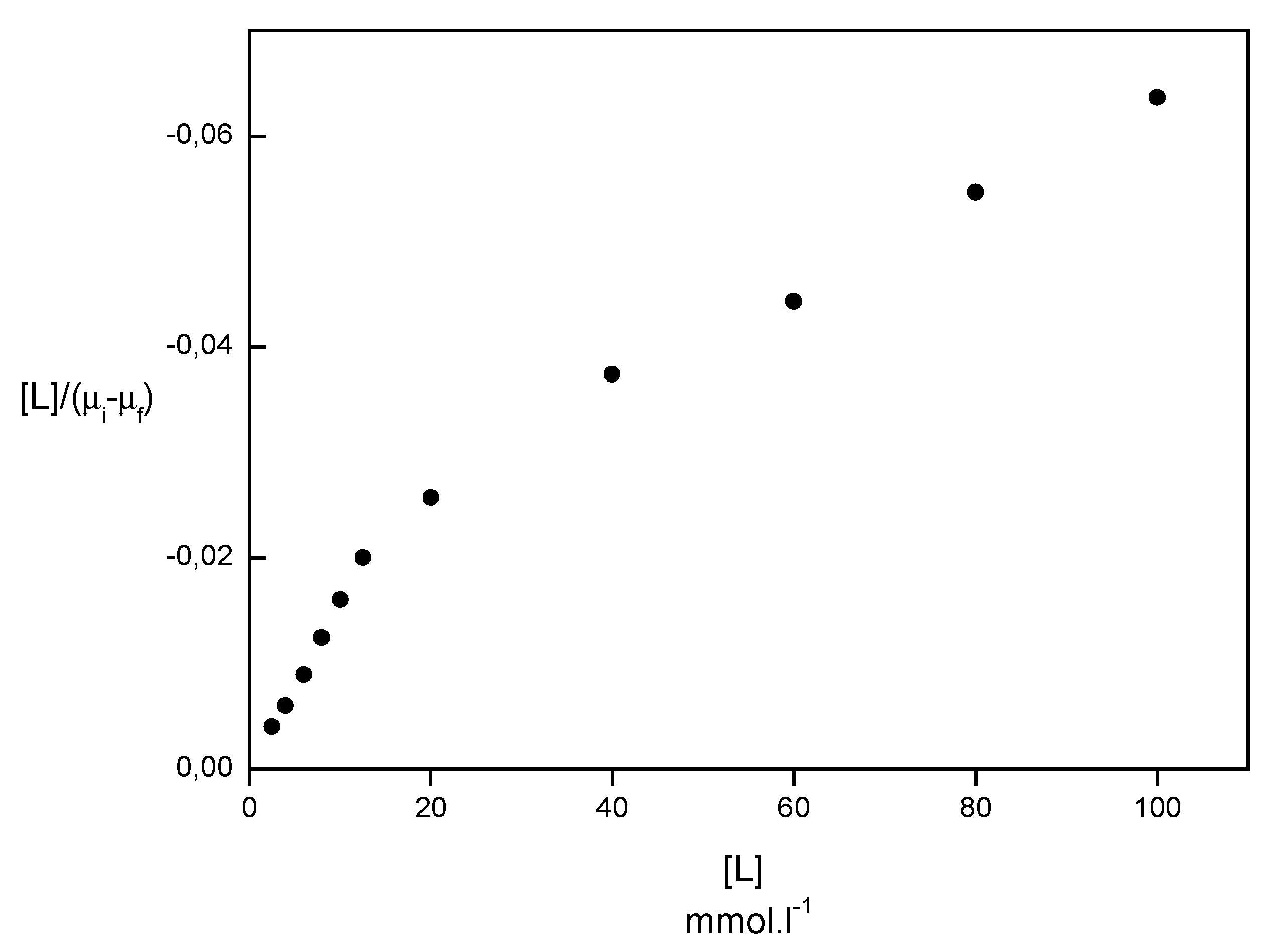
Graphene based nanomaterials as electrochemical detectors in Lab-on-a-chip devices

Graphene related materials have received significant attention as new and advantageous materials for electrochemistry. Here we present an evaluation of graphene oxide amperometric detectors in microfluidics devices and we compare the results to those obtained at graphite microparticles and bare glassy carbon electrodes. We evaluate the influence on peak currents (sensitivity) and peak width (resolution …

Graphene based nanomaterials as electrochemical detectors in Lab-on-a-chip devices Read More »