Keyword Author: Biosensing

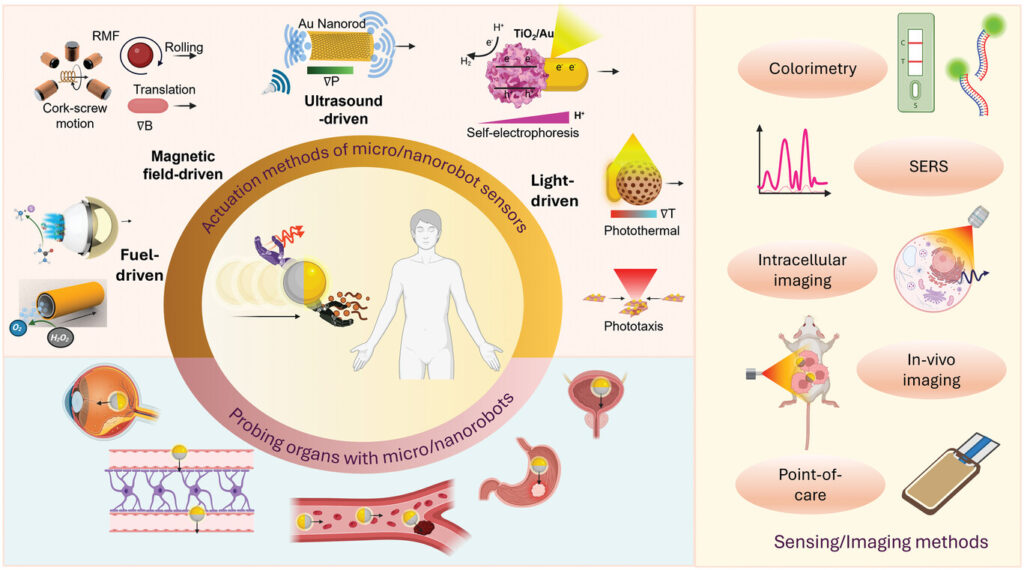
Micro/Nanorobots for Advanced Light-Based Biosensing and Imaging

Sensing and imaging of biomolecules are crucial to disease diagnosis, prognosis, and therapy where optical techniques have essential utility. Untethered and remotely controlled micro/nanorobots have shown promising sensing and imaging capabilities, especially in complex biological environments. In this review, how micro/nanorobots are used for optical biosensing and imaging while highlighting the significant developments in the …

Micro/Nanorobots for Advanced Light-Based Biosensing and Imaging Read More »
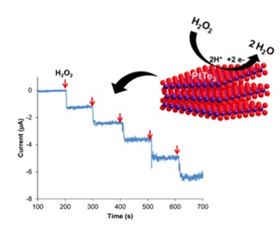
Layered transition-metal dichalcogenides (MoS2 and WS2) for sensing and biosensing

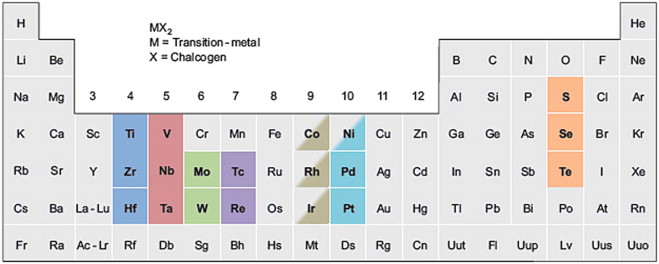
Layered transition-metal dichalcogenides comprise a category of two-dimensional materials that offer exciting properties, including metallic and semi-conducting electrical capabilities, fluorescence and fast heterogeneous electron transfer. To date, these materials have mostly been employed in energy-storage and generation devices. However, in very recent times, there was a significant emerging trend in their utilization in analytical chemistry. …

Layered transition-metal dichalcogenides (MoS2 and WS2) for sensing and biosensing Read More »

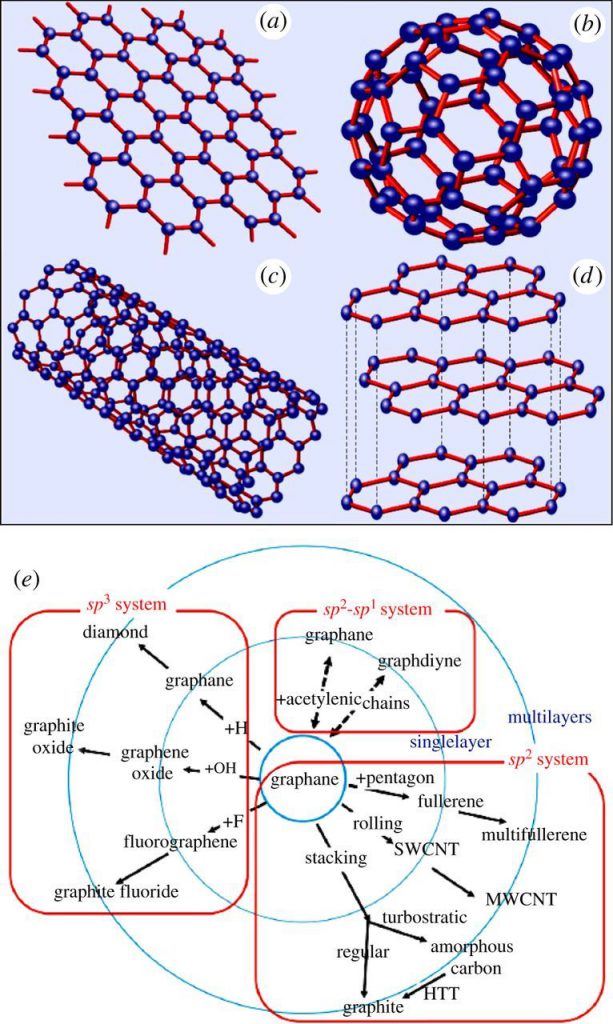
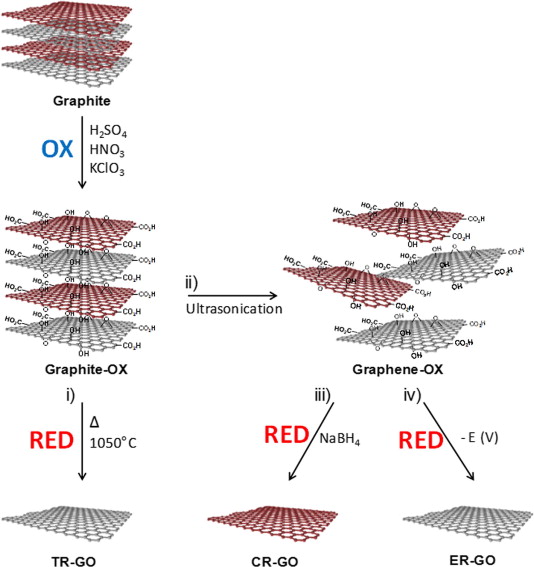
Graphene for impedimetric biosensing

Graphene displays promising features for biosensing applications. Electrochemical impedance spectroscopy (EIS) is a very sensitive, label-free technique that is ideally suited to be coupled with a graphene platform. We discuss recent advances of graphene-based platforms for impedimetric genosensors and immunosensors. We also provide an overview on EIS and the preparation of graphene by different methods, …

Graphene for impedimetric biosensing Read More »