Self-propelled autonomous nanomachines – topic of recent Nobel Prize 2017 – are new paradigm in nanotechnologies. These autonomous nano-devices gather energy from their surrounding, navigate, they are able to swarm and to selectively search for specific cells or chemical species. We work on fundamental research as well on environmental and biomedical aplications of these nanomachines.
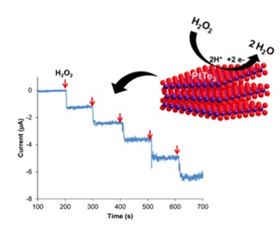
 Electrochemistry is driving force of modern technology – it is in hearth in batteries in cars, supercapacitors in airplanes, in large processes producing clean fuels such as hydrogen or converting pollutants as carbon dioxide and converting them to useful chemicals. We investigate basics of electrocatalysis of materials and we apply this knowledge to improve living conditions of humankind.
 We still have only a very limited understanding of the interactions of nanomaterials with living organisms. We utilize 2D nanomaterials for drug delivery, we study their toxicity and metabolism. The aim of our research in this area is to develop highly targeted cancer therapy.
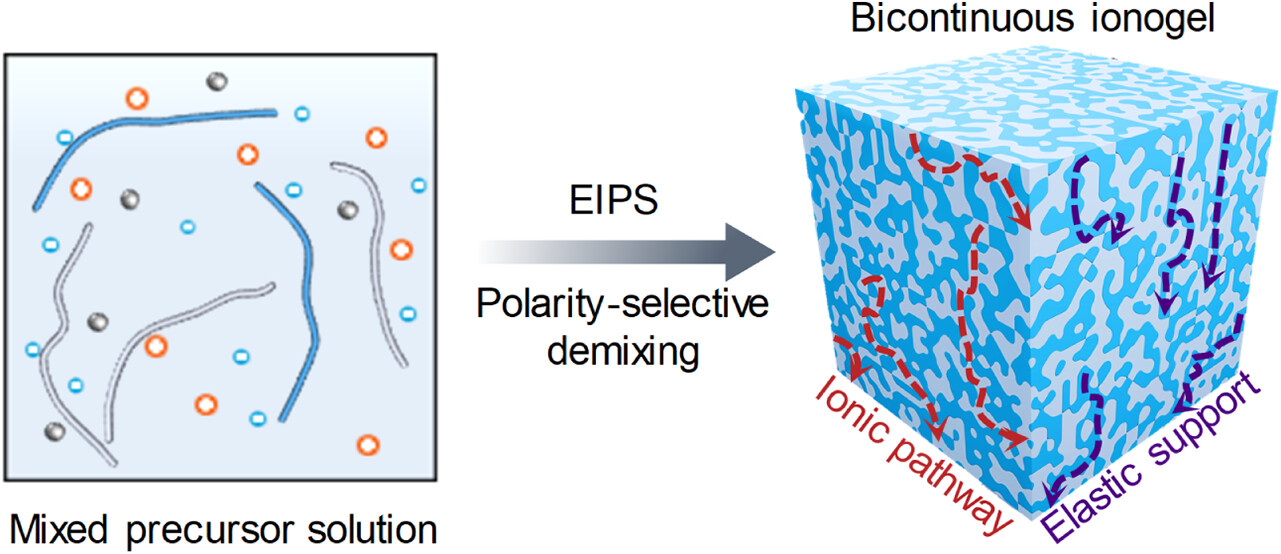
 Wearable flexible electronics, “wearables”, is an extremely important area of future technological development. “Wearables” is not just a smartwatch, but a whole range of wearable devices, including biosensors, implants, biomedical equipment, electrochemical cells utilizing body fluids to power these devices, and super-capacitors. These devices have tremendous potential to improve quality of life and safety. We develop electrochemical wearable sensors and self-powered devices to create a new generation of wearables.
 3D printing has revolutionized the concept of object manufacturing, making an enormous impact on industry and economy. The technology has found a applications in countless fields. It has rendered practical solutions to scientific problems by offering tailored-shaped devices with exquisite control in design and geometry and through the versatility of printable materials. We develop 3D printing for construction of catalytic systems for energy storage and energy generation devices as well for bioanalytical chemistry devices.

Flexible electronics for forest and veterinary health monitoring
Nature Reviews Electrical Engineering 2026
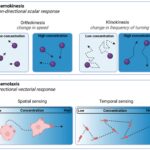
Artificial chemotaxis in micro/nanomotors
Nature Communications 2026
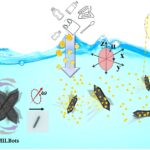
MOF-derived magnetic microrobots for the active capture of nanoplastics
Environmental Science: Nano 2026