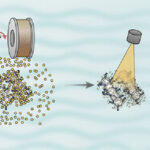
Microrobots for Antibiotic-Resistant Staphylococcus aureus Skin Colony Eradication

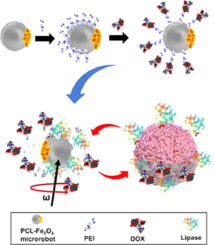
The field of micro/nanorobots is at the forefront of nanotechnology research. Particularly, magnetically propelled micro/nanorobots demonstrate great potential for biomedical applications due to their biocompatibility in biological environments. Herein is a concept of magnetically powered micromachines with a biodegradable polymer and layer containing an incorporated anticancer drug. The microrobot is chemically programmed in such a way that the polymer layer is degraded by the enzymatic activity of lipase, which is overexpressed in pancreatic cancer cells. This causes degradation of the microrobot's polymer layer and, thus, destruction of this robot, releasing the anticancer drug, which in turn kills the pancreatic cancer cell. Magnetic microrobots are based on microspheres made of polycaprolactone (PCL), iron oxide nanoparticles (Fe3O4), and coated polyethyleneimine (PEI) micelles containing the anticancer drug. Lipase, naturally overexpressed specifically in pancreatic cancer cells, triggers the drug release from the micromachines through biodegradation of PCL. The developed PCL-Fe3O4/PEI magnetic microrobots are fully biocompatible and represent a promising tool for programmable drug release that may be useful in many biomedical applications.
Microrobots for Antibiotic-Resistant Staphylococcus aureus Skin Colony Eradication
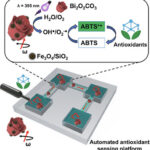
High-throughput Photoactive Magnetic Microrobots for Food Quality Control
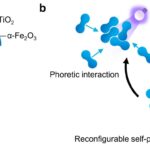
Reconfigurable self-assembly of photocatalytic magnetic microrobots for water purification